

Why Your Diet Needs a Monsoon Makeover
According to both traditional wisdom and modern health advice, the monsoon season, or 'Varsha Ritu' in Ayurveda, affects our digestive capabilities. The damp, humid weather is believed to weaken the body's digestive fire, known as 'Agni'. This makes our system
more susceptible to issues like bloating, indigestion, and infections. Furthermore, the increased moisture in the environment creates a breeding ground for bacteria and fungi, heightening the risk of food and water contamination. Therefore, adapting your kitchen routine to include light, warm, and freshly cooked meals is one of the best ways to support your health and immunity during this time.
Foods to Embrace This Season
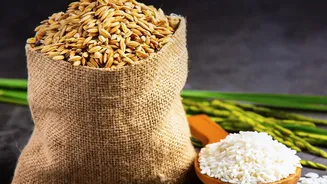
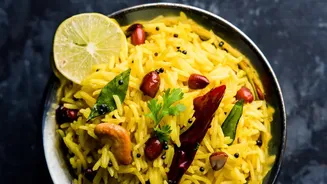
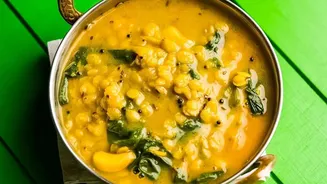
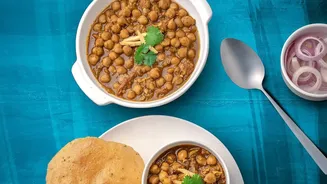
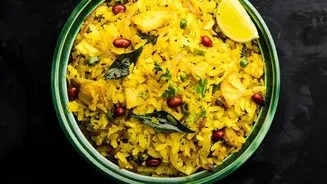
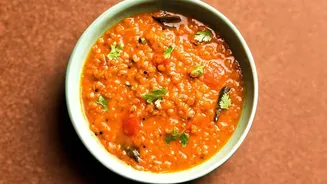
The ideal monsoon diet is built around foods that are easy to digest, nourishing, and warming. Opt for freshly prepared meals over leftovers. Simple, home-cooked dishes like khichdi, made from rice and moong dal, are considered perfect for the season because they are light yet satisfying. Warm vegetable soups, especially those seasoned with digestive spices, are excellent choices. Incorporate seasonal gourds like bottle gourd (lauki), bitter gourd (karela), and ridge gourd (tori) into your cooking, as they are easy on the stomach. Grains like barley, rice, and millets are also recommended. When it comes to fruits, opt for seasonal varieties like pomegranates, apples, pears, and jamun, ensuring they are washed thoroughly.
Spices and Herbs: Your Kitchen Allies
Spices are more than just flavour enhancers; they are powerful aids for digestion and immunity during the monsoon. Ginger, with its anti-inflammatory properties, is great for preventing colds and coughs. Turmeric is a natural antibiotic and immune booster. Other beneficial spices to include in your daily cooking are cumin (jeera), black pepper, asafoetida (hing), and coriander (dhania). Herbal teas made with ginger, tulsi (holy basil), or cinnamon can be both comforting and effective at keeping seasonal ailments at bay.
What to Reduce or Avoid
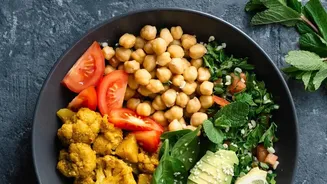
Certain foods can be harder to digest or pose a higher contamination risk during the monsoon. It's advisable to be cautious with leafy green vegetables like spinach and cabbage, as the damp folds can harbor dirt and germs. If you do consume them, wash them meticulously and cook them thoroughly. Raw foods, such as salads, should be limited as they can be difficult to digest and may carry pathogens. Street food, particularly items like pani puri and chaat that use unboiled water and raw chutneys, should be avoided due to the high risk of waterborne diseases. It is also a good practice to reduce the intake of heavy, deep-fried snacks, as they can overburden a sluggish digestive system. Seafood consumption is often discouraged as the monsoon is the breeding season for fish, and the freshness can be uncertain.
The Comfort of Pakoras and Samosas
The craving for hot, crispy pakoras, samosas, and bhajiyas is almost synonymous with rainy days in India. While these deep-fried snacks are a beloved part of the monsoon experience, moderation is key. Relying on them daily can lead to indigestion and sluggishness. Instead of buying from street vendors where hygiene and oil quality may be a concern, consider preparing these treats at home. This allows you to control the ingredients and ensure they are served fresh and hot. For a healthier twist, you can try baking or air-frying your pakoras to reduce the oil content significantly.
Hydration and General Hygiene
Staying hydrated is crucial, but the source of your water matters more than ever during the monsoon. To avoid contamination, always drink boiled or purified water. Sipping on warm water throughout the day can aid digestion. Beyond diet, practicing good hygiene is fundamental. Wash all fruits and vegetables thoroughly, especially if you plan to eat them raw. Keep kitchen surfaces and utensils clean to prevent cross-contamination. Simple habits like washing your hands before every meal can make a significant difference in preventing foodborne illnesses.