

Rediscovering India's Nutritional Heritage
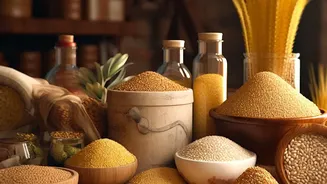
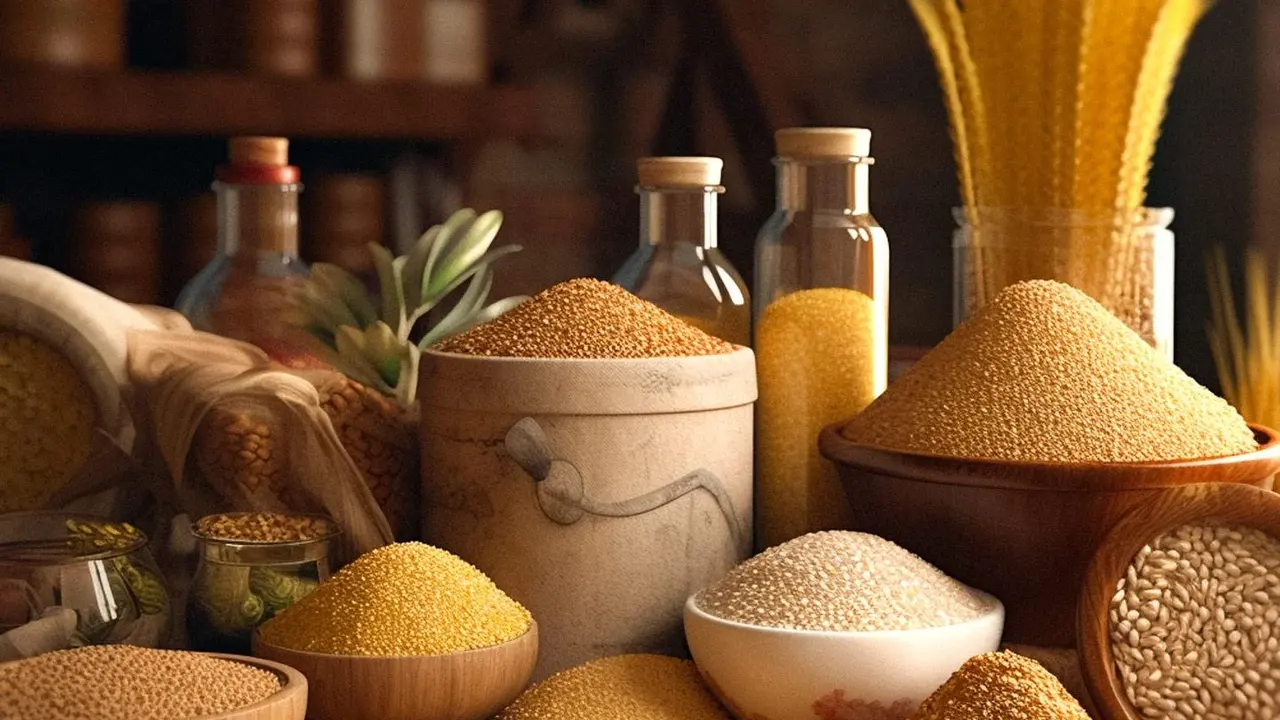
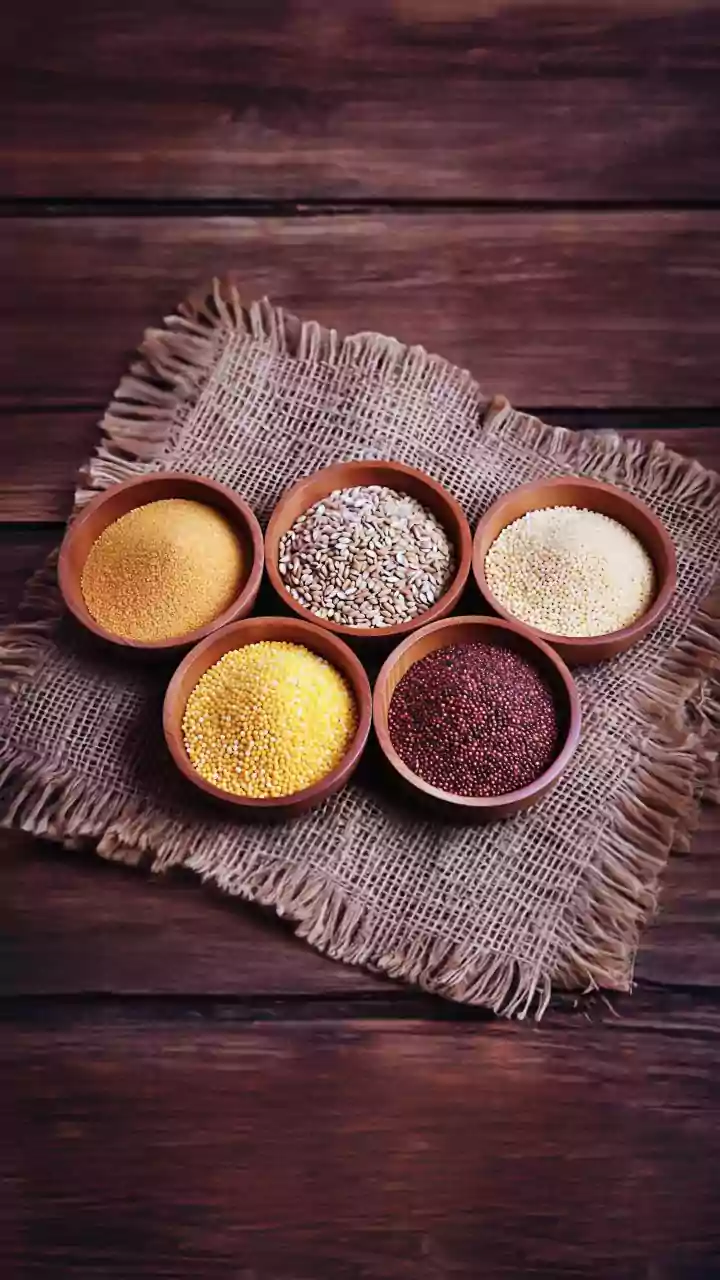
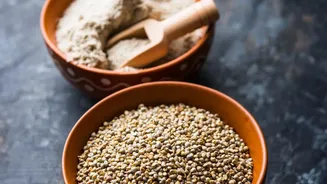
Ancient grains are varieties that have remained largely unchanged for centuries. In India, this category is dominated by a diverse family of millets like jowar (sorghum), bajra (pearl millet), and ragi (finger millet), alongside others like amaranth (rajgira)
and buckwheat (kuttu). Once staples in traditional diets, these grains are making a comeback in modern kitchens. Unlike highly processed grains, they are typically consumed in their whole form, retaining their nutrient-rich bran and germ. This means they deliver a complete package of dietary fibre, B vitamins, and essential minerals like iron and magnesium.
More Than Just Variety: The Benefits
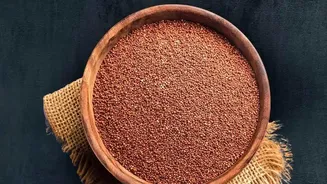
Switching to ancient grains is about more than just a change of pace; it's a nutritional upgrade. Millets are packed with fibre, which aids digestion and promotes a feeling of fullness. Many ancient grains are naturally gluten-free, making them excellent choices for those with sensitivities. Bajra is a powerhouse of iron, while jowar is lighter in calories. Ragi is famously rich in calcium. Grains like amaranth and quinoa are considered complete proteins, containing all essential amino acids. This nutrient density supports overall health, helping to regulate blood sugar levels and providing sustained energy.
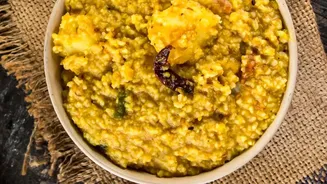
A New Take on Khichdi
Khichdi, the ultimate comfort food, is wonderfully adaptable. To incorporate ancient grains, you can replace rice entirely or use a mix. Foxtail millet, known as 'thinai' or 'korra', is a popular choice for khichdi. It cooks relatively quickly and results in a creamy texture similar to rice. Simply rinse the millet, soak it for about 30 minutes, and cook it with moong dal and your favourite vegetables and spices. For a heartier, more rustic version, try using buckwheat or a mix of quinoa and buckwheat. When using quinoa, remember that it has a distinct 'pop' and stays more separate than rice, so you might want to use a little extra water for a softer consistency.
Reimagining the Classic Upma
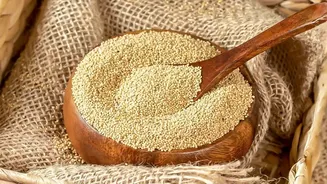
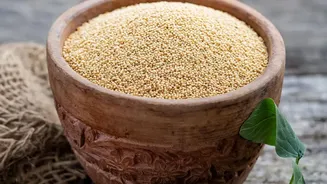
Upma can be transformed with the use of different grains. Instead of sooji (semolina), try using foxtail millet or kodo millet for a fluffy, vegetable-laden breakfast. The process is similar: temper your spices, sauté onions and vegetables, add water, and then stir in the soaked and drained millet. Quinoa also makes an excellent upma, offering a higher protein start to your day. Its nutty flavour pairs beautifully with the traditional tempering of mustard seeds, curry leaves, and dal. Amaranth, though less common, can also be used; it cooks into a creamier, more porridge-like consistency which can be a delightful change.
Wholesome and Hearty Porridge
Moving beyond oats, Indian ancient grains offer incredible options for both sweet and savoury porridge. Ragi malt is a timeless classic, made by cooking ragi flour with water or milk and sweetening it with jaggery. Amaranth porridge has a creamy texture and a nutty taste, cooking in about 20-25 minutes. It can be simmered with water or milk and spices like cinnamon and cardamom for a warm, comforting breakfast. For a savoury option, jowar porridge is an excellent choice. Cook cracked jowar or jowar flour with water and salt, and you can add buttermilk and a simple tempering for a traditional and cooling meal.
Tips for Perfect Results
Cooking with ancient grains is simple, but a few tips can ensure success. Soaking is key for most millets; it softens the grain, reduces cooking time, and helps in better nutrient absorption. A 30-minute soak is good, but several hours or overnight is even better for some varieties. Rinsing grains like quinoa is crucial to remove saponins, a natural coating that can taste bitter. As a general rule, you might need slightly more water than you would for white rice. Don't be afraid to experiment with combinations—mixing a little bajra or jowar flour into your regular chapati atta is an easy way to start.