







Start Clean and Completely Dry
The first rule of fresh storage is to never put away dirty or even slightly damp clothes. Invisible body oils, sweat, and dirt left on fabrics can develop unpleasant odors over time and attract pests. Even a small amount of moisture is a primary cause
of musty smells, as it creates the perfect breeding ground for mildew in dark, enclosed spaces. Before storing any garment, ensure it is thoroughly washed and, most importantly, completely bone dry. Pay extra attention to thicker items like sweaters and towels, which can retain moisture deep within their fibres.
Embrace the Power of Fresh Air
As the headline suggests, fresh air is your greatest ally. Good air circulation is essential for preventing the stale smells that develop in stagnant environments. Before packing anything away, consider airing the clothes out for a few hours, even if they are clean. You can hang them on a line in a shaded outdoor spot or in a well-ventilated room. This simple step allows any lingering moisture to escape and gives the fabric a chance to breathe. Furthermore, avoid overstuffing closets or storage containers, as tightly packed items restrict airflow and trap humidity.
Choose Breathable Storage Solutions
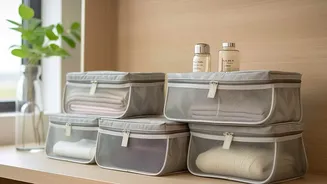
The container you choose can make all the difference. While airtight plastic bins might seem like a good idea to keep pests out, they can also trap moisture, leading to musty odors. For most situations, breathable storage options are superior. Consider using organic cotton garment bags, canvas bins, or acid-free cardboard boxes. These materials allow air to circulate, which is crucial for preventing mold and mildew. If you must use plastic bins, perhaps for a damp area like a basement, look for ones with good seals to keep external moisture out, but be absolutely certain the clothes inside are dry. Avoid using plastic dry-cleaning bags for long-term storage, as they are notorious for trapping humidity.
The Right Location Matters
Where you store your clothes is just as important as what you store them in. The ideal storage location is cool, dry, dark, and well-ventilated. Attics, which can get extremely hot, and damp basements or garages are generally poor choices for long-term clothing storage. High humidity is the enemy of fresh-smelling clothes. If you live in a humid climate, using a dehumidifier in the storage area can be a game-changer. At a minimum, placing a moisture absorber like silica gel packets or an open box of baking soda in the storage area can help control ambient moisture.
Use Natural Odor Absorbers
Instead of masking smells with artificial fragrances, use natural materials that absorb moisture and provide a subtle, pleasant scent. Cedar blocks or balls are a classic choice; they repel moths and absorb excess moisture while imparting a fresh scent. Sachets filled with dried lavender not only smell wonderful but also help deter pests. Activated charcoal is another excellent option for absorbing moisture and odours without adding a scent of its own. You can also place an open jar of coffee grounds or a box of baking soda in the storage area to neutralize smells.
A Little Maintenance Goes a Long Way
For items stored for very long periods, it is wise to perform a periodic check-in. Every few months, if possible, take the clothes out of their containers to shake them out and let them air for a little while. This simple act of rotation prevents stale air from settling into the fibres and allows you to catch any potential issues early. When you do this, you can also refresh any natural deodorizers, like cedar blocks or lavender sachets, to ensure they remain effective.