





The Science of the 'Sneaky' Calorie Burn
The magic behind the standing desk's benefits is a concept called Non-Exercise Activity Thermogenesis, or NEAT. It sounds complex, but it's simply the energy we use for everything we do that isn't formal exercise, eating, or sleeping. This includes fidgeting,
walking to the pantry, doing chores, and, importantly, standing. While a 30-minute gym session is classified as Exercise Activity Thermogenesis (EAT), NEAT is the sum of all the small movements we make throughout the day. The cumulative effect of these minor movements can be substantial and can vary greatly between individuals, accounting for a significant portion of daily energy expenditure.
Standing vs. Sitting: The Calorie Math
So, what's the actual difference? On average, standing burns more calories than sitting, though the exact amount varies based on factors like weight, age, and muscle mass. Studies and health institutions provide a range, but a common estimate is that standing burns about 0.15 extra calories per minute compared to sitting. This translates to roughly 8-10 more calories per hour. While some sources suggest a higher burn of 20 to 50 extra calories per hour, even the conservative estimates add up. If you substitute six hours of sitting with standing, you could burn an additional 54 calories a day, which could lead to a loss of over 5 pounds in a year, assuming other factors remain equal. It's not a replacement for a workout, but it's a meaningful, low-effort increase in your daily energy output.
But Won't I Get Tired?
This is the most common concern, and it's a valid one. The key claim is that you can get these benefits without extra fatigue. Research shows that prolonged, static standing can indeed lead to discomfort, fatigue, and pain in the lower back and legs. However, the solution isn't to stand rigidly for eight hours. The trick is to alternate between sitting and standing. Studies indicate that sit-stand desks can actually reduce overall fatigue and discomfort when used correctly. By changing positions, you prevent the physical stress from accumulating in one area. This dynamic approach not only avoids fatigue but can also improve mood and energy levels.
How to Stand the Right Way
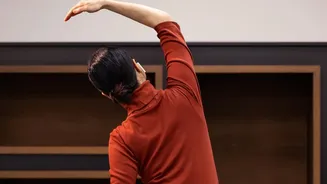
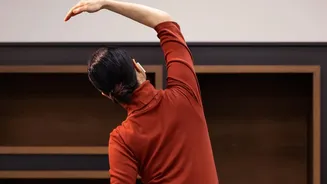
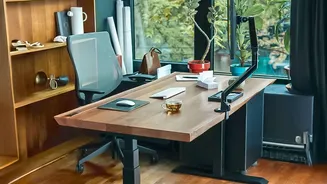
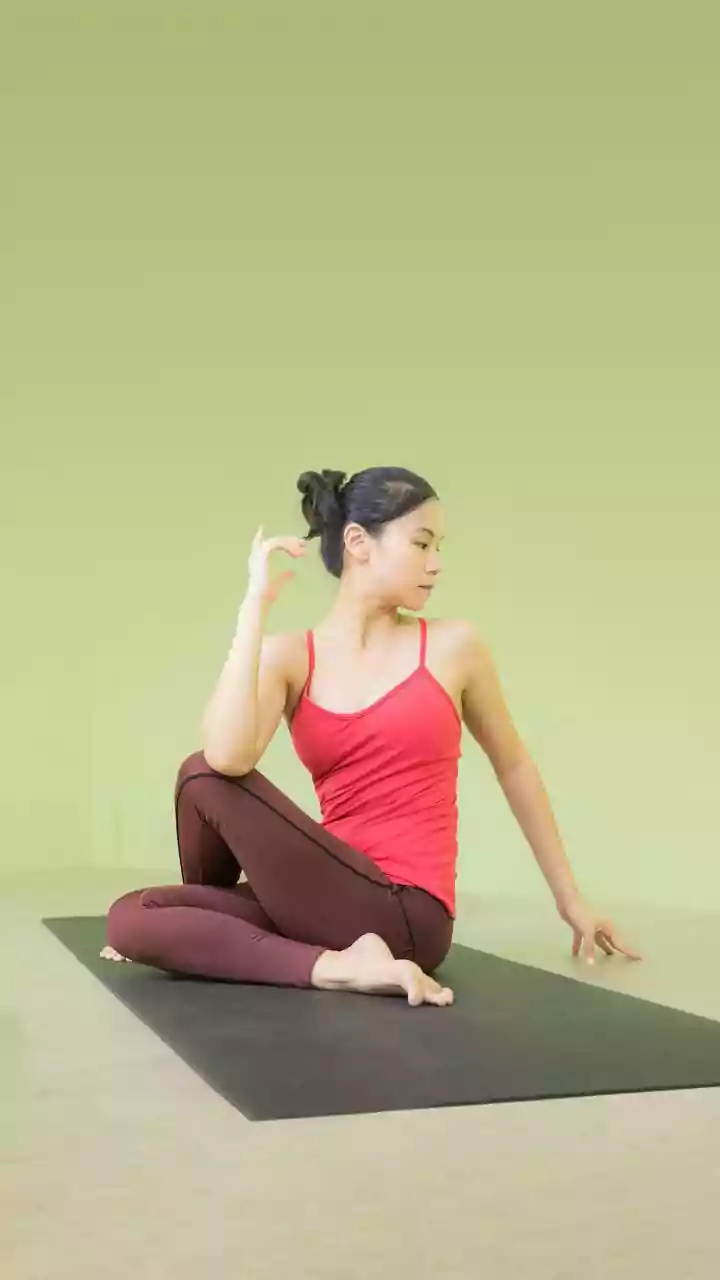
To reap the rewards without the aches, proper technique is essential. First, don't go from sitting all day to standing all day. Ease into it by starting with 30- to 60-minute standing sessions and gradually increasing the duration as your body adapts. The goal should be to create a rhythm, perhaps standing for 30 minutes every hour. Second, focus on your posture. Keep your head up, shoulders back, and balance your weight evenly. Make sure your desk is at the right height—your arms should rest on the desk at a 90-degree angle. Finally, movement is key. Don't just stand like a statue. Shift your weight, stretch your legs, or take short walking breaks to keep your blood flowing and muscles engaged.