




Why Your Hips Get Tight From Sitting
The modern workday often involves long stretches of sitting, which holds your body in a fixed position. When you're seated, your hip flexors, the muscles at the front of your hips, are kept in a shortened state. Over time, this can lead to tightness and
stiffness. Meanwhile, your gluteal muscles, which are supposed to support your pelvis and power your movements, become less active and can weaken. This combination of tight flexors and 'sleepy' glutes creates a muscle imbalance that can pull on your lower back, alter your posture, and reduce your overall mobility, making everyday activities feel more strenuous. Studies have even shown a direct association between prolonged sitting and a reduced range of motion in the hips. The good news is that gentle, targeted movements can help awaken these muscles and restore balance.
The Gentle Bridge
The glute bridge is a fantastic exercise for activating the gluteal muscles that often become inactive during long periods of sitting. Strengthening them helps support your lower back and hips. To perform it, lie on your back with your knees bent, feet flat on the floor about hip-width apart, and your arms by your sides. Keeping your back straight, press through your heels to lift your hips off the floor until your body forms a straight line from your shoulders to your knees. Squeeze your glutes at the top of the movement. Hold this position for a few seconds before slowly lowering your hips back down. Aim for 10-15 repetitions. This movement not only strengthens your glutes and hamstrings but also provides a gentle stretch for the hip flexors.
Kneeling Hip Flexor Stretch
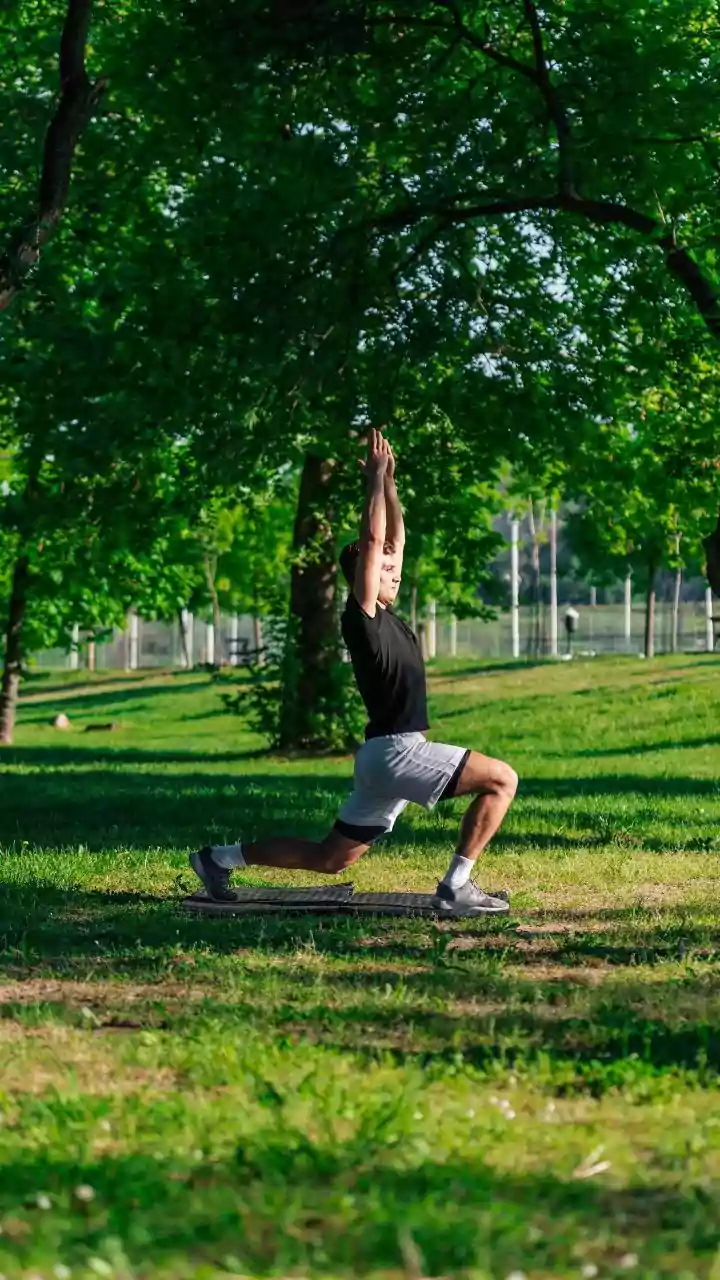
This stretch directly targets the hip flexors that become tight from sitting all day. Start in a kneeling position on a soft surface. Step one foot forward so your front knee is bent at a 90-degree angle and your foot is flat on the floor. Your back knee should remain on the floor. Keeping your back straight, gently shift your weight forward into your front leg until you feel a comfortable stretch in the front of the hip of your back leg. Avoid arching your lower back; the movement should come from the hips. Hold the stretch for 30 to 60 seconds, breathing deeply. Then, switch sides and repeat. For extra support, you can place your hands on your front knee.
Seated Figure-Four Stretch
You can do this stretch without even leaving your chair, making it perfect for a quick work break. It targets the outer hip and glute muscles, including the piriformis, which can contribute to discomfort when tight. While sitting upright in your chair, cross one ankle over your opposite knee, creating a 'figure four' shape with your legs. Keeping your spine straight, gently lean forward at your hips until you feel a stretch in the glute and hip of the leg that is crossed. To deepen the stretch, you can apply gentle pressure to your bent knee. Hold for 30 to 60 seconds, then repeat on the other side. This is an effective way to open up the hips and relieve tension built up from sitting.
90/90 Hip Rotations
This mobility drill is excellent for improving both internal and external rotation of the hips, which is crucial for fluid movement. Sit on the floor with both knees bent at 90-degree angles. Your front shin should be parallel to the front of your body, and your back shin should be parallel to the side. Keeping your chest upright, gently try to lower both knees toward the floor. Then, lift your knees and rotate them to the other side, so the opposite leg is now in front. Move slowly and with control, focusing on the rotation within the hip joints. Perform 8-10 repetitions per side. This helps lubricate the hip joint and improves its overall function.
Making Movement a Daily Habit
The key to combating the effects of a desk job is consistency. Incorporating these gentle exercises into your daily routine can make a significant difference. You don't need to do a long workout; even a few minutes of stretching every hour can help. Set a timer to remind yourself to stand up, walk around, and perform one or two of these movements. Listening to your body is crucial; these exercises should feel like a gentle release, not a strain. Over time, this habit of regular movement will not only improve your hip mobility but also contribute to better posture, reduced back pain, and overall well-being.