

Understanding the 'Why'
Before diving into the 'how,' it’s useful to know why limiting plastic contact matters. Many plastic products contain chemicals like bisphenol A (BPA) and phthalates, which are known endocrine disruptors. These substances can potentially leach from containers
into our food, especially when heated or if the food is fatty or acidic. While research into the long-term health effects is ongoing, concerns have been raised about their impact on hormones and development. Reducing exposure is a proactive step towards a healthier lifestyle. The goal isn't immediate perfection but gradual reduction, starting with the most common sources of contact in your kitchen.
Rethink Your Food Storage
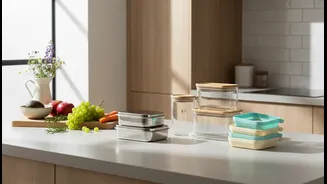
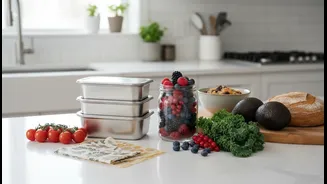
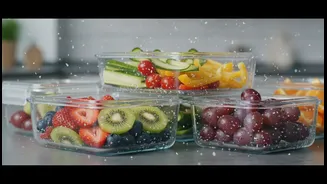
The easiest place to start is with food storage containers. Instead of plastic boxes that can degrade or leach chemicals over time, consider switching to inert materials. Glass containers are a fantastic alternative; they are nonporous, meaning they won't absorb food odours or flavours, and most are safe for the microwave, freezer, and dishwasher. High-quality stainless steel is another excellent, durable option, particularly popular in India with traditional 'dabbas' and tiffin boxes. For wrapping sandwiches or covering bowls, reusable beeswax wraps or silicone lids are effective replacements for single-use plastic cling film.
Upgrade Your Cooking Tools
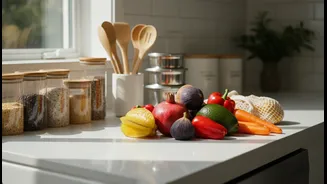
Look at the tools you use for cooking every day. Many plastic spatulas, spoons, and turners can shed microplastics when they come into contact with hot pans. This is especially true if they are old or scratched. Simple swaps make a big difference here. Opt for utensils made from wood, bamboo, or stainless steel. These materials are sturdy, long-lasting, and don't pose the same risks when heated. Indian brands are also reviving traditional materials, offering everything from neem wood rolling pins to coconut shell ladles, which are both functional and sustainable.
Scrutinise Your Cookware
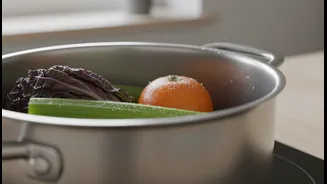
Many non-stick pans are coated with per- and polyfluoroalkyl substances (PFAS), often referred to as 'forever chemicals'. When these coatings get scratched or are overheated, they can release particles and fumes. Thankfully, there are many safe and effective alternatives. Well-seasoned cast iron is a time-tested favourite in many Indian kitchens, providing a naturally non-stick surface. Stainless steel pans are versatile and durable for all kinds of cooking, from curries to sautés. Carbon steel and high-quality ceramic-coated pans are also excellent choices that avoid the chemical coatings of traditional non-stick cookware.
Look for Hidden Plastics in Food
Limiting plastic contact extends beyond just containers and tools; it's also in the food products we buy. Many canned goods, for instance, are lined with an epoxy resin that may contain BPA to prevent the food from reacting with the metal. Opting for foods packaged in glass jars or cartons can help reduce this exposure. Other surprising sources include plastic-based tea bags, which can release microplastics into hot water, and black plastic takeaway containers, which are sometimes made from recycled electronics containing flame retardants. Choosing loose-leaf tea and avoiding heating food in black plastic are easy adjustments to make.
Shop Smarter to Reduce Packaging
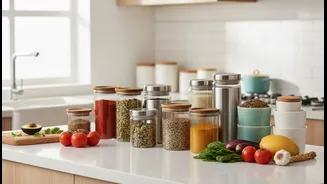
A significant amount of kitchen plastic comes from food packaging. Adopting a few smart shopping habits can drastically cut down on this waste. Bring your own cloth bags for buying loose fruits and vegetables instead of using the thin plastic bags provided at the store. Whenever possible, choose products with minimal or plastic-free packaging. Buying staples like grains, lentils, and spices from bulk bins allows you to refill your own containers, cutting out packaging altogether. This shift in shopping not only reduces plastic in your home but also sends a message to manufacturers that consumers prefer sustainable options.