







Understanding the New PUC System
The Ministry of Road Transport and Highways has amended the Central Motor Vehicles Rules to introduce a uniform format for the Pollution Under Control (PUC) certificate issued across the country. The most important feature of this new certificate is the inclusion
of a QR code. This change is part of a larger governmental push towards digitising services and creating a more integrated national transport database. The objective is to bring consistency to the PUC certification process, which previously varied in format and detail from one state to another. By standardising the certificate, the government aims to create a single, verifiable document that is easy for both vehicle owners and enforcement agencies to understand and use. This uniformity is the first step towards building a more robust and transparent system for monitoring vehicular emissions nationwide.
How the QR Code Works for You
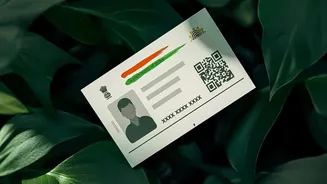
For vehicle owners, the process of obtaining a PUC certificate remains largely the same. You still need to take your vehicle to an authorised emission testing centre periodically. After the test, you will be issued the new, standardised certificate. The key difference is the QR code printed on it. This code is not just a random pattern; it contains a wealth of information linked directly to your vehicle and its emission status. When scanned, the QR code reveals critical details such as your vehicle’s registration number, the owner’s name and mobile number, engine and chassis numbers, and the date of the test. Most importantly, it displays the emission readings and declares the vehicle as pass or fail. This digital snapshot ensures that the information on the certificate is authentic and has not been tampered with.
Smarter Enforcement, Less Fraud
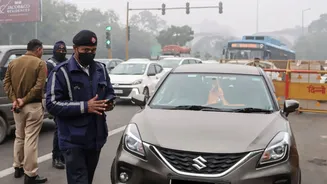
The primary driver behind this initiative is to combat the widespread issue of fake and manually altered PUC certificates. Previously, it was difficult for traffic police and transport officials to quickly verify the authenticity of a paper certificate during a roadside check. The new system changes that entirely. Enforcement personnel can now use a simple scanner or a dedicated mobile application to read the QR code. This action instantly cross-references the certificate’s data with the National Register of Vehicles through the Vahan portal. Any discrepancy between the printed certificate and the official database is immediately flagged. This makes it nearly impossible for drivers to use counterfeit or invalid documents, ensuring that only vehicles that have genuinely passed the emission test are on the road. This digital verification process is faster, more reliable, and significantly more effective than manual checks.
The Bigger Picture: Cleaner Air
This regulatory update is not just an administrative change; it is a crucial tool in India's ongoing battle against air pollution. Vehicular emissions are a major contributor to the poor air quality in many Indian cities. By ensuring that every vehicle strictly adheres to emission norms, the government hopes to make a tangible impact on public health and the environment. A reliable PUC system is fundamental to this effort. By eliminating fraud and ensuring compliance, the QR-enabled certificates help authorities accurately identify and penalise polluting vehicles. This creates a stronger deterrent against neglecting vehicle maintenance and encourages owners to keep their engines in good health, ultimately contributing to cleaner air for everyone. The rule ensures that the PUC system is no longer a mere formality but a meaningful environmental regulation.
Penalties for Non-Compliance
It is important for vehicle owners to remember that carrying a valid PUC certificate is mandatory under the Motor Vehicles Act. Failure to produce a valid certificate upon request can lead to significant penalties. With the introduction of the QR code system, enforcement has become more stringent and harder to evade. If the certificate has expired or if the vehicle fails the emission test, owners are required to get their vehicle repaired and re-tested within a stipulated time frame. Ignoring these regulations can result in fines and, in some cases, even suspension of the vehicle’s registration certificate. Therefore, ensuring your vehicle's emissions are in check and your PUC certificate is always up-to-date is more critical than ever.