
Plan Your Menu Wisely
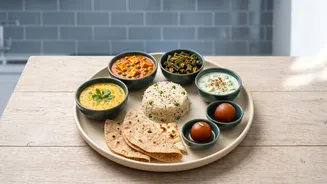
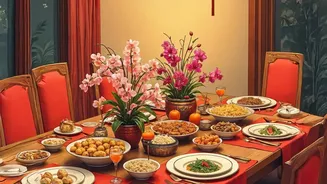
The first step to a stress-free festival meal is planning. A few weeks in advance, confirm your guest list to get an accurate headcount. Once you know how many people you're cooking for, plan your menu. Aim for a balanced spread with a mix of dry and
gravy-based dishes, and consider any dietary preferences. Having a detailed plan helps you create a precise shopping list, which is your best tool against over-buying and impulse purchases at the market. A well-thought-out menu ensures you only buy what you truly need.
Master the Art of Portion Control
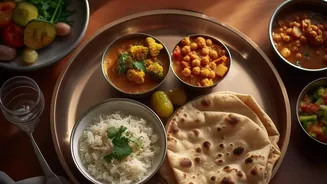
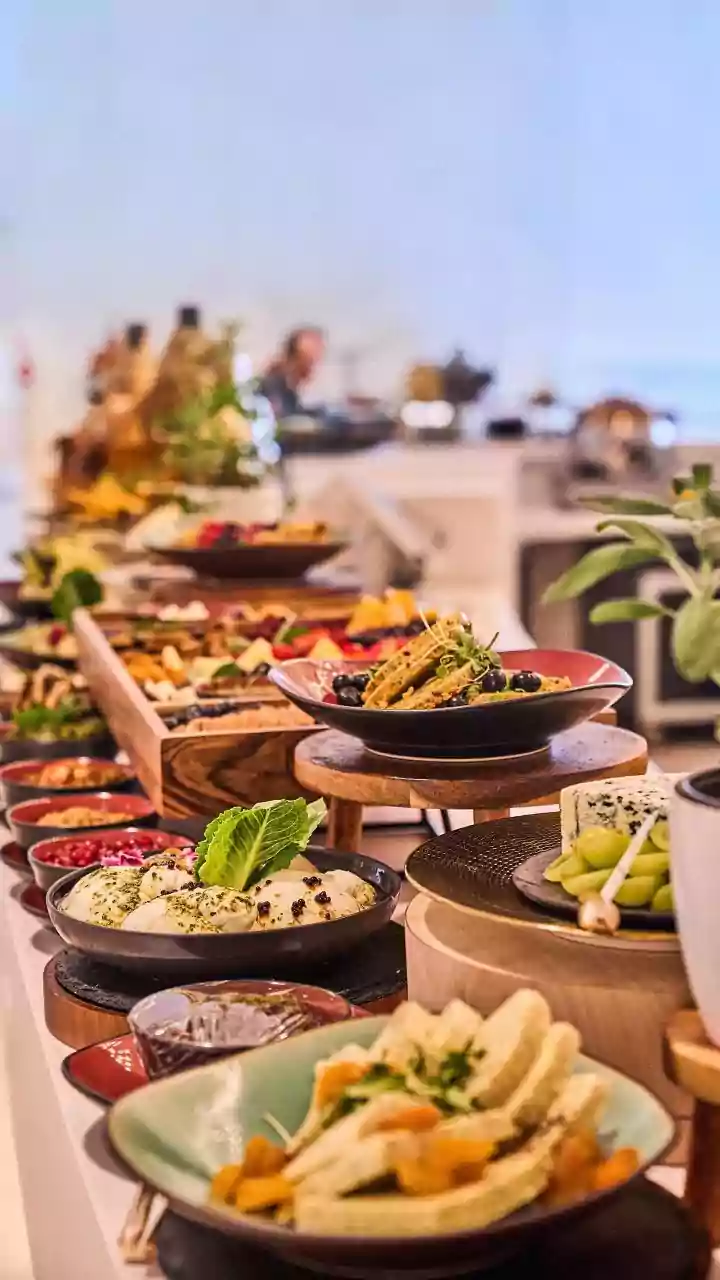
It’s easy to overestimate how much food you need. For main dishes like meat, chicken, or fish, a good rule of thumb is to plan for about 150-200 grams per person. For vegetarian mains and starchy sides like rice or potatoes, about 100-150 grams per person is usually sufficient. When it comes to serving, consider a buffet-style setup, which allows guests to choose their own portions and reduces plate waste. Using smaller serving spoons can also gently encourage guests to take less on their first round, knowing they can always come back for more.
Prep Ahead to Save Time
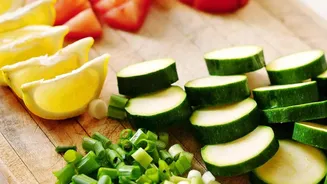
The secret to a calm cooking day is doing as much as possible in advance. Many Indian gravy bases can be prepared ahead of time and stored in the refrigerator or freezer. You can make onion-tomato masalas, ginger-garlic paste, and even chop vegetables a day or two before the main event. This not only saves you hours on the festival day but also breaks down a mammoth task into manageable steps, letting you enjoy the celebration with your guests instead of being stuck in the kitchen.
Get Creative with Leftovers
Even with perfect planning, leftovers happen. Instead of seeing them as a burden, view them as an opportunity for new meals. Leftover rice can be transformed into delicious fried rice or mixed with curd and spices to make dough for a crispy roti. Curries and dry vegetable dishes make excellent fillings for stuffed parathas, sandwiches, or even homemade samosas. Leftover dal can be used to knead soft, nutritious chapati dough. Thinking creatively not only prevents waste but also saves you from cooking the next day.
Store Food Safely and Smartly
Proper storage is crucial for keeping leftovers safe and appetising. Hot food should be cooled down and placed in the refrigerator within two hours of cooking to prevent bacterial growth. Store items in clear, airtight containers so you can easily see what you have. Label containers with the date to keep track of freshness. Most cooked leftovers can be safely kept in the fridge for 3-4 days or can be frozen for up to 3-4 months. If you have more food than you can manage, consider sharing it with neighbours or a local food donation service.