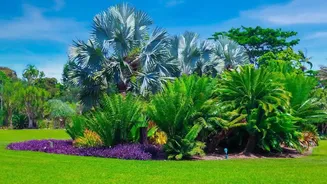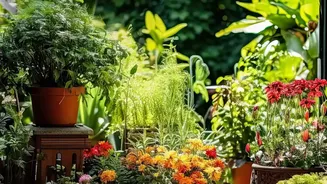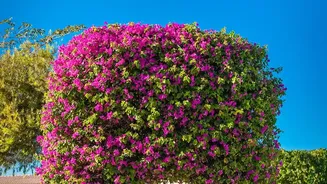



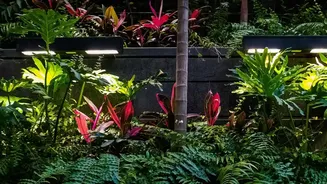
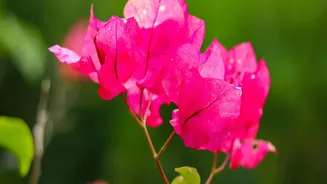
Dreaming of a holiday escape? You can capture that luxurious, serene feeling of a tropical resort right in your own garden. The secret lies in choosing the right plants—those with bold, dramatic foliage and exotic flowers that create an instant jungle
vibe.
Bird of Paradise (Strelitzia reginae)
Nothing says 'exotic' quite like the Bird of Paradise. Named for its stunning flowers that resemble a crane in flight, this plant offers both architectural beauty and a splash of vibrant colour. Its large, banana-like leaves provide a lush, green backdrop even when the plant isn't in bloom, making it a perfect focal point for a resort-style garden. It’s a relatively low-maintenance plant that thrives in India's warm climates. For the best results, plant it in a spot that receives plenty of bright sunlight and has well-draining soil. It works wonderfully in large containers on a patio or as a statement piece in a garden bed.
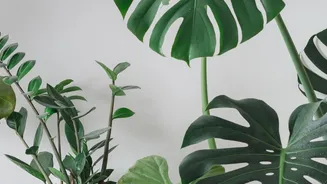
Monstera Deliciosa
Instantly recognisable for its large, glossy leaves with natural splits and holes, the Monstera Deliciosa, or Swiss Cheese Plant, is a must-have for a tropical aesthetic. This climbing vine brings a wild, jungle-like feel to any space it inhabits. As the plant matures, its leaves become larger and more dramatic, creating a stunning visual impact. It prefers bright, indirect light, as direct sun can scorch its leaves. Allow the top few inches of soil to dry out between waterings to prevent root rot, a common issue with this plant. Its popularity in modern Indian homes is a testament to its trendy look and forgiving nature.
Areca Palm (Dypsis lutescens)
For that classic, feathery tropical look, the Areca Palm is an unbeatable choice. Its elegant, arching fronds create a soft, airy atmosphere, reminiscent of a breezy seaside resort. Often called the Butterfly Palm, it grows in dense, bamboo-like clusters and is excellent at purifying the air. This palm thrives in bright, filtered sunlight; an east-facing balcony or a spot near a window is ideal in Indian conditions. While it loves humidity, it's crucial to avoid overwatering. Let the top layer of soil dry before watering again. It's a versatile plant that works well both indoors and in shaded outdoor areas.
Elephant Ear (Alocasia and Colocasia)
If you want to make a bold statement, look no further than Elephant Ear plants. Their gigantic, heart_shaped leaves are the epitome of tropical drama and can instantly make a garden feel lush and immersive. Varieties like Alocasia and Colocasia are prized for their impressive foliage, which can come in shades from deep green to almost black. These plants are perfect for filling in empty corners or creating a dense, layered look that is key to achieving a jungle aesthetic. They thrive in moist, rich soil and prefer a spot with partial shade, though some varieties can handle more sun. They are a fast way to get that big_leaf, rainforest feel.
Frangipani (Plumeria)
The sweet fragrance of Frangipani flowers is synonymous with tropical holidays. These small trees produce clusters of beautiful, waxy flowers in shades of white, yellow, pink, and red. Beyond their scent, their sculptural branches add an architectural element to the garden even during dormancy. Frangipani trees are surprisingly low_maintenance, thriving on a bit of neglect. They require at least six hours of direct sunlight to bloom well and need well_draining soil to prevent root rot. Water them regularly during the growing season but reduce watering significantly in winter. Planting one near a seating area ensures you can enjoy its delightful perfume on warm evenings.
Heliconia (Lobster Claw)
Also known as Lobster Claw or Parrot's Beak, Heliconia adds a fiery, exotic splash of colour with its unique, hanging bracts. The flowers come in vibrant shades of red, orange, and yellow, creating a spectacular display that immediately draws the eye. With foliage similar to banana plants, Heliconias contribute to the dense, layered look of a tropical garden. They flourish in sunny, warm, and humid conditions, making them well_suited for many parts of India. They need fertile, moist soil to perform their best, so be sure to water regularly, especially in hot weather, and use plenty of organic matter.