



The Great Protein Pivot
There’s a clear shift happening in the Indian diet, moving from a focus on calories to a greater awareness of nutrition, with protein at the forefront. This change is driven by a growing health consciousness, a rise in fitness culture, and an increasing
number of people adopting vegan or flexitarian lifestyles. As a result, many are looking for diverse, plant-based protein sources that go beyond the traditional. The Indian plant-based protein market is growing significantly faster than the global average, highlighting a major trend towards ingredients that support everything from muscle repair to overall wellness. This isn't about replacing classics, but rather expanding the culinary toolkit.
Beans and Legumes: Beyond the Usual Dal
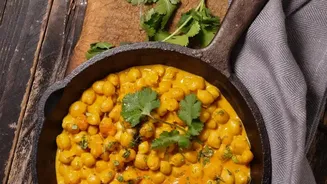
Lentils, or dal, are a cornerstone of Indian meals, but the exploration into legumes is now much broader. While staples like masoor and toor dal remain beloved, kidney beans (rajma), chickpeas (chana), and black-eyed peas (lobia) are being used in more innovative ways. Think beyond the standard rajma-chawal or chana masala. Chefs and home cooks are now using these protein-packed beans in robust salads, hearty patties, and even fusion dishes like bean-based tikka masala. Sprouting beans like moong is also gaining popularity, as it enhances nutrient absorption and digestibility, making them a fresh addition to salads and chaats. Even black beans, not traditionally a staple, are finding their place in Indian-spiced curries and rice bowls.
The Humble Pea's Powerful Comeback
Green peas (matar) have long been a familiar sight in dishes like mattar paneer and aloo matar. Technically a legume, not a vegetable, green peas are a significant source of protein. Today, their role is expanding. Dried yellow peas (vatana) are essential in popular street foods like ragda pattice and ghugni. Furthermore, the food industry is recognizing the power of pea protein. It is increasingly used as a base for protein powders and in other food products due to its clean-label appeal and allergen-free properties. This signals a move for peas from a simple add-in to a central, functional ingredient in modern vegetarian diets.
Nuts and Seeds Take Centre Stage
Once confined to garnishes or desserts, nuts and seeds are now being recognized for their substantial protein content and are becoming core components of main courses. Almonds, walnuts, and cashews are being used to create rich, creamy, and protein-heavy gravies, offering a healthy alternative to traditional cream-based sauces. Pumpkin, sunflower, sesame, and chia seeds are no longer just for crunch; they are being used as crusts for vegetarian cutlets, blended into smoothies, and mixed into batters for dosa and chilla to boost the protein count. For instance, just a quarter cup of mixed seeds can provide a significant protein boost, alongside healthy fats. Watermelon seeds (magaz) are another powerful, high-protein ingredient finding its way into both traditional and modern recipes.
A Plate of Modern Indian Cuisine
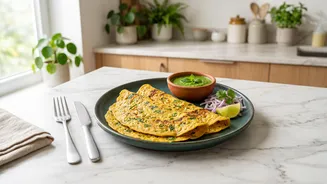
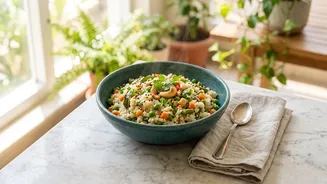
So what does this look like on a modern Indian vegetarian plate? Breakfast might be a besan or moong dal chilla fortified with flaxseeds. Lunch could be a quinoa salad with sprouted beans, roasted chickpeas, and a sprinkle of pumpkin seeds. Dinner could feature a creamy curry made with a cashew paste base, or perhaps patties made from a mix of black beans and spices. Even snacks are getting a protein makeover, with roasted chana, peanut salads, and sattu drinks becoming go-to options. This culinary evolution proves that a high-protein vegetarian diet in India doesn't require expensive supplements but can be achieved by creatively combining the wealth of pulses, nuts, and seeds already available.