




From Romance to Reality
For years, monsoon decor was about temporary fixes and fighting a losing battle against humidity. The smell of wet earth was often overpowered by the musty odour of damp upholstery and the sight of swollen wooden doors. Homeowners would roll up expensive
carpets and hide precious furniture, effectively putting their homes into a state of suspended animation for months. But now, a smarter approach is taking hold. The new era of monsoon decor is less about reacting to problems and more about preventing them with intelligent, year-round choices that are both stylish and incredibly practical.
Material Matters: The Foundation of a Dry Home
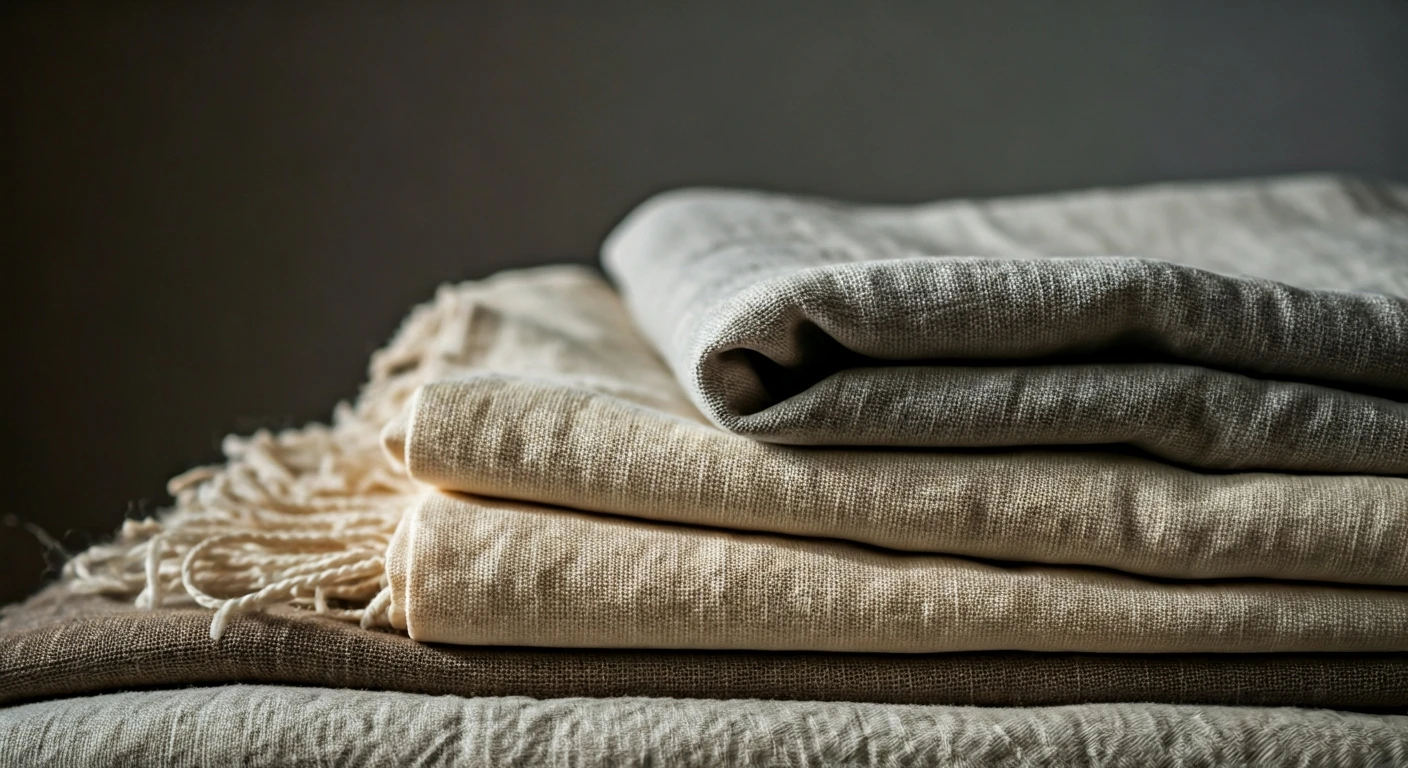
The single biggest shift is in the choice of materials. Homeowners and designers are moving away from materials that are vulnerable to India's humid climate. Solid woods like sheesham and acacia, known for their natural resistance to moisture, are preferred over engineered woods like MDF and particleboard which can swell and disintegrate. For upholstery, synthetic fabrics, leatherette, or tightly woven poly-cotton blends are gaining popularity over heavy fabrics that absorb and retain moisture. The goal is to create a home with furniture that doesn't need to be hidden away but is built to withstand the season. This includes metal furniture with anti-rust coatings and even high-quality plastic or resin pieces for balconies and outdoor areas.
Let It Breathe: The Importance of Airflow
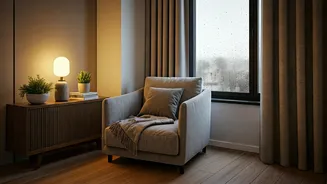
A stuffy, closed-off home is a breeding ground for mould and mildew. The practical approach emphasizes cross-ventilation as a key defence. This means swapping heavy, blackout curtains for lightweight, sheer, or cotton ones that allow both light and air to filter through, combating the gloom of overcast days. Furniture placement is also crucial. The simple act of keeping sofas and cupboards a few inches away from walls prevents moisture from getting trapped and allows air to circulate, protecting both your walls and your furniture. On dry days, opening windows and wardrobes to air them out is a simple, effective habit.
A Lighter, Brighter Approach
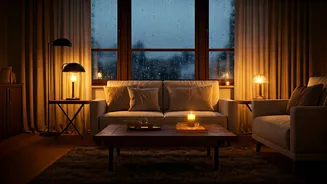
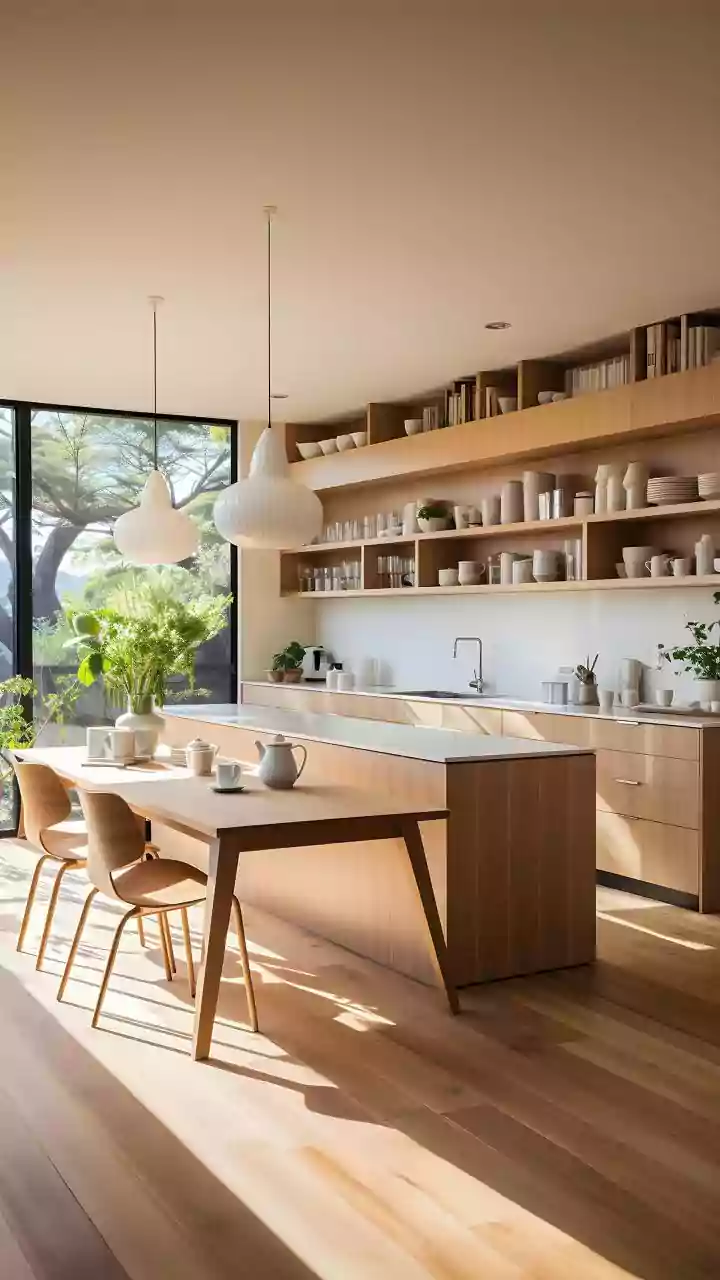
To counter the grey skies, interiors are getting a lighter and brighter treatment. Earthy and warm colour palettes, featuring terracotta, sage green, and mustard, are replacing cool greys to create a cosier, more inviting atmosphere. These colours also pair beautifully with natural materials like wood, cane, and jute, which are central to this practical trend. Heavy rugs and carpets, which can trap dampness and dirt, are being replaced with lighter, washable dhurries or simply left bare to show off the flooring. Strategic lighting, including warm-toned lamps, further helps to create a bright, cheerful space, making homes feel like a refuge from the rain.
The Finishing Touches: Scent and Greenery
Perhaps the most practical—and pleasant—trend is the focus on managing the home's scent. Instead of artificial air fresheners that merely mask odours, there's a move towards natural solutions. Scented candles, essential oil diffusers with fragrances like eucalyptus, citrus, or lavender, and even traditional incense help combat mustiness while purifying the air. Bowls of salt or coffee grounds can be used as natural dehumidifiers in small spaces. Finally, bringing the outdoors in with carefully chosen indoor plants is a key element. Humidity-loving plants like peace lilies and snake plants not only add a touch of green but also help improve air quality, completing the vision of a home that is fresh, healthy, and perfectly in tune with the season.