




The Morning Blood Sugar Rollercoaster
Many popular breakfast choices—like sugary cereals, white toast with jam, pastries, and even some fruit juices—are loaded with simple carbohydrates and added sugars. When you eat these foods on an empty stomach, your body digests them quickly, causing
a sharp rise in blood glucose levels. In response, your body releases insulin to manage the sugar, which often leads to a subsequent 'crash'. This cycle can leave you feeling tired, irritable, and craving more sugary snacks well before lunchtime. The body is also naturally more resistant to insulin in the morning due to hormonal changes, which can make this breakfast spike even more pronounced.
The Trio for Stable Energy: Protein, Fibre, and Fat
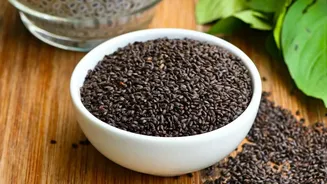
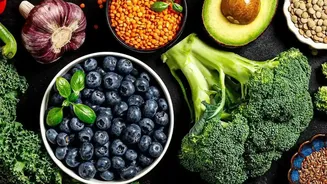
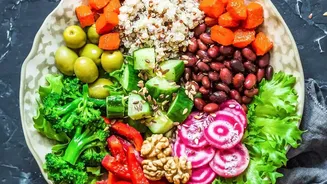
To get off the blood sugar rollercoaster, focus on building a breakfast around three key nutrients: protein, fibre, and healthy fats. Protein, found in eggs, Greek yoghurt, and nuts, slows down digestion and helps you feel full for longer. Fibre, present in whole grains, fruits, vegetables, and seeds like chia and flax, acts like a buffer, slowing the absorption of sugar into your bloodstream. Healthy fats, from sources like avocado, nuts, and seeds, also delay how quickly your stomach empties, contributing to a more gradual release of energy. A meal that combines these three components helps prevent sharp glucose spikes and provides sustained energy to carry you through to lunch.
Watch for Hidden Sugars
Added sugars are not just in obvious places like pastries and sweet coffee drinks. They often hide in foods marketed as healthy. Be wary of flavoured yoghurts, which can contain significant amounts of added sugar; opt for plain, unsweetened versions instead. Many breakfast cereals and granola bars, even those labelled 'whole grain', are packed with sweeteners like corn syrup, honey, or cane sugar. Packaged fruit juices, even those labelled '100% juice', lack the fibre of whole fruit and can cause a rapid sugar rush. Reading nutrition labels is key to identifying these sneaky sources and making more informed choices. Look for ingredients like sucrose, high-fructose corn syrup, and various syrups.
Quick and Easy Breakfast Swaps
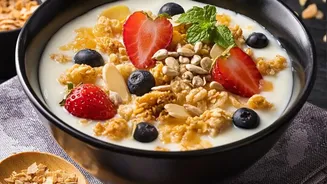
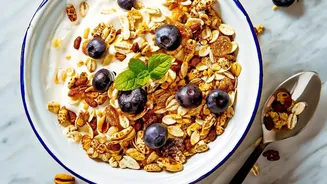
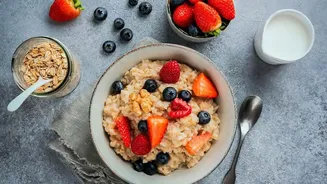
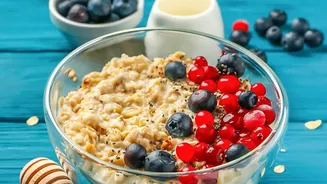
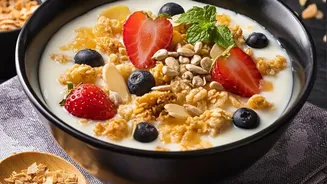
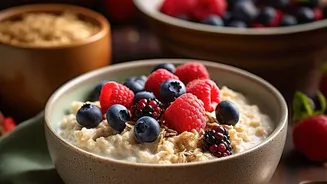
You don't need to spend an hour in the kitchen to make a balanced breakfast. Simple swaps can make a huge difference. Instead of a bowl of sugary cereal, try a bowl of plain Greek yoghurt topped with berries and a handful of nuts. Swap your white bread toast with jam for a slice of whole-grain toast topped with mashed avocado and a boiled or poached egg. If you enjoy oatmeal, choose rolled or steel-cut oats over instant varieties, and add a spoonful of nut butter or chia seeds for extra protein and fibre. A simple smoothie made with unsweetened milk, a scoop of protein powder, spinach, and a handful of berries is another quick option.
Traditional Indian Options, Reimagined
Many traditional Indian breakfasts can be easily adapted for better blood sugar balance. For instance, a moong dal chilla is a fantastic high-protein and low-glycemic option. When making poha or upma, you can increase the fibre and nutrient content by adding more vegetables and a handful of peanuts or seeds. Instead of pairing dishes like idli or dosa with sugary chutney, opt for a protein-rich sambar or a simple, unsweetened coconut chutney. Preparing besan chilla batter ahead of time can give you a quick, savoury, and protein-packed breakfast that takes just minutes to cook in the morning. Even a simple serving of plain curd with some chopped cucumber and tomato can be a refreshing and balancing start to the day.