

The Temperature 'Danger Zone'
The core of this issue lies in what food safety experts call the 'danger zone'. This is the temperature range between 40°F (about 4°C) and 140°F (about 60°C) where bacteria like Salmonella, E. coli, and Staphylococcus aureus multiply at an alarming rate.
In fact, their numbers can double in as little as 20 minutes within this range. When you partially cook food, you warm it up enough to enter this danger zone, effectively waking up any dormant bacteria. However, the cooking time is not long enough to kill them. Storing it at room temperature, or even cooling it too slowly before refrigeration, gives these pathogens a perfect opportunity to proliferate.
What Happens When You 'Par-Cook'?
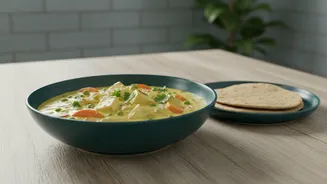
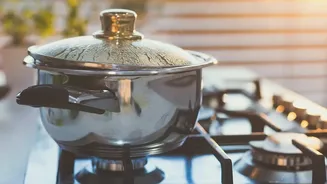
Par-cooking, or noncontinuous cooking, is the process of partially cooking food and then cooling it down to finish later. While a common technique in professional kitchens, it requires strict controls that are often missed at home. The initial heating might not be sufficient to eliminate all harmful bacteria. When this partially cooked food is then stored improperly—for example, a large, hot pot of curry left on the counter to cool—it spends hours in the danger zone. Improper cooling is one of the leading causes of foodborne illness. The warmth activates bacterial spores, and the slow cooling process provides the ideal breeding ground for them to grow to dangerous levels.
Common and Risky Mistakes
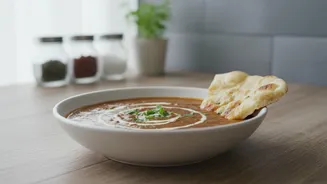
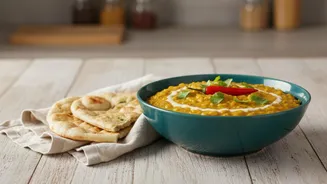
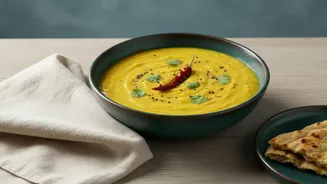
Many common kitchen habits fall into this trap. Searing chicken or browning mince meat with the intention of finishing the dish hours later is a prime example. Another is boiling potatoes or vegetables until they are half-done and leaving them aside. Even a large pot of daal or a thick stew that is refrigerated while still very hot can be a problem. A hot, large container can raise the overall temperature of your fridge, putting other foods at risk, and the centre of the food will cool too slowly, remaining in the danger zone for an extended period. Food should never be left at room temperature for more than two hours—or one hour if the temperature is high.
The Safe Way to Cook in Stages
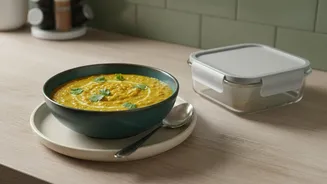
If you must cook in stages, the key is to move the food through the temperature danger zone as quickly as possible. According to safety guidelines, hot food must be cooled from 135°F (57°C) to 70°F (21°C) within two hours, and then down to 41°F (5°C) or below within the next four hours. To achieve this at home, you cannot simply place a large, hot pot in the fridge. Instead, divide large quantities of food into smaller, shallow containers to increase the surface area and promote faster cooling. You can also place the container in an ice-water bath and stir it to speed up the process. Once cooled, store it immediately in the refrigerator at or below 41°F (5°C). Ensure the partially cooked items are clearly marked and stored separately from ready-to-eat foods to prevent cross-contamination.
Finishing the Job: Reheating Safely
When you are ready to finish the meal, it is crucial to cook the food thoroughly. Reheat the partially cooked food to a safe minimum internal temperature to kill any bacteria that might have survived or grown. For most leftovers and par-cooked items, this means reaching an internal temperature of 165°F (74°C). Use a food thermometer to ensure it reaches this temperature throughout. This final, thorough cooking step is what makes the process safe. It's not a step to be rushed. This ensures that any potential risk developed during storage is eliminated before the food is served.