

The Problem with Pet Boredom
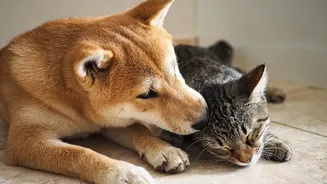
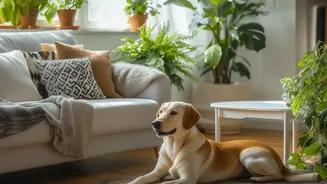
Pets, much like people, crave mental stimulation. When they lack opportunities to engage their minds and bodies, they can become bored, stressed, and even destructive. For dogs, this might manifest as chewing furniture, excessive barking, or pacing. Cats
might start scratching where they shouldn't, over-grooming, or becoming withdrawn. These aren't signs of a 'bad' pet, but often a cry for more engaging activities. Providing enrichment isn't just about preventing bad habits; it's essential for your pet’s emotional and physical health, helping to release endorphins that reduce stress and promote happiness.
The Simple Magic of Toy Rotation
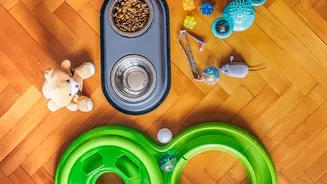
The solution isn't always buying more toys; it's about being smarter with the ones you have. The toy rotation method is simple: instead of leaving all toys out at once, which can be overwhelming and lead to 'toy fatigue', you provide a select few. A good rule of thumb is to rotate toys weekly. Pack away most of the toys and leave just a handful out. When you swap them the following week, the toys you bring back will feel new and exciting again. This not only keeps your pet mentally engaged but also extends the life of the toys themselves. Of course, if your pet has a special comfort toy they sleep with, that one can stay out permanently.
Engaging the Brain with Puzzles
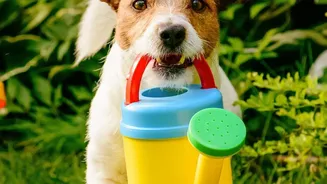
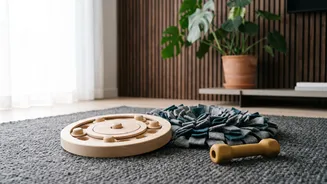
Mental work can be just as tiring for a pet as physical exercise. Puzzle toys are a fantastic way to challenge their minds. These can be store-bought gadgets or simple DIY creations. A muffin tin, with treats placed in the cups and covered by tennis balls, becomes a fun puzzle for a dog. For cats and dogs, a 'snuffle mat'—a mat with fabric strips where you can hide treats—encourages their natural foraging and sniffing instincts. You can even roll up treats in a towel or use an empty toilet paper roll with the ends folded in to create a cheap and engaging puzzle.
Activities That Stimulate the Senses
Enrichment goes beyond just toys. Think about engaging all of your pet’s senses. Scent games are a powerful tool, especially for dogs. Hide treats around a room and encourage your pet to 'find it', tapping into their natural desire to sniff and hunt. For cats, setting up a comfortable perch by a window can provide hours of entertainment, allowing them to watch birds and the world go by. This 'cat TV' engages their visual senses and predatory instincts in a safe, indoor environment. Even changing the layout of your furniture can provide a new landscape for your pet to explore and sniff.
Don't Forget Active Play
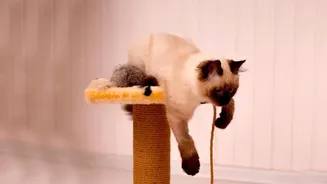
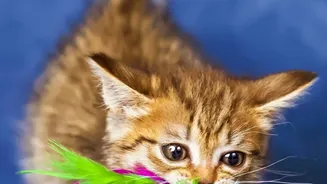
While mental stimulation is crucial, physical activity remains a pillar of a healthy pet's life. Even indoors, you can create opportunities for active fun. A simple game of fetch (with a soft toy to protect your belongings) or tug-of-war can burn energy and strengthen your bond. You can also build a simple indoor obstacle course using couch cushions, blankets, and chairs for your dog to navigate. For cats, interactive toys like feather wands that mimic the movement of prey are highly effective for encouraging short, intense bursts of play that satisfy their hunting instincts.