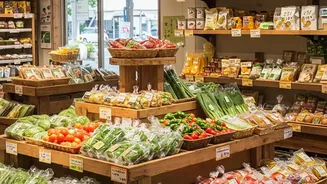





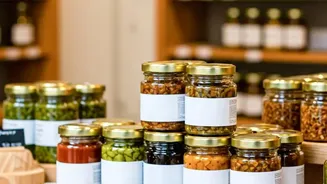

Standing in a supermarket aisle, it’s easy to feel overwhelmed by the logos and claims on food packages. Words like 'natural' and 'organic' are used freely, but what do they really mean? Let's decode the essential labels to shop smarter.
The 'Natural' vs 'Organic' Divide
The most common
point of confusion for shoppers is the difference between 'natural' and 'organic'. The term 'natural' is loosely regulated. According to the Food Safety and Standards Authority of India (FSSAI), it can be used for single-ingredient foods derived from a plant, animal, or mineral, as long as they haven't been processed in a way that significantly alters their original state. However, this doesn't say anything about the farming methods used, such as the use of chemical pesticides or fertilisers. In contrast, 'organic' is a strictly regulated and certified term. Organic food production in India follows rigorous standards that prohibit synthetic pesticides, GMOs, and artificial fertilisers, focusing on soil health and biodiversity. For a product to be sold as organic, it must undergo a stringent certification process.
Decoding Organic Certifications
When you see an 'organic' claim, look for official logos. The most important one is the 'Jaivik Bharat' logo, a green tick mark inside a leaf, which is FSSAI's unified identity for certified organic food sold in India. This logo is mandatory and confirms the product meets Indian organic standards. You might also see the 'India Organic' mark, which signifies certification under the National Programme for Organic Production (NPOP), a standard often used for exported goods. Another valid mark is 'PGS-India Organic,' from a community-based system for small farmers. A product can only use the Jaivik Bharat logo if it's certified under one of these schemes, and at least 95% of its ingredients are certified organic.
Essential Government Marks of Quality
Beyond organic, there are other crucial marks. The FSSAI logo, often accompanied by a 14-digit licence number, is mandatory on all pre-packaged food products. This mark doesn't certify quality, but it confirms the business is registered and compliant with basic food safety regulations. Another key certification is AGMARK, a quality mark for agricultural products like ghee, honey, spices, and oils. Issued by the Directorate of Marketing and Inspection, this hexagonal seal guarantees that the product has been tested and graded according to government-defined quality standards. While AGMARK is voluntary for many items, it's mandatory for certain products like blended edible oils and honey. It serves as a trusted third-party guarantee of purity and quality.
The Unmistakable Veg and Non-Veg Dots
A unique and mandatory feature of Indian food labelling is the vegetarian and non-vegetarian declaration. Every packaged food product must display a symbol indicating its status. A green dot inside a green square signifies a vegetarian product. A brown dot inside a brown square indicates the product is non-vegetarian, which under FSSAI rules includes any food containing animal-derived ingredients, including eggs. These simple, colour-coded symbols are incredibly helpful for consumers, providing instant clarity that cuts through marketing language and complex ingredient lists, allowing for quick and confident choices based on dietary preferences.
Reading Between the Lines
Many labels feature claims like 'farm-fresh' or 'pure'. Like 'natural', these are often marketing terms rather than verifiable certifications. FSSAI regulations state that 'pure' should only describe a single-ingredient food to which nothing has been added. If a brand uses a word like 'natural' or 'pure' in its name but the product doesn't meet the official definition, it must include a disclaimer stating that it's just a brand name and doesn't reflect the product's true nature. The key is to look past appealing words and search for the official certification logos. These marks are your most reliable guide to a product's true quality and production standards.