





The Diplomatic Handshake
The foundation for this new commercial frontier is built on key diplomatic and strategic agreements. The U.S.-India initiative on Critical and Emerging Technology (iCET) has been a primary driver, aiming to expand strategic technology partnerships in the
commercial space sector. This framework, launched in 2023, smooths the path for businesses, academics, and government agencies to collaborate more freely. Furthermore, India’s signing of the Artemis Accords, a U.S.-led framework for responsible space exploration, signals a strategic alignment with a global coalition. This move integrates India into future lunar missions and opens doors for its private sector to participate in the burgeoning lunar economy. These agreements aren't just paper—they are the launchpad for tangible commercial ventures, reducing barriers and building mutual trust.
A Partnership of Complementary Strengths
The collaboration is a classic case of a symbiotic relationship. The United States brings a mature and heavily capitalized private space industry, with giants like SpaceX and Blue Origin, alongside a vast ecosystem of established component suppliers and venture capital. It also provides access to the world's largest defense and space market, offering mentorship and funding opportunities for Indian firms. On the other side, India offers its world-renowned frugal innovation and engineering prowess, honed by the Indian Space Research Organisation (ISRO). This has fostered a rapidly growing startup ecosystem—soaring from just a handful to nearly 400 startups by 2026—eager to provide cost-effective solutions in launch vehicles, satellite manufacturing, and propulsion technologies. This combination of American capital and market access with Indian innovation and cost efficiency creates a powerful engine for growth.
The New Commercial Frontiers
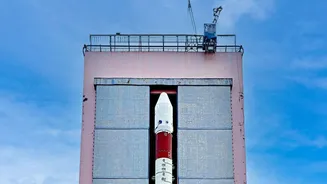
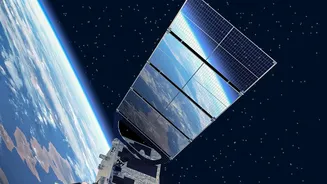
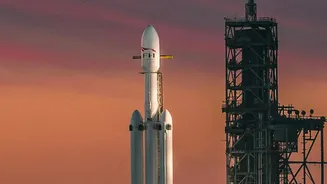
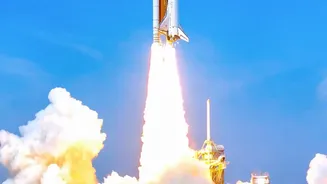
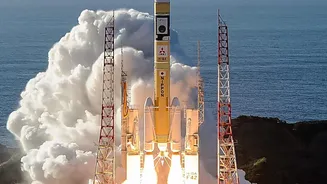
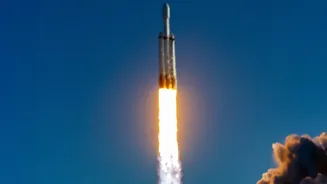
The opportunities unlocked by this partnership span several high-growth sectors. The most immediate is the small satellite launch market. Indian startups like Skyroot Aerospace and Agnikul Cosmos are developing next-generation small-lift rockets, which are ideal for deploying the satellite constellations that power modern communications and Earth observation. U.S. companies and international partners gain access to more frequent and affordable launch options. Beyond launches, there is immense potential in creating integrated supply chains. Indian firms can manufacture and supply high-quality, cost-effective components for American space systems. The collaboration also extends to data services, with joint missions like the NASA-ISRO Synthetic Aperture Radar (NISAR) satellite providing crucial data for climate monitoring, disaster management, and agriculture—data that private companies can then process and sell as value-added services.
Fueling India's Space Startups
For India’s burgeoning private space sector, the U.S. partnership is a game-changer. Policy reforms, such as the creation of the Indian National Space Promotion and Authorisation Centre (IN-SPACe), have already laid the domestic groundwork for private participation. The U.S. collaboration provides the crucial international validation and market access needed to scale. Initiatives like the India-U.S. Defense Acceleration Ecosystem (INDUS-X) have seen Indian startups selected for programs to work directly with the U.S. Department of Defense and major defense contractors. This not only opens doors to valuable contracts but also facilitates technology transfer and helps Indian companies align with global standards. Recently, Houston-based Axiom Space signed an MOU with India's Skyroot Aerospace to explore collaboration, a direct result of the growing ties. This access to capital, mentorship, and a global customer base is critical for turning promising startups into global players.