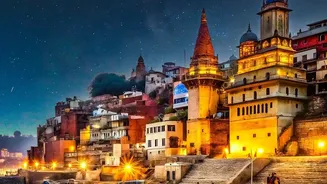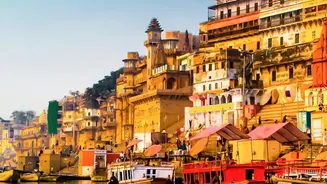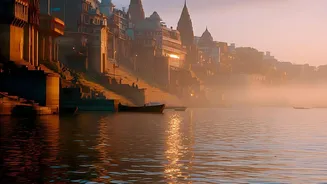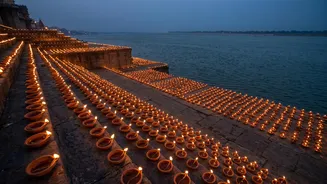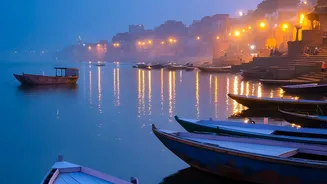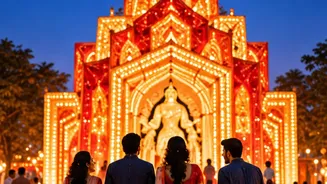






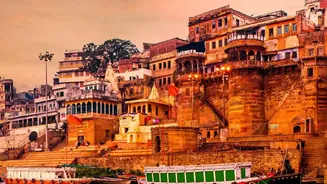
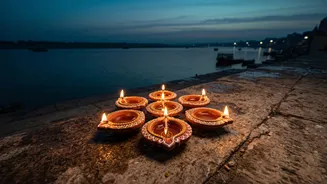
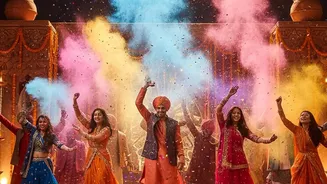
Each year on Kartik Purnima, the ancient ghats of Varanasi transform into a river of light, glittering with a million earthen lamps. This is Dev Deepawali, a spectacle so grand it is believed the gods themselves descend to witness it.
A Victory Party for the Heavens
The core belief behind
Dev Deepawali is rooted in a celestial battle and a divine victory. The festival, which takes place fifteen days after Diwali, commemorates the day Lord Shiva vanquished the powerful demon Tripurasura. According to mythology, Tripurasura, a trio of demon brothers, had gained immense power and built three impregnable cities of gold, silver, and iron. They terrorised the heavens and the earth, and the gods turned to Lord Shiva for help. On the full moon day of the Hindu month of Kartik, known as Kartik Purnima, Shiva destroyed the three cities with a single arrow, ending the demon's reign. To celebrate this triumph of good over evil, the gods are said to have descended to Varanasi, Shiva's earthly abode, and illuminated the city with lamps. This heavenly celebration is why the festival is called Dev Deepawali—literally, the 'Diwali of the Gods'.
A Divine Dip in the Holy Ganga
Varanasi, or Kashi, is central to this belief. It is considered the city of Lord Shiva, making it the natural stage for this divine celebration. The mythology states that on this auspicious night, the gods and goddesses make their way to Varanasi to not only celebrate Shiva’s victory but also to take a holy bath in the sacred waters of the Ganga. This belief elevates the rituals of the day. For devotees, the morning begins with the 'Kartik Snan', a pre-dawn dip in the river, which is thought to wash away sins and purify the soul. The act of bathing in the Ganga on Kartik Purnima is imbued with the faith that one is sharing the holy waters with the divine beings who have descended for the very same purpose.
A River of Light to Welcome the Gods
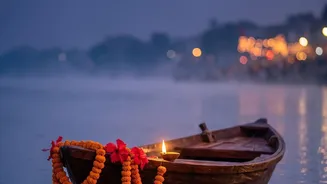
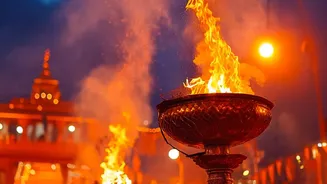
The most iconic feature of Dev Deepawali is the breathtaking sight of millions of 'diyas' (earthen lamps) lighting up the eighty-four ghats that line the riverfront. This ritual of 'Deepdaan' (the offering of lamps) is a grand gesture of welcome for the celestial visitors. Volunteers and devotees meticulously arrange the lamps along every step, ledge, and temple from Ravidas Ghat to Rajghat, creating a continuous, shimmering coastline of light. The reflection of these countless flames on the gentle currents of the Ganga creates an atmosphere that feels otherworldly. The grand evening Ganga Aarti at ghats like Dashashwamedh becomes even more spectacular on this night, with larger ceremonies, rhythmic chanting, and thousands of pilgrims watching from the steps and from boats on the river.
A Festival of Spiritual Significance
Beyond the primary legend of Shiva, Kartik Purnima holds significance for multiple reasons, adding layers to why the gods' descent is celebrated. For Vaishnavites, it is associated with Lord Vishnu's Matsya (fish) avatar, when he saved primordial man from a great deluge. The day also marks the end of any auspicious fournd month period of Chaturmas. This convergence of sacred events makes Kartik Purnima an exceptionally potent day for spiritual activities. Therefore, descent of any gods is not just to celebrate one victory but to mark a culmination of a holy month and a time of immense spiritual energy on Earth. The lamps lit are not just for decoration; they symbolise the dispelling of inner darkness and an awakening of consciousness, a theme that resonates deeply with its divine audience.