


1. Truly Great Strawberries
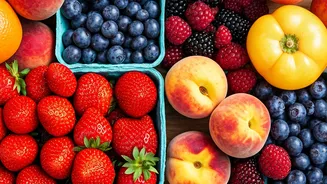
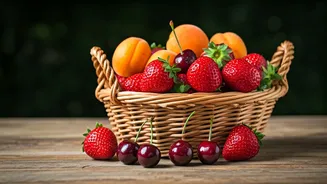
Forget the pale, woody strawberries of winter. We’re now deep into the domestic strawberry season, which means the berries in your market are likely coming from much closer to home. This is the time for the ruby-red, fragrant fruit that tastes like sunshine.
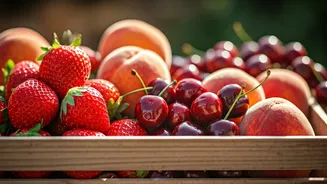
They are sweeter, juicier, and have a much richer, more complex flavor than their off-season counterparts that are bred for long-distance travel, not taste. **How to Pick the Best:** Your nose is your best tool. If a carton of strawberries doesn’t smell sweet and floral, move on. Look for berries that are bright red all the way to the leafy cap, with no white or green shoulders. They should be plump and glossy, not dull or shriveled. Size doesn't always indicate flavor; sometimes the smaller berries pack the most punch. **How to Use Them:** The best way is often the simplest: rinsed and eaten out of hand. For a quick dessert, slice them, sprinkle with a tiny bit of sugar, and let them sit for 20 minutes to create their own glorious syrup. They’re also fantastic in spinach salads with a light vinaigrette or muddled into a glass of lemonade or iced tea.
2. Sweet Cherries
The arrival of sweet cherries is one of the first true signs of summer. While their season can run for a couple of months, the early harvest is always special. Varieties like the popular Bing cherry are just starting to hit their stride, offering that perfect balance of sweetness and tartness with a satisfyingly firm bite. Because their season is relatively short and they don't ripen after being picked, getting them now means you’re catching them at their prime. **How to Pick the Best:** Look for cherries that are plump, firm, and have a deep, dark color (for red varieties). The stems should be fresh, green, and still attached; a missing stem can be a sign of an older cherry or an entry point for mold. Avoid any that are bruised, wrinkled, or leaking juice. **How to Use Them:** Besides pitting them and eating them by the handful, cherries are incredibly versatile. A classic cherry clafoutis is a simple, elegant French dessert. They can also be simmered into a sauce to serve over pork or duck, or pitted and infused into a bottle of bourbon for a spectacular old-fashioned base.
3. Velvety Apricots
Apricots have one of the most fleeting seasons of all stone fruits, making them a true “get them while you can” treasure. Unlike their often mealy and bland imported cousins, fresh, local apricots are a revelation. They have a delicate, floral aroma and a unique flavor that’s a beautiful mix of sweet and tangy, with a velvety skin and soft flesh. This is the fruit that makes you understand why poets and painters have obsessed over it for centuries. **How to Pick the Best:** A perfect apricot should be slightly soft to the touch but not mushy. Look for a vibrant, rich orange color, sometimes with a reddish blush. Avoid ones that are pale yellow, greenish, or have soft spots and bruises. They should also be fragrant, with a distinct sweet, fruity smell. **How to Use Them:** Apricots are fantastic when grilled or roasted, which caramelizes their sugars and intensifies their flavor. Halve them, brush with olive oil, and grill until you have nice char marks. Serve them alongside grilled chicken, pork chops, or in a salad with goat cheese and arugula. They also make an exceptional jam or compote.
4. Tart Rhubarb
Okay, technically it’s a vegetable, but in the American kitchen, rhubarb is treated as an honorary fruit. Its stalk-like appearance belies the bright, mouth-puckering tartness it brings to the table. Available from spring into early summer, rhubarb is the perfect acidic counterpoint to the sweet fruits it’s often paired with, like strawberries. Its unique flavor is a wake-up call for your taste buds after a long winter. **How to Pick the Best:** Choose stalks that are firm, crisp, and brightly colored—the redder the stalk, the more flavorful it tends to be, though green varieties can be just as good. Avoid any that are limp, wilted, or split. And remember, the leaves are poisonous, so be sure to discard them completely before cooking. **How to Use Them:** The quintessential use is in a strawberry-rhubarb pie. But don’t stop there. Chop it and simmer it with sugar and a little water to make a simple compote for yogurt or ice cream. Or, create a rhubarb simple syrup to add a tart, rosy kick to cocktails and sodas.