






A Monsoon Ritual Reborn
Every year, as the skies open up, so do our kitchen spice boxes. The search for 'kadha recipe' spikes online, and for good reason. The monsoon, while a welcome relief from the summer heat, brings with it a host of seasonal health concerns. A dip in temperature,
increased humidity, and water-borne germs often lead to a rise in colds, coughs, sore throats, and viral fevers. In this setting, kadha re-emerges not just as a drink, but as a cultural first line of defence. It’s the warm, reassuring hug in a mug passed down through generations, a comforting tradition that connects us to our grandmothers' wisdom and the healing power of ancient Indian kitchens. It’s less of a trend and more of a timeless habit, rekindled each year by the changing season.
The Anatomy of a Perfect Kadha
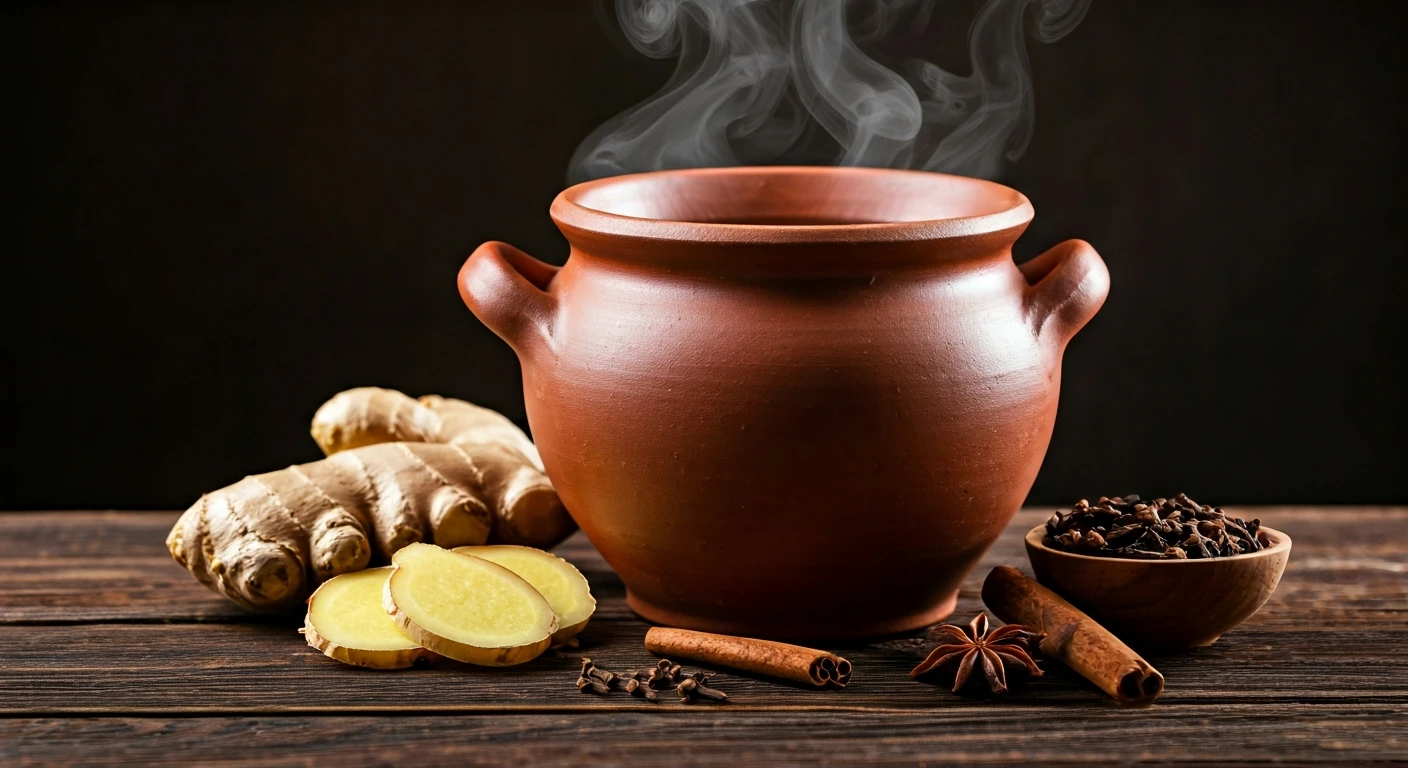
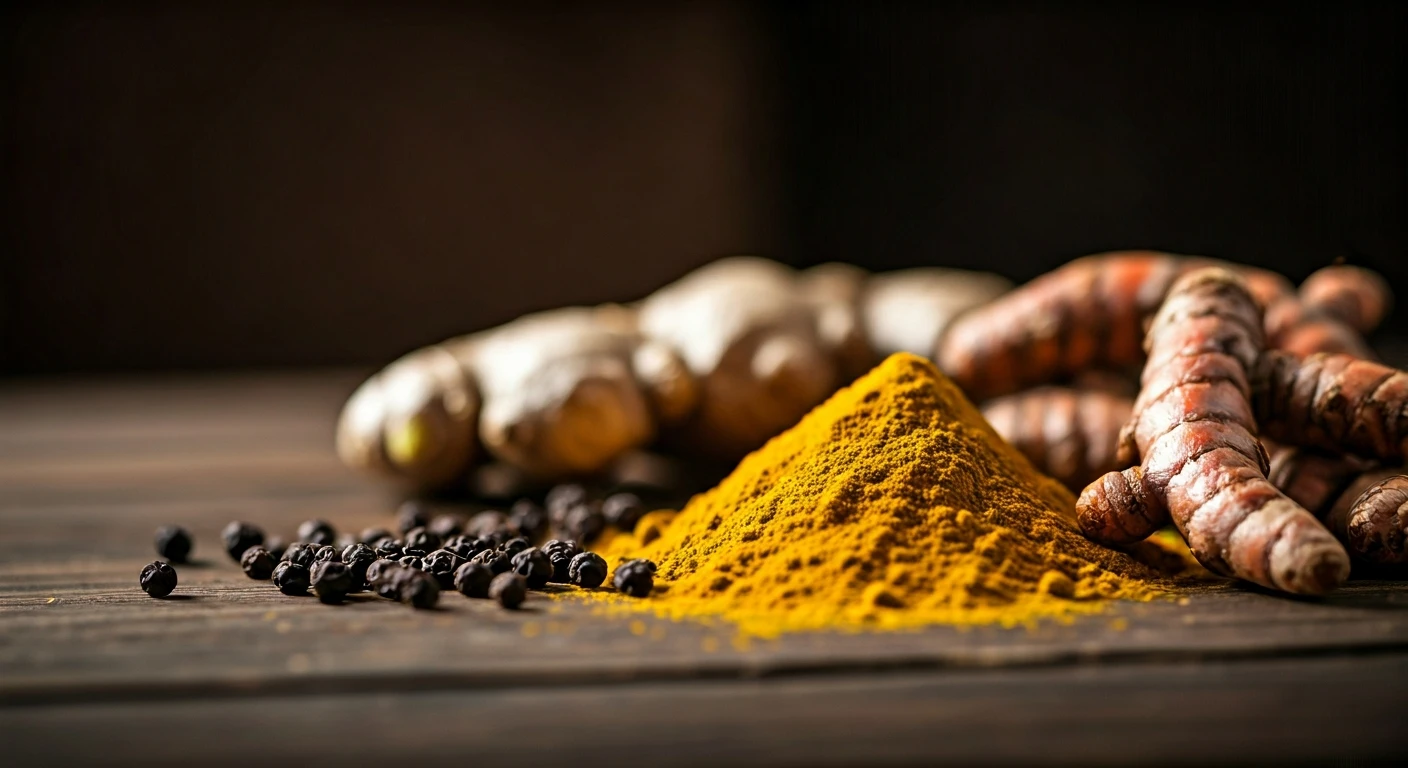
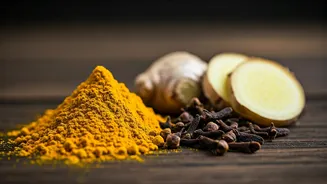
So, what exactly is this potent brew? Kadha, also known as 'kashayam' in some parts of India, is an Ayurvedic decoction made by boiling various herbs and spices in water. While recipes vary from household to household, a classic kadha typically features a symphony of powerful ingredients. The core components often include Tulsi (holy basil), revered for its immunity-supporting properties; Adrak (ginger), known for its anti-inflammatory and throat-soothing effects; and Kali Mirch (black pepper), which not only helps with congestion but also enhances the bioavailability of other active ingredients. Other common additions include Laung (cloves), Dalchini (cinnamon), Haldi (turmeric), and a touch of Shahad (honey) or jaggery for taste and its own soothing qualities.
Why These Spices Work So Well
The magic of kadha lies in the synergistic effect of its ingredients, long celebrated in Ayurveda. Ginger contains gingerol, a compound with potent anti-inflammatory and antioxidant properties that can help fight infections and soothe a sore throat. Turmeric’s active compound, curcumin, is a well-studied anti-inflammatory agent. Tulsi is considered an adaptogen, helping the body adapt to stress and boosting its natural defences. Black pepper's piperine is key, as it dramatically increases the body's ability to absorb curcumin from turmeric. Cloves and cinnamon add not just flavour and warmth but are also packed with antioxidants. Together, they create a brew designed to warm the body, clear respiratory passages, and support the immune system's fight against seasonal bugs.
A Simple, Classic Kadha Recipe
Ready to brew your own cup of wellness? Here is a simple, foundational recipe you can adapt. Ingredients: - 2 cups of water - 5-6 Tulsi leaves - 1-inch piece of ginger, grated - 2-3 cloves - 2-3 whole black peppercorns, crushed - 1 small stick of cinnamon - A pinch of turmeric (optional) - 1 teaspoon of honey or jaggery (to be added at the end) Instructions: 1. In a saucepan, add the water, tulsi leaves, grated ginger, cloves, crushed peppercorns, and cinnamon stick. 2. Bring the mixture to a boil. 3. Reduce the heat and let it simmer for 10-15 minutes, or until the water reduces to about half its original volume. This process extracts the goodness from the spices. 4. Turn off the heat and strain the liquid into a cup. 5. Let it cool slightly before stirring in the honey or jaggery, as boiling honey can alter its properties.
The Golden Rule: Moderation is Key
While kadha is a wonderful wellness aid, it's not a magic potion, and more is not always better. Most of the spices used are 'warming' in nature. Overconsumption, especially for those with a 'pitta' or heat-dominant constitution, can lead to side effects like acidity, heartburn, nosebleeds, or stomach ulcers. Dietitians and health experts advise limiting intake to a small cup once a day. It should be seen as a supplement to a healthy lifestyle, not a replacement for medical treatment or a balanced diet. If you have any underlying health conditions, are pregnant, or on medication, it's always best to consult a doctor before making kadha a regular part of your routine. Listen to your body—if you feel any discomfort, reduce the frequency or the quantity of spices.