
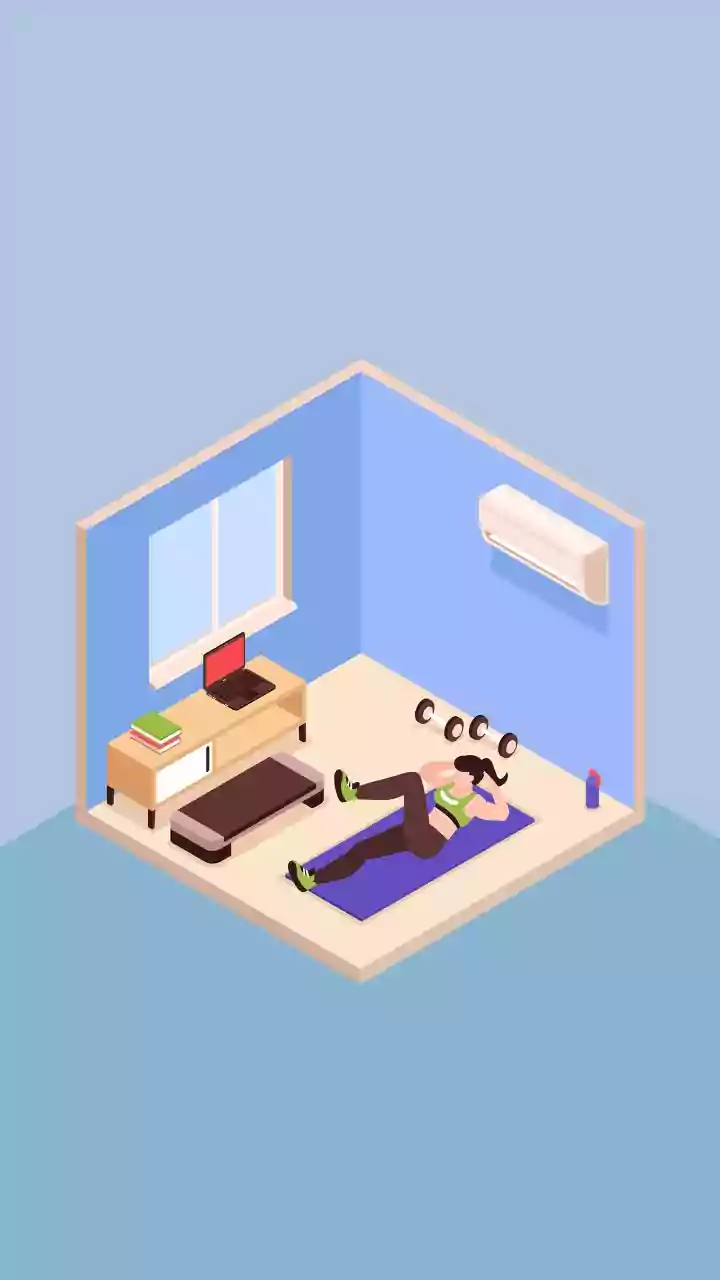


Looking for a workout that's effective but gentle on your body? Low-impact exercise offers a powerful way to build strength and boost your heart health without stressing your joints, and you can get started right in your living room.
What Is Low-Impact Exercise?
Low-impact exercise
is any form of physical activity that minimizes the amount of force or 'impact' placed on your joints. The golden rule is that at least one of your feet remains on the ground at all times. This is in contrast to high-impact activities like running or jumping, where both feet leave the ground simultaneously, creating more stress on the ankles, knees, and hips upon landing. But don't mistake 'low-impact' for 'low-intensity' or 'low-results'. These workouts can be incredibly effective for improving cardiovascular health, building muscle, and burning calories. They are an accessible option for people of all fitness levels, including beginners, older adults, and those recovering from injury.
The Body-Friendly Benefits
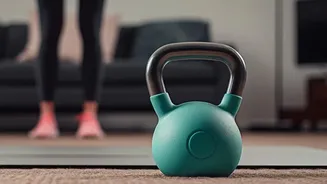
The primary advantage of low-impact training is that it's gentler on your body. This significantly reduces the risk of injury, allowing for more consistent training and less recovery time. Because it puts less strain on the joints, it's a sustainable form of exercise for long-term health, especially for those with arthritis or chronic pain. These workouts are proven to improve heart health by increasing circulation and strengthening the cardiovascular system. They also help build muscle mass, improve flexibility and balance, boost your mood through the release of endorphins, and support weight management.
Beyond the Walk: Other Great Options
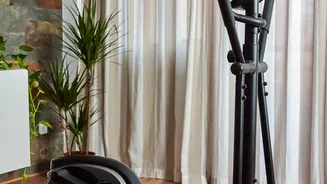
While walking is a fantastic low-impact choice, there are many other exercises to explore. Swimming, for instance, is a full-body workout with virtually no impact, as the water supports your body weight. Cycling (both stationary and outdoor) is another excellent cardio option that is easy on the knees. Yoga and Pilates are phenomenal for building core strength, flexibility, and balance through slow, controlled movements. Using an elliptical machine or cross-trainer at the gym simulates running without the harsh impact. Even certain bodyweight strength exercises like squats, lunges, and modified pushups are considered low-impact.
Your Guide to At_Home Walking Workouts
You don't need a treadmill or even much space to get a great walking workout at home. Walking in place is a legitimate and effective form of exercise. It raises your heart rate, burns calories, and contributes to your daily step goals. While it may burn slightly fewer calories than walking outdoors due to the lack of wind resistance and changing terrain, its convenience makes it easier to stay consistent, which is the key to seeing results. You can walk in place while watching TV, listening to a podcast, talking on the phone, or even during short breaks from work.
How to Structure Your Indoor Walk
To get the most out of your at home walk, give it some structure just like any other workout. Start with a 3–5 minute warm up of gentle walking in place to get your muscles ready. For the main part of your workout, aim for 20–30 minutes. You can vary the intensity to make it more challenging. Try alternating between a moderate pace for 3 minutes and a faster, more brisk pace for 1–2 minutes. You can also incorporate different movements, such as walking forward and backward, side steps, high knees, or butt kicks. Finally, finish with a 3–5 minute cool down, gradually slowing your pace to bring your heart rate down, followed by a few simple stretches for your legs.
Turn Up the Intensity
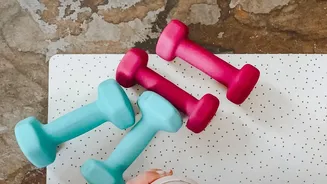
Ready to take your indoor walk to the next level? There are several simple ways to boost the challenge. Playing music with a tempo of $120–$130 beats per minute (BPM) can naturally encourage you to pick up your pace. Following along with one of the thousands of free guided walking workouts online can provide structure and motivation. Adding light hand weights or wrist weights can increase calorie burn and incorporate upper body strength training. Actively swinging your arms engages more muscles and elevates your heart rate. By mixing in these variations, your simple at home walk becomes a dynamic and powerful full body workout.