




Your Monsoon Balcony Garden: Essential Tips First
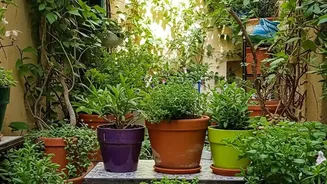
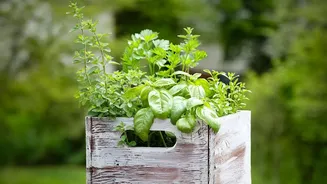
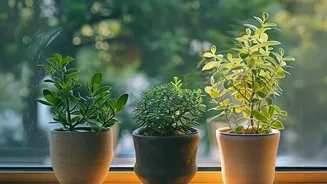
Before we get to the specific herbs, let's set your balcony up for success. The biggest challenges during the monsoon are overwatering and fungal growth due to high humidity and lack of direct sun. Focus on excellent drainage. Ensure every pot has drainage holes.
A light, well-draining soil mix is your best friend. A combination of garden soil, compost, and cocopeat or sand works wonders, preventing the soil from becoming a soggy mess. If possible, keep pots on a stand or elevate them slightly to help excess water escape. Finally, be mindful of watering; check if the top inch of soil is dry before adding more water, as many plants will get plenty from the rain itself.
Mint (Pudina): The Unstoppable Freshener
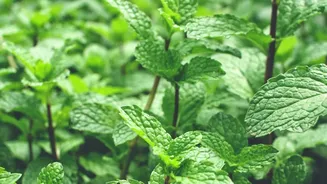
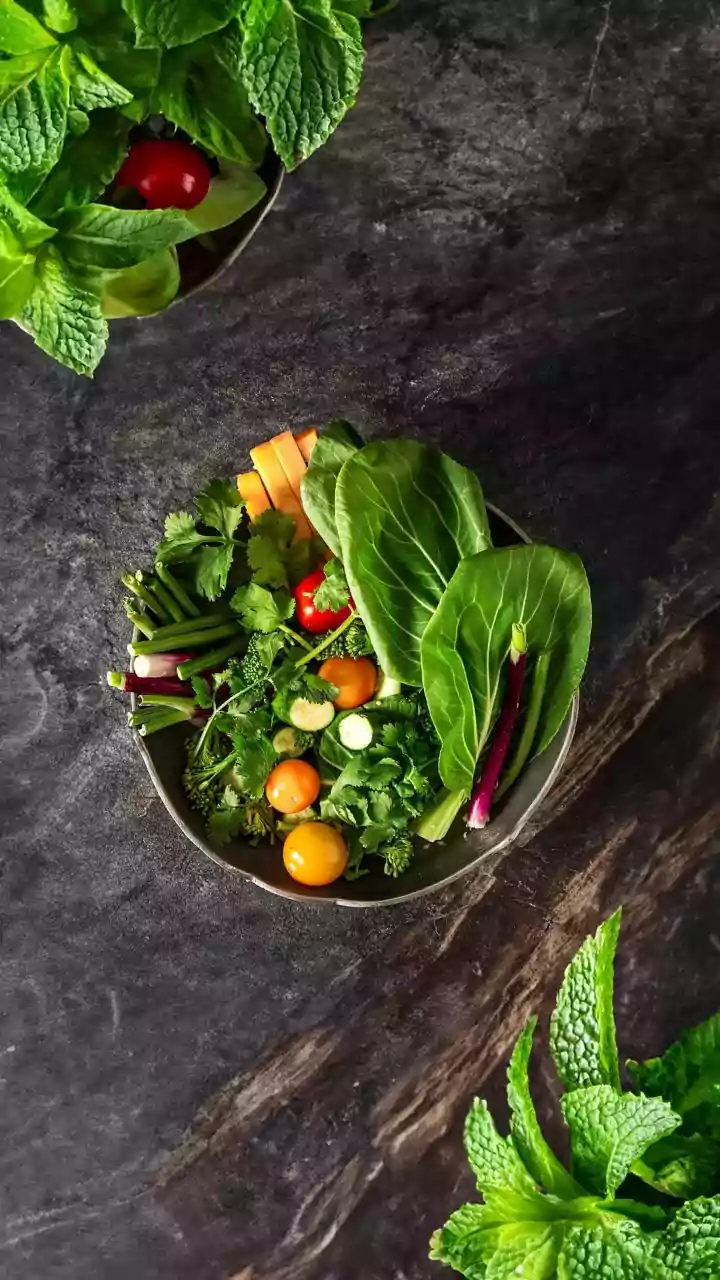
Mint thrives in the cool, moist conditions of the monsoon, making it a perfect choice. It’s famously easy to grow and can tolerate partial shade. Plant a healthy cutting from a bunch you bought at the market in a deep pot, as its roots like to spread. Use a loamy, well-drained soil. Keep the pot where it gets some light but is shielded from the heaviest downpours. Harvest the top leaves regularly to encourage bushier growth and enjoy an endless supply for your chai, chutneys, and refreshing drinks. Mint can grow aggressively, so it’s best to give it its own container.
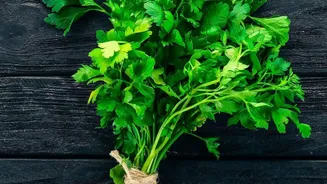
Coriander (Dhania): The Essential Garnish
No Indian kitchen can do without fresh coriander, and the good news is it grows quickly during the rainy season. The cooler temperatures and humidity are ideal. However, it doesn't like soggy roots. Use a light soil mix and a pot with excellent drainage. Coriander prefers partial sunlight, as too much direct sun can cause it to bolt (flower prematurely). A spot on a shaded balcony that gets a few hours of indirect light is perfect. Sow seeds every few weeks for a continuous supply, and start harvesting once the plant is a few inches tall to encourage more growth.
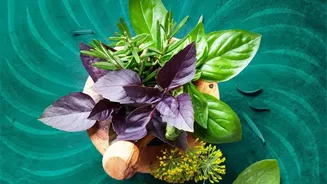
Holy Basil (Tulsi): The Sacred Healer
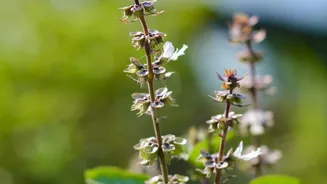
Tulsi is a staple in many Indian homes and grows well in containers. While it loves warmth, it benefits from the humidity of the monsoon. It's known to be a hardy plant that can manage in semi-shaded areas. Plant it in well-drained soil mixed with compost. The key to a healthy Tulsi plant during monsoon is to avoid overwatering and protect it from heavy rain, which can damage its leaves and lead to root rot. Place it in a spot with indirect sunlight. Regularly pinching off the flowering heads will ensure the plant directs its energy into producing more aromatic leaves.
Lemongrass: For Fragrant Teas and Soups
Lemongrass loves the moisture and humidity that the monsoon brings, developing lush, fragrant stalks with minimal fuss. This herb is perfect for adding a fresh, citrusy flavour to teas, soups, and Asian-style curries. It can tolerate partial shade but will be most productive if it gets at least a few hours of light. Plant it in a large, deep pot to accommodate its growing root system. Ensure the soil is well-draining but kept consistently moist. Lemongrass is relatively low-maintenance and will reward you with its delightful aroma every time you brush past it.
Indian Borage (Ajwain Patta): The Medicinal Powerhouse
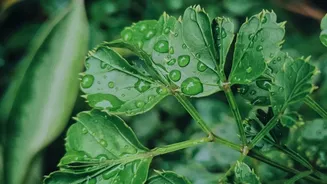
Often mistaken for the ajwain spice, the Indian Borage plant has thick, fleshy leaves with a strong carom-seed like aroma. This hardy herb is incredibly easy to grow and thrives in Indian conditions. It’s quite forgiving and does well in pots, even in partially shaded spots. It prefers well-drained soil and, due to its succulent-like leaves, is quite drought-tolerant, so be extra careful not to overwater it during the monsoon. A single leaf is often enough to add a powerful flavour to bhajiyas or to be used in home remedies for coughs and colds.