







From Field to Your Pantry
The journey of a packaged food item, whether it's a bag of potato chips, a packet of instant noodles, or a simple biscuit, begins long before it reaches a factory. It starts in a field. These products are fundamentally derived from agricultural commodities
like wheat, sugar, potatoes, and edible oils. When the cost of these raw materials goes up, the price of the final product eventually follows. For India, where food makes up a significant portion of the household budget, this link is especially critical. Extreme weather events are increasingly disrupting crop yields, making this farm-to-factory supply chain more volatile and expensive.
When Weather Turns Unpredictable
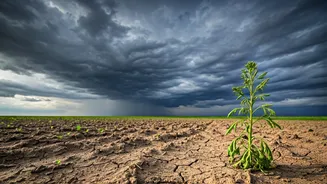
The performance of India's southwest monsoon is the lifeblood of its agricultural sector. It irrigates over half of the country's net sown area. A weak or delayed monsoon, as has been seen with deficits in June 2026, immediately raises concerns about the output of crucial rain-fed kharif crops like rice, pulses, and oilseeds. But it's not just a local story. Global weather patterns like El Niño—a warming of the Pacific Ocean—can weaken the Indian monsoon and also cause droughts in other major agricultural regions like Southeast Asia and Australia. According to the Food and Agriculture Organization, the developing El Niño in 2026 is already raising concerns for agricultural production worldwide, putting staple crops under stress.
The Ripple Effect of Key Crops
Certain ingredients are ubiquitous in the packaged food industry, making them key drivers of price. Sugar, a core component in everything from beverages to confectionary, is highly vulnerable to rainfall deficits. Likewise, wheat and its derivatives form the base for biscuits, noodles, and bread. Edible oils, particularly palm and soy, are another critical input for a vast range of fried and processed foods. India is a major importer of edible oils, so a drought in a key producer like Indonesia or Malaysia can lead to higher import costs for Indian companies. A shortfall in any of these key commodities creates a ripple effect, as higher raw material costs are passed down the supply chain.
The Company Playbook for Rising Costs
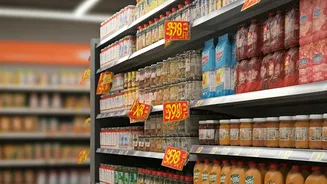
Fast-Moving Consumer Goods (FMCG) companies don't immediately raise prices when their input costs rise. Initially, they might absorb the pressure to protect their market share. However, if the cost pressures persist, they employ a few strategies. One common tactic is 'shrinkflation', where the price of a product remains the same, but the quantity inside the package is reduced. Another is to adjust promotional offers. But when input costs, which also include higher energy and transportation prices driven by geopolitical events or heatwaves, continue to climb, eventual price hikes become unavoidable. Companies like Marico and Godrej Consumer Products have already flagged the potential impact of El Niño on rural demand and have taken calibrated price hikes to offset inflationary pressures.
What Consumers Can Expect
Analysts are watching the ongoing monsoon and global weather patterns closely. The consensus is that food inflation is now a greater risk than fuel prices. With a weak monsoon threatening to reduce agricultural output and rural incomes, the demand for everyday items could also slow down, particularly in price-sensitive rural markets. Consumers may notice more price increases in categories like packaged foods, personal care items, and beverages in the coming months. While India's food system has grown more resilient with better storage and irrigation, a second consecutive year of erratic weather could be more damaging, testing both corporate strategies and household budgets.