

Why Drainage Is August's Golden Rule
August can be a tough month for gardens. In many parts of India, it’s peak monsoon season, which means soil can quickly become waterlogged. When soil is saturated with water, the air pockets that roots need to breathe disappear. This creates an anaerobic
environment that can suffocate plants. This condition, known as waterlogging, is a primary cause of root rot, a fungal disease that can quickly kill a healthy plant. Poor drainage doesn't just drown roots; it also prevents them from absorbing essential nutrients from the soil, leading to deficiencies even if you fertilize regularly. Furthermore, constantly damp conditions create a breeding ground for pests and other harmful fungi, adding another layer of stress to your plants.
Spotting the Danger Signs of Poor Drainage
Plants are quite good at showing you when they’re unhappy. If you suspect poor drainage, look for a few key symptoms. One of the most common signs is yellowing leaves, especially on the lower parts of the plant. This often indicates that the roots are waterlogged and unable to function properly. Another confusing but critical sign is wilting. A plant might look thirsty and droopy, but if the soil is wet to the touch, it's actually a sign of overwatering and root decay, not a lack of water. Other indicators include stunted growth, leaf drop, and a musty or mouldy smell coming from the soil. If you see water pooling on the surface long after it rains or after watering, that’s a clear sign your drainage needs immediate attention.
A Rescue Plan for Potted Plants
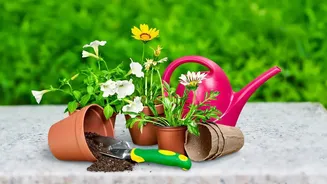
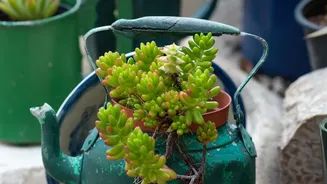
Container gardens are especially vulnerable to poor drainage. The first and most crucial step is to ensure your pots have adequate drainage holes. One hole is good, but multiple holes are better. If you have a decorative pot without holes, you have two options: either carefully drill some yourself or use it as a cachepot (a decorative outer pot) by placing a smaller plastic pot with drainage holes inside it. Elevating your pots using 'pot feet' or simple bricks can also dramatically improve drainage and airflow. When it comes to potting mix, avoid using heavy garden soil, which compacts easily. Instead, choose a high-quality potting mix designed for containers, as these contain ingredients like perlite or vermiculite that promote good aeration and drainage.
Improving Drainage in Garden Beds
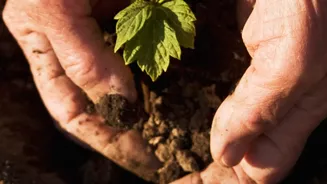
Fixing drainage in garden beds requires a bit more effort but yields long-term benefits. The best way to improve heavy or clay-like soil is by incorporating organic matter. Adding a generous layer of compost, well-rotted manure, or coconut coir and mixing it into the top 6 to 12 inches of your soil will work wonders. This organic material improves the soil structure, creating more air pockets and allowing water to move through more freely. For areas that are persistently waterlogged, building raised beds is an excellent solution. A raised bed lifts your plants' roots above the saturated ground, giving you complete control over the soil composition and ensuring perfect drainage. Even simple actions like avoiding walking on your garden beds can help, as this prevents the soil from becoming compacted.
Rethinking Your Watering Habits
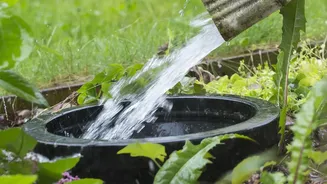
Even with perfect drainage, your watering habits can make or break your garden's success in August. During humid and rainy weather, plants don't lose as much water through their leaves, so they don't need to be watered as frequently. Always check the soil before you water. A simple test is to stick your finger about two inches into the soil; if it feels damp, hold off on watering. When you do water, aim for deep, infrequent soakings rather than light, daily sprinkles. This encourages roots to grow deeper into the soil, making them more resilient. Watering early in the morning is also preferable, as it allows any moisture on the leaves to evaporate during the day, reducing the risk of fungal diseases.