





The Science of Rainy Day Cravings
There’s a reason you crave a hot samosa and not a cold salad when it rains. The damp, grey weather can lead to a dip in serotonin, our body's happy hormone. To compensate, our body craves carbohydrates, which provide a quick (though temporary) mood boost.
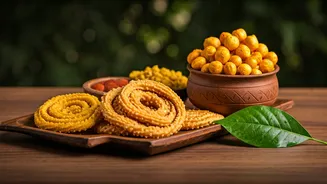
Fried foods, being carb-dense, fit the bill perfectly. Furthermore, the contrast between the damp, cool environment and a hot, crispy snack is deeply satisfying on a sensory level. This craving is also deeply rooted in nostalgia and comfort, with fried snacks being a traditional part of the monsoon experience in many Indian households.
The Hidden Risks in Your Favourite Snacks
While indulging is part of the joy, the monsoon also brings a heightened risk of illness. The high humidity creates a perfect breeding ground for bacteria and fungi, causing food to spoil faster. This makes street food particularly risky. Contaminated water used in chutneys or for washing vegetables can lead to serious water-borne diseases like typhoid, cholera, and gastroenteritis. Even at home, our digestive system tends to be weaker and slower during the monsoon, making it harder to process heavy, oily foods, which can lead to bloating and indigestion. Experts specifically advise against eating raw vegetables, pre-cut fruits, and anything with uncooked chutneys from outside vendors during this season.
Smarter Swaps for a Satisfying Crunch
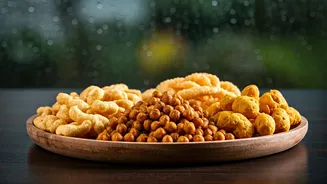
You don't have to give up satisfying snacks, just get smarter about them. Instead of deep-frying, consider baking or air-frying your favourite pakoras or samosas; this can drastically reduce the oil content while retaining the crunch. Embrace other monsoon classics like roasted corn on the cob (bhutta), which is both delicious and healthy. Other great options include roasted makhana (fox nuts), which are light and high in fibre, or a simple masala roasted chana. These snacks provide that desired crunch without the heaviness and health risks of deep-fried foods.
Golden Rules for Monsoon Eating
A few simple rules can help you enjoy the season without worry. First and foremost, prioritise freshly cooked, homemade food. When you cook at home, you control the quality of the ingredients and the hygiene. Secondly, boost your immunity. Ayurveda suggests incorporating ingredients like ginger, garlic, turmeric, and black pepper into your diet, which have natural anti-inflammatory and digestive properties. Opt for warm beverages like herbal teas or soups to stay hydrated and warm. Always wash fruits and vegetables thoroughly, even if you plan to cook them. FSSAI recommends using clean, filtered water for all cooking. Finally, if you do eat leftovers, ensure they are refrigerated promptly and reheated thoroughly until boiling to kill any potential bacteria.
Rethinking the Monsoon Plate
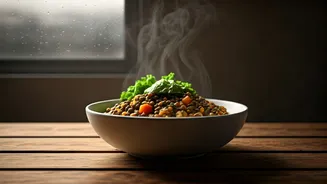
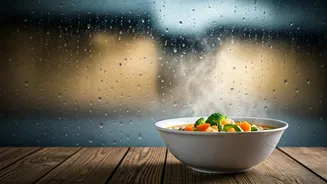
Ayurveda offers a useful framework for monsoon eating, suggesting a shift towards light, easily digestible foods. It recommends favouring grains like barley and wheat and dals like moong, which are easy on the stomach. It also advises steering clear of heavy dairy products and leafy green vegetables, as they can harbour dirt and are harder to clean during this season. The focus is on strengthening the digestive fire (agni), which is naturally weaker when the environment is humid. This means choosing warm, cooked meals over raw or cold ones. A warm bowl of khichdi or a nourishing vegetable soup can be just as comforting as a plate of bhajis, and much kinder to your gut.