







The Great Festive Clean-Up
Before the decorations go up and the lamps are lit, the first step in welcoming the Goddess is a thorough cleaning of the home. Tradition holds that a clean and decluttered space invites positive energy and divine blessings. This is the perfect time to
deep clean every corner, from floors and windows to shelves and cupboards. Decluttering by removing or donating unused or broken items not only creates physical space but also helps in clearing stagnant energy, setting a fresh, pure foundation for the nine sacred days. Pay special attention to the kitchen, as it's where festive and sattvic meals will be prepared.
Creating a Divine Ambience with Decor
Once the home is sparkling clean, it's time to adorn it. Lighting is central to the festive atmosphere. String fairy lights across windows and balconies, and place clay diyas or elegant brass lamps in corners and at the entrance to create a warm, inviting glow. Flowers, especially marigolds, are essential for Navratri decor; use them to create traditional torans (door hangings) and beautiful rangoli patterns at your doorstep. You can also bring in festive colours through fabrics by changing cushion covers and draperies to vibrant shades of red, yellow, and green. Even old dupattas can be repurposed as colourful backdrops or table runners.
Setting Up the Sacred Puja Space
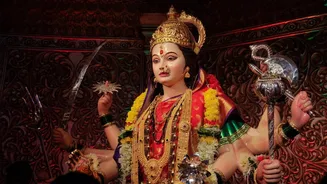
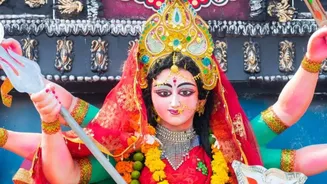
The heart of Navratri celebrations at home is the puja space or mandir. This area should be a peaceful, dedicated corner, preferably in the northeast direction of the home. Clean the area thoroughly and place a clean red cloth on a chowki (a small, raised platform). This is where you will place the idol or image of Goddess Durga. Decorate the altar with fresh flowers, garlands, and arrange your puja thali with essentials like kumkum, akshat (uncooked rice), and incense. The goal is to create a serene and spiritually charged environment for daily prayers and aarti.
The Significance of Ghatasthapana
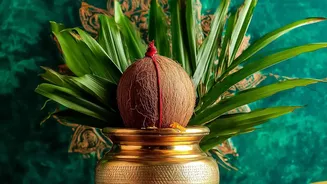
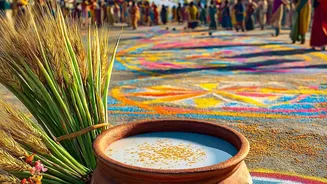
One of the most important rituals on the first day of Navratri is Ghatasthapana, or Kalash Sthapana. This ritual marks the formal beginning of the festival and symbolizes the invocation of Goddess Durga into your home. To perform it, you need a clay pot to sow barley seeds in clean soil. In the centre of this pot, a Kalash (a brass, copper, or clay pitcher) is placed. The Kalash is filled with holy water, along with items like a betel nut, coins, and durva grass. Five mango leaves are arranged around its mouth, and it is topped with a coconut wrapped in a red cloth. This Kalash is considered the symbolic seat of the goddess for the nine days, and the sprouting barley represents prosperity and growth.
Embracing Sattvic Living and Fasting
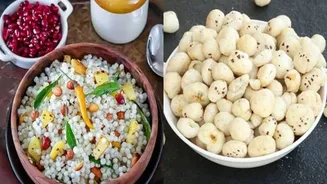
Navratri is also a period of spiritual discipline, which for many includes observing a fast and adhering to a sattvic diet. This involves avoiding foods like onion, garlic, meat, alcohol, and processed grains. The focus shifts to pure, light, and easy-to-digest foods such as kuttu atta (buckwheat flour), singhara atta (water chestnut flour), potatoes, paneer, yogurt, and fruits. Preparing the kitchen means stocking these ingredients and ensuring utensils are clean for preparing vrat-friendly meals. This dietary practice is believed to purify the body and mind, making it more receptive to spiritual energies during the festival.