






The Body’s Natural Air Conditioner
To understand why humidity is such a game-changer, we first need to look at how our bodies stay cool. Humans have a brilliant, built-in cooling system: sweating. When our internal temperature rises, millions of sweat glands release perspiration onto our skin.
The magic happens when this sweat evaporates. Evaporation is a cooling process that pulls heat away from the skin, helping to regulate our core temperature and keep us from overheating. In dry conditions, this system works beautifully. Sweat evaporates quickly, providing efficient relief from the heat.
Enter Humidity: The Great Disruptor
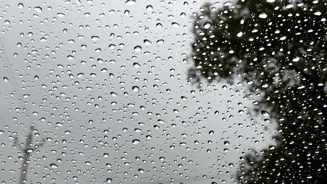
The monsoon brings with it high humidity, which is essentially a high concentration of water vapour in the air. Think of the air as a sponge; when humidity is high, that sponge is already nearly full of water. This creates a major problem for our cooling system. Because the surrounding air is already saturated with moisture, it can't absorb much more. As a result, the sweat on your skin can't evaporate efficiently. It just sits there, leaving you feeling sticky, clammy, and most importantly, hot. Your body continues to produce sweat in an attempt to cool down, but without evaporation, you get all of the wetness with none of the cooling benefits.
Understanding the ‘Real Feel’ Temperature
This is why meteorologists and weather apps often refer to the 'Heat Index' or 'feels like' temperature. This metric combines the actual air temperature with the relative humidity to give a more accurate picture of how hot it feels to the human body. The effect is significant. For example, an air temperature of 32°C with 80% humidity can feel like a much more dangerous 41°C. This 'real feel' temperature is a truer guide to how you should dress and plan your activities, as it better reflects the stress your body will be under to stay cool.
It’s Not Just Uncomfortable—It’s a Health Risk
The danger of high humidity is that it makes it much harder for your body to prevent overheating, even at temperatures that don't seem extreme. When your body can't cool itself, you are at a higher risk for heat-related illnesses like heat exhaustion and heatstroke. Symptoms can include fatigue, dizziness, muscle cramps, and excessive sweating that doesn't provide relief. High humidity also puts extra strain on the cardiovascular system, as the heart has to work harder to pump blood to the skin to release heat. This makes it crucial to pay attention to how you feel, not just the number on the thermometer.
How to Beat the Humid Heat
While you can't change the weather, you can adapt your habits to stay safer and more comfortable during the humid monsoon season. Start by wearing the right clothing. Lightweight, loose-fitting garments made from natural, breathable fabrics like cotton and linen allow for better air circulation. Stick to light colours that reflect sunlight rather than absorbing it. Plan your day to avoid being outdoors during the peak heat hours, typically between noon and 4 p.m. Stay well-hydrated by drinking plenty of water, but also consider drinks that replenish electrolytes, like coconut water or buttermilk (chaas). Finally, take cool showers to lower your body temperature and give your internal cooling system a break.