




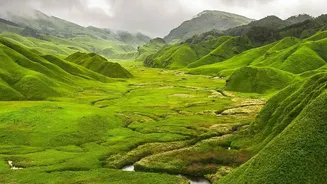
In a world that prizes speed, the idea of a 'slow' vacation feels revolutionary. Forgoing hectic itineraries for something more meaningful, travellers are discovering village stays that offer rich cultural connections, not just comfort.
The Rise of the Unhurried Holiday
The concept of
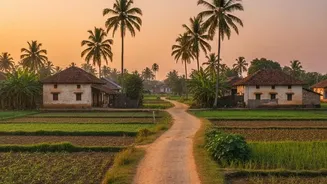
slow travel is simple: instead of ticking off as many sights as possible, you stay in one place longer to connect with it meaningfully. This approach is the direct opposite of a whirlwind tour, prioritising depth over distance. A slow village stay takes this philosophy to heart, placing you in a rural or semi-rural setting where the pace of life is dictated by natural rhythms, not by a tourist-driven clock. Forget the frantic rush between monuments. This is about spending time with local families, understanding regional traditions, and seeing a place through the eyes of those who call it home. The goal isn't just to see a new place, but to experience it, from joining in daily activities to learning the story behind a local craft.
What 'Cultural Value' Really Means
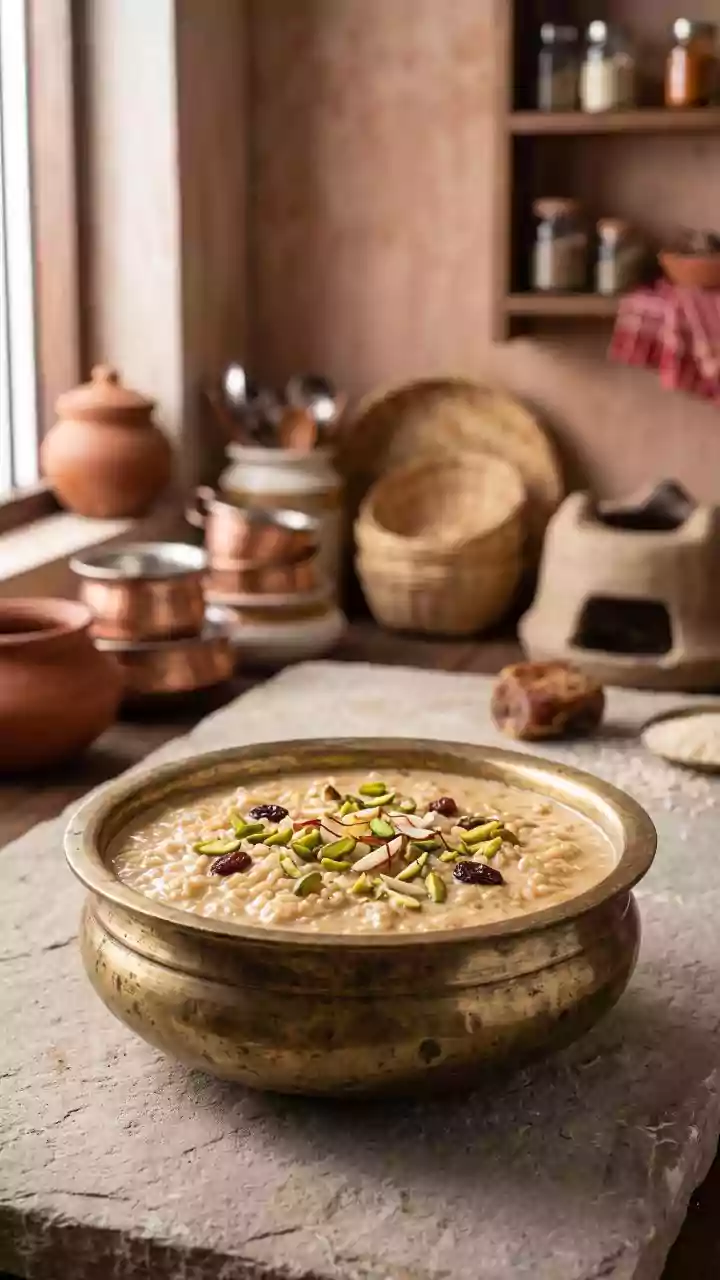
The phrase 'cultural value' can feel abstract, but in a village stay, it becomes tangible. It’s the difference between watching a cooking show and learning a family recipe in your host’s kitchen. It’s found in the unhurried conversations over morning tea, listening to stories that you’ll never find in a guidebook. This type of tourism allows you to witness traditions as part of daily life, not as a performance. In places like the Kutch region of Gujarat or the villages of Nagaland, you can interact with artisans and see how ancient crafts like weaving and embroidery are part of the local economy. In states like Uttarakhand, community-led initiatives are even helping to reverse migration by creating livelihoods that are rooted in preserving local heritage.
Trading High Prices for High Value
A key appeal of slow village stays is escaping the economics of luxury resorts. While a high-end hotel in India can cost anywhere from ₹9,000 to over ₹25,000 per night, a rural homestay or village stay is significantly more affordable. Many budget-friendly stays can range from ₹800 to ₹2,500 per day. This isn't just about saving money; it’s about what your money buys. At a luxury resort, a high price tag often purchases insulation from the local environment. In a village stay, your spending directly supports local families and the community economy. The value shifts from opulent rooms and generic buffets to personalised experiences, authentic home-cooked meals, and a genuine human connection. Your hosts often double as local guides, pointing you toward hidden waterfalls or scenic spots that other tourists miss entirely.
Where to Find These Experiences
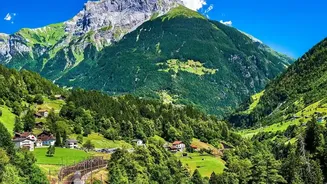
Across India, pockets of authentic village tourism are thriving. In Mawlynnong, Meghalaya, often called 'Asia’s Cleanest Village', community-based tourism is a way of life. The village of Khonoma in Nagaland has become a model for community-led conservation. In the Himalayas, regions like the Pangi Valley in Himachal Pradesh and villages such as Yuksom in Sikkim offer incredible mountain scenery combined with deep cultural immersion. Kerala’s tranquil backwater villages, like Mararikulam, allow you to experience life dictated by the rhythms of the sea. Many states, including Uttarakhand, have formalised homestay programmes to provide authentic and safe experiences for travellers while generating local employment.
How to Be a Good Guest
Embracing a slow village stay requires a slight shift in mindset. Amenities might be simpler than in a hotel, but the hospitality is often far warmer. The key is to be open, respectful, and curious. Ask questions, listen to stories, and participate where invited. It’s important to remember that you are a guest in someone's home and community. Simple acts like learning a few words of the local language, being mindful of local customs, and respecting the natural environment go a long way. This form of travel is a two-way exchange; you gain an unforgettable experience, and in return, you contribute to the sustainable preservation of a culture and a way of life.