



The Universal Call for Comfort
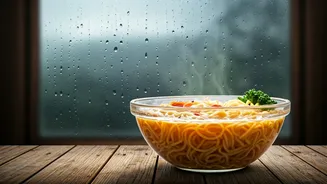
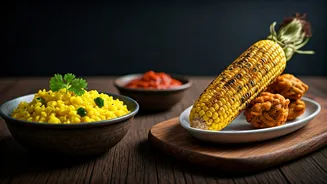
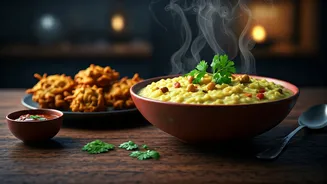
For generations, the first downpour has signalled a collective, nationwide dash to the kitchen. The most iconic of these cravings is, of course, for pakoras. Whether it’s the classic onion and potato or more adventurous spinach and paneer versions, these deep-fried
fritters, paired with a steaming cup of adrak wali chai, are the unofficial taste of the Indian monsoon. Corn on the cob, or bhutta, roasted over hot coals and slathered with lemon juice and masala, is another ubiquitous street-side delight that captures the essence of the season. These foods are more than just snacks; they are edible rituals, connecting us to childhood memories and the simple joy of watching the rain fall. They represent a shared cultural experience that transcends regional boundaries, a comforting constant in a rapidly changing world.
Beyond the Bhutta and Bhajiyas
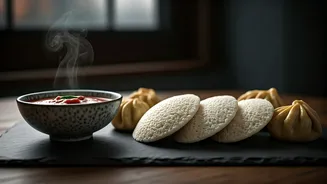
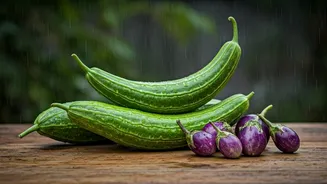
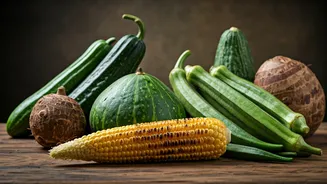
While pakoras and chai dominate the popular imagination, India's monsoon culinary landscape is incredibly diverse and deeply rooted in regional wisdom. In the east, especially Bengal, the monsoon is incomplete without a bowl of khichuri. This one-pot dish of rice and lentils, often studded with seasonal vegetables and served with a dollop of ghee and a side of fried hilsa fish or begun bhaja (fried aubergine), is the ultimate rainy-day soul food. In the west, coastal communities in Karnataka and Maharashtra prepare patrode or alu vadi—colocasia leaves smeared with a spiced gram flour paste, rolled, steamed, and then pan-fried. These dishes aren’t random; they are born from what the land offers during this damp, fertile season. Wild mushrooms, foraged greens, and specific tubers that only appear during the rains find their way into local kitchens, creating a unique seasonal menu that has been perfected over centuries.
The Ayurvedic Logic of Seasonal Eating
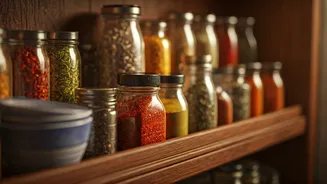
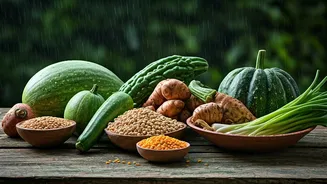
This culinary tradition is not just about taste and availability; it is also grounded in the ancient science of Ayurveda. According to Ayurvedic principles, the monsoon season aggravates the Vata dosha, which can weaken digestion and compromise immunity. The body becomes more susceptible to water-borne diseases and infections. Traditional monsoon diets are designed to counteract this. The emphasis is on warm, light, and easily digestible foods. The use of 'heating' spices like ginger, turmeric, black pepper, and asafoetida (hing) in everything from chai to curries helps stoke the digestive fire (agni). Fermented foods are often recommended, and heavy, oily meals are traditionally avoided—ironic, given the love for pakoras, which are seen as an occasional indulgence rather than a daily staple. This ancient wisdom focuses on strengthening the body's natural defences to navigate the health challenges of the season.
A Modern Renaissance
So why is this age-old wisdom suddenly getting fresh attention? The revival is being fuelled by a new generation of chefs, food bloggers, and health-conscious consumers. On platforms like Instagram, home cooks are proudly documenting their grandmothers' recipes for monsoon-specific kashayams (herbal decoctions) and regional delicacies. Food influencers are moving beyond generic cafe culture to explore and popularise hyper-local, seasonal dishes. This digital spotlight is helping preserve recipes that were at risk of being forgotten, bringing them to a younger, urban audience. There's a growing appreciation for food that is not just delicious but also sustainable, seasonal, and rooted in cultural identity. The pandemic also played a role, with a renewed focus on immunity and a return to traditional home cooking for comfort and health.
From Home Kitchens to High-End Menus
This renewed interest is no longer confined to home kitchens. It's making a significant impact on the commercial food scene. Progressive Indian restaurants are curating special monsoon menus that celebrate this heritage. Chefs are digging into culinary archives and family recipe books to create modern interpretations of classic rainy-day dishes. You might now find a deconstructed patrode or a gourmet khichuri on a fine-dining menu, presented with contemporary flair but retaining its traditional soul. This elevation of humble, seasonal food to a gourmet experience is giving monsoon traditions a new level of prestige and visibility. It validates the knowledge held within home kitchens for centuries and introduces it to a new audience that is eager to connect with its culinary roots in a meaningful way.