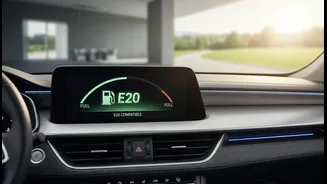








What is E20 Fuel?
E20 fuel is a blend of 80% petrol and 20% ethanol. Ethanol is a biofuel, typically produced from renewable agricultural sources like sugarcane and maize in India. The Indian government has mandated its use nationwide to reduce dependency on imported crude
oil, lower carbon emissions, and support the agricultural economy. Following a rapid rollout, E20 is now the standard petrol available at pumps across the country, a goal achieved ahead of the original 2030 schedule.
The Corrosion Concern in Older Engines
A common worry is that ethanol can be harmful to engines. This concern is valid for older vehicles that were not designed for high ethanol blends. Ethanol is more corrosive than petrol and can degrade certain rubber and plastic components used in the fuel systems of non-compliant vehicles, such as fuel lines, gaskets, and seals. It can also absorb moisture, which may lead to corrosion of metal parts over time. For these older cars and bikes, using E20 fuel can lead to long-term wear and tear, requiring more frequent maintenance and potential part replacements.
Engineered for Durability: The E20 Upgrade
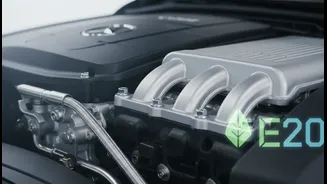
To address these issues, automakers have specifically engineered modern vehicles to handle E20 fuel. Any car or two-wheeler manufactured after April 2023 is E20-compliant. These models feature crucial upgrades for enhanced durability. Key components in the fuel system, including fuel lines, pumps, seals, and gaskets, are made from ethanol-resistant materials like high-grade synthetic elastomers instead of standard rubber. This prevents the swelling, cracking, and degradation that ethanol can cause. Additionally, the vehicle’s brain, the Engine Control Unit (ECU), is recalibrated to manage the different air-fuel ratio required by ethanol, ensuring efficient combustion and smooth performance.
The Long-Term Payoff for Young Buyers
For a young person making their first big vehicle purchase, choosing an E20-compatible model is a financially savvy decision that pays off in the long run. The primary benefit is peace of mind and reduced ownership costs. By design, these engines are protected from the corrosive effects of ethanol, saving you from expensive, unexpected repairs to the fuel system down the line. While E20 fuel can lead to a minor drop in fuel efficiency due to its lower energy density, the trade-off is superior long-term engine health. Furthermore, as India's biofuel program continues to evolve—with discussions of even higher ethanol blends like E25 and E30 on the horizon—an E20-ready vehicle is a future-proof investment that will retain its resale value better than a non-compliant model.
How to Ensure Your New Vehicle is Compliant
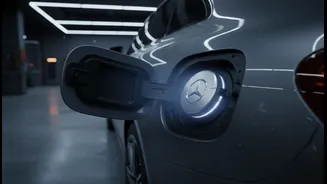
Confirming E20 compatibility is straightforward. All vehicles sold in India since April 2023 are required to be compliant with E20 fuel. Manufacturers typically place a sticker on the vehicle, often near the fuel lid, clearly stating 'E20 Compliant' or that the vehicle can run on petrol with up to 20% ethanol. This information is also listed in the owner's manual. When you're at the dealership, it's always a good idea to double-check with the sales representative. Opting for a certified E20-compatible model ensures that your vehicle's warranty remains intact and that it is fully equipped to run on the fuel that is now standard across the nation.