




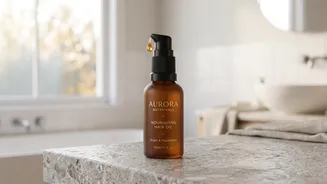
That frustrating halo of static flyaways and the persistent itch of a dry scalp are common complaints, especially during colder months. The culprit is often something you can't even see: a lack of moisture in your indoor environment.
The Problem with Dry Indoor Air
When temperatures
drop, we turn on our heating systems. While this keeps us warm, it also creates incredibly dry air inside our homes. Cold air naturally holds less moisture than warm air, and indoor heating further reduces the relative humidity. This dry atmosphere is thirsty, and it will pull moisture from any available source—including your skin, scalp, and hair. This process is the root cause of many seasonal beauty woes, from chapped lips and dry skin to brittle, staticky hair and an itchy, flaky scalp.
How Low Humidity Wreaks Havoc on Hair
Your hair is in a constant state of moisture exchange with the air around it. When the air is dry, it draws moisture out of the hair shaft, leaving strands dehydrated and brittle. This lack of moisture makes hair more susceptible to breakage and split ends. It also creates the perfect conditions for static electricity. Dry hair is a better insulator for electric charges, which build up as your hair rubs against hats, scarves, or even your brush, resulting in those frustrating flyaways. A dry environment similarly impacts your scalp, stripping it of the moisture needed to remain balanced and healthy, which often leads to tightness, itchiness, and flaking.
The Humidifier: An Effortless Solution
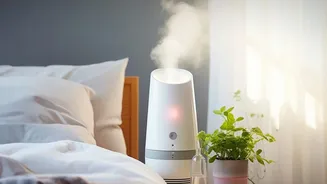
A humidifier is a simple yet effective device that adds water vapor back into the air, increasing the indoor humidity level. By reintroducing this moisture, you create an environment where your hair and scalp are no longer constantly losing hydration to their surroundings. Instead of being stripped of moisture, your hair can maintain its natural water content, which helps it stay smooth, strong, and less prone to static. Running a humidifier, especially in the rooms where you spend the most time like your bedroom or home office, can provide consistent relief.
Finding the Optimal Humidity Level
Balance is key. While dry air is problematic, excessively high humidity can also cause issues, such as making hair feel limp or promoting the growth of mould and dust mites in your home. Most experts, including the U.S. Environmental Protection Agency (EPA), recommend maintaining an indoor humidity level between 30% and 50%. This range is ideal for keeping your hair and skin hydrated without creating a hospitable environment for allergens. You can monitor your home's humidity with a small, inexpensive device called a hygrometer.
Tips for Using a Humidifier Effectively
To get the most out of your humidifier and ensure it remains a healthy addition to your home, a little maintenance is required. Always use distilled or demineralized water if possible, as this minimizes the release of fine white mineral dust into the air. It is also crucial to clean your humidifier regularly according to the manufacturer's instructions. This prevents the growth of bacteria and mould within the unit's water tank, which could otherwise be dispersed into the air you breathe. Placing the unit in a central location in the room, away from walls, ensures even moisture distribution.