


The Golden Backbone of Weddings
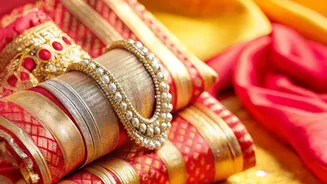
The numbers are staggering. Weddings are the single biggest driver of gold demand in India, accounting for approximately 50% of the country's annual consumption. Bridal jewellery alone commands a 50-55% share of the entire Indian gold jewellery market
by weight. With an estimated 10 to 13 million weddings taking place each year, this tradition creates a massive, recurring economic event. This demand isn't just a casual preference; it's a deeply embedded cultural phenomenon where families across all economic strata save for years to make significant gold purchases for a wedding, viewing it as an essential and non-negotiable expense.
A Symbol of Blessings and Purity
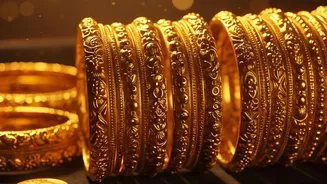
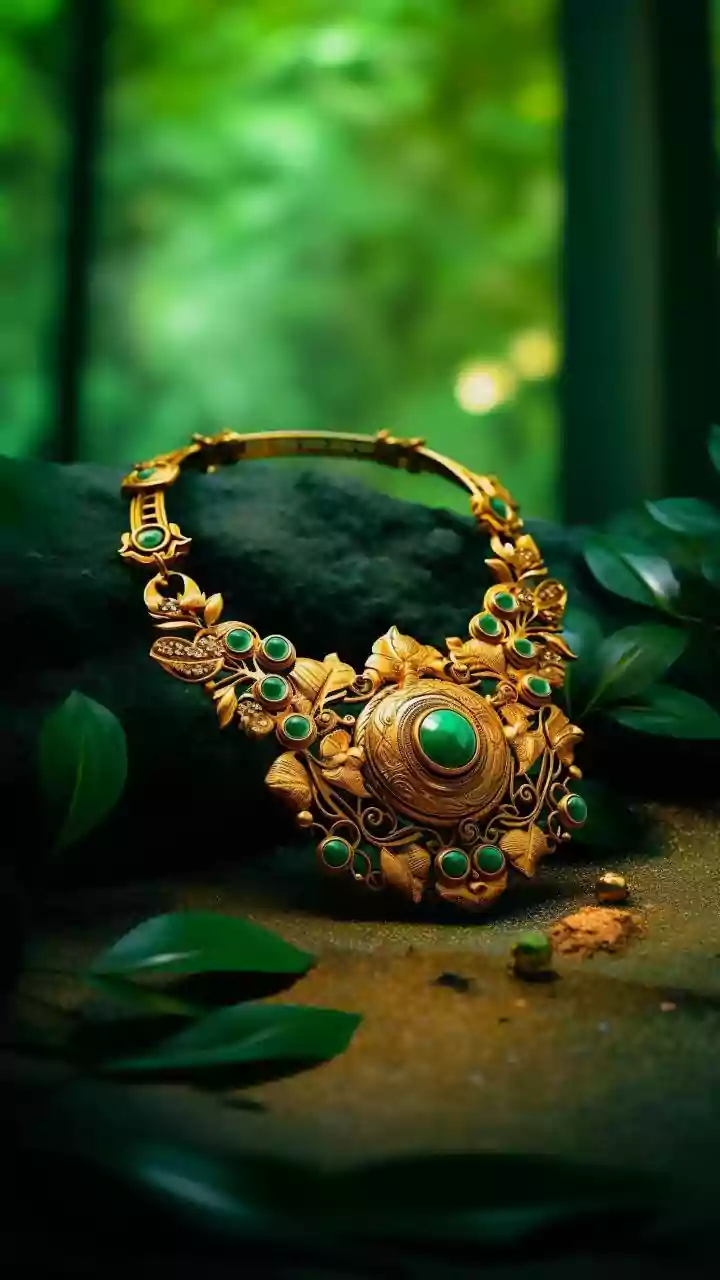
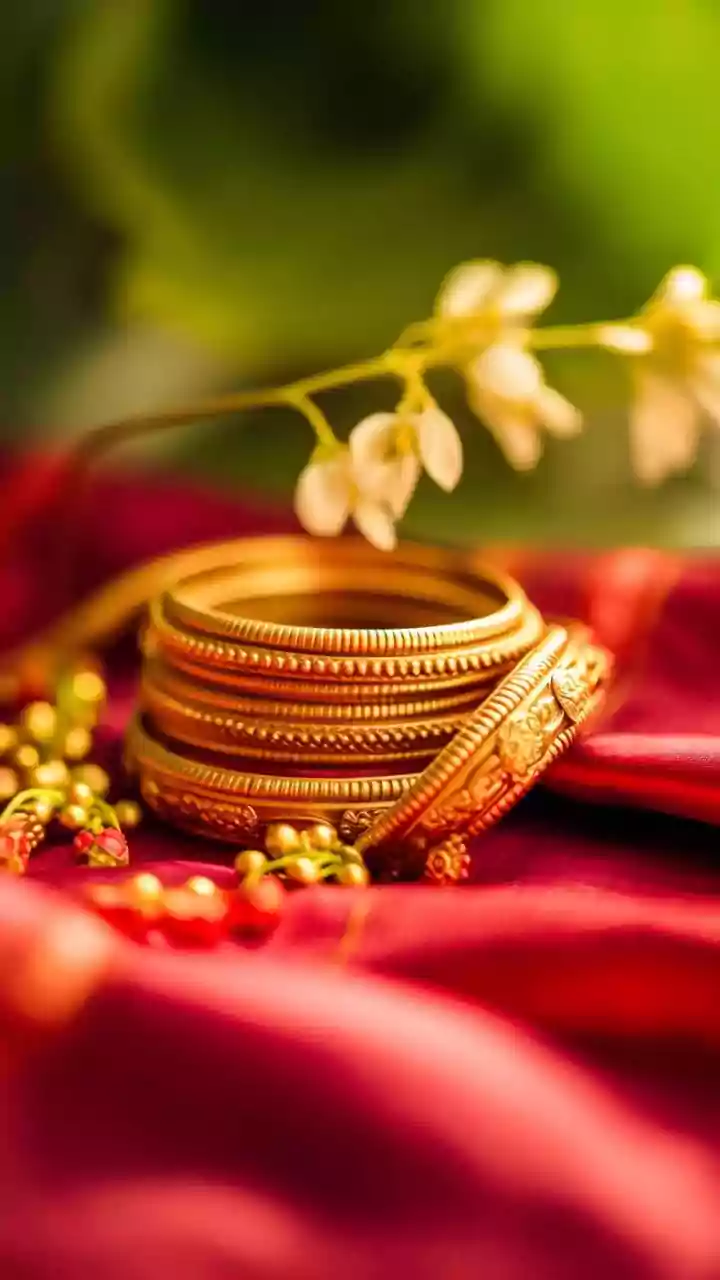
Gold's importance is rooted in centuries of spiritual and cultural beliefs. In Hinduism, it is the symbol of Lakshmi, the goddess of wealth, fortune, and prosperity. Gifting gold to a bride is seen as bestowing blessings for a prosperous and happy new life. The metal itself is considered pure and auspicious, believed to bring good luck and ward off evil. Its incorruptible nature—it doesn't rust or tarnish—symbolises eternity and divine purity, making it the perfect element for sacred occasions like weddings. This belief is so pervasive that gold features prominently in the wedding ceremonies of nearly all major Indian faiths, not just Hinduism.
A Woman's Financial Security
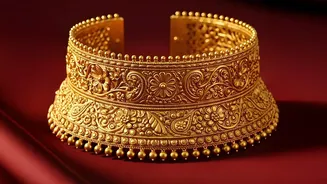
Beyond the symbolism lies a critical financial function. The gold a bride receives is traditionally considered her 'Stridhan'—literally, 'woman's wealth'. Rooted in ancient law, Stridhan is the property that belongs exclusively to the woman, providing her with a crucial form of financial security. Historically, it was a way for a daughter to receive her share of the family wealth, as property inheritance laws often favoured sons. Today, Indian law upholds that Stridhan is the wife's absolute property, which her husband or in-laws cannot claim. This makes the heavy gold sets worn by brides not just a display of status, but a portable and liquid asset that offers her personal financial independence.
A Measure of Status and Family Honour
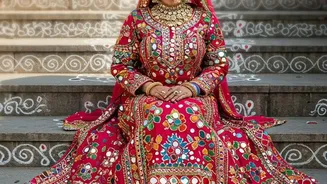
In the social theatre of an Indian wedding, gold is a powerful statement. The quantity and quality of gold gifted to the bride and worn by the family serve as a public declaration of wealth, status, and social standing. It reflects the family's prosperity and their ability to provide for their daughter. This social pressure can be immense, often leading families to spend beyond their means to meet societal expectations. The jewellery isn't just for the bride; gifts of gold are also exchanged between the two families, further cementing the metal's role as a currency of honour and social connection in the wedding landscape.
Modern Trends Meet Timeless Tradition
While the tradition remains strong, modern realities are causing shifts. With gold prices reaching record highs, many families are adapting. Some are opting for lighter, more minimalist designs that are practical for wear beyond the wedding day. Others are blending gold with diamonds and other stones or reviving heirloom pieces to manage costs. There's also a growing awareness among younger buyers about purchasing hallmarked jewellery to ensure purity. Despite these adjustments, the core principle is unchanged. Gold remains a fundamental part of the wedding ritual, symbolising a bright future and honouring a rich past, even if the expression of that tradition is evolving with the times.