




The Classic Monsoon Experience
For generations, enjoying the monsoon has been a relatively static affair. We watch from balconies, car windows, or office corridors as grey clouds gather and unleash their torrents. It’s an experience framed by architecture, a domestic spectacle accompanied
by the scent of wet earth and the sizzle of fried snacks. This classic view is intimate and beloved, a cornerstone of our collective cultural memory. We romanticise the water trickling down a windowpane and the distant rumble of thunder. It’s a beauty that is observed from a safe, dry distance, a painting we admire but don’t enter.
A Floating Cocoon of Glass and Water
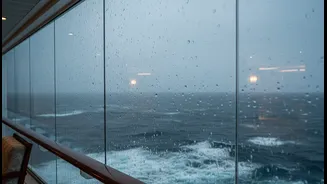
Now, imagine being on the water itself, encased in a moving bubble of glass. This is the promise of modern river and backwater cruises that have embraced the monsoon season. From the lush backwaters of Kerala to the mighty Brahmaputra in Assam, operators are offering journeys on vessels designed with panoramic, floor-to-ceiling glass walls. Inside these climate-controlled lounges, you are no longer a passive observer. You are part of the scenery. The rain doesn’t just fall in front of you; it cascades all around you, drumming a rhythmic symphony on the glass roof and walls. You are in the heart of the storm, yet utterly protected and comfortable, often with a warm cup of tea in hand.
Beyond the Balcony: A Shift in Perspective
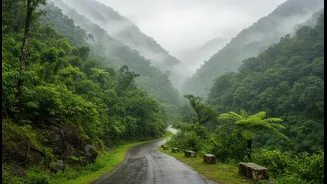
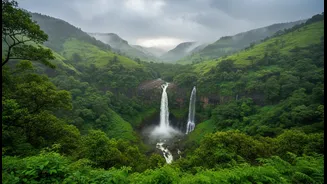
The key difference is the elimination of the frame. A window limits your view to a static rectangle, but a glass cruise deck offers an uninterrupted, 360-degree panorama of the world being reborn. You see the heavy curtains of rain sweeping across the entire expanse of a lake or river, witness how the wind animates the coconut palms lining the banks, and watch as the water’s surface explodes with a million tiny splashes. This shift in perspective transforms the monsoon from a weather event into an immersive, dynamic performance. You’re not just seeing the rain; you’re seeing the landscape’s dramatic response to it in real time, from the swelling of the canals to the impossibly vibrant green of the freshly washed foliage.
The New Theatre of the Monsoon
This experience is most profound in places like Kerala's Alleppey or on river cruises along the Hooghly. In Kerala, luxury houseboats now come equipped with glass-walled cabins and lounges, offering a front-row seat to nature's drama. While winter is the traditional tourist season, many now argue the monsoon provides the most authentic and visually stunning journey, with the added benefit of fewer crowds. On larger rivers like the Brahmaputra or the Ganges, luxury cruisers offer a similar feeling of immersion, combining panoramic views with Michelin-inspired cuisine and cultural talks. These vessels become floating theatres, where the main event is the raw, untamed beauty of the Indian monsoon.
Redefining a Seasonal Aesthetic
Ultimately, experiencing the downpour from a glass cruise redefines monsoon aesthetics by shifting the focus from passive observation to active immersion. It takes a familiar, almost domestic, pleasure and elevates it to something grand and theatrical. It’s a transition from a 2D picture to a 4D experience, complete with the sounds of the storm and the gentle sway of the boat. The aesthetic is no longer just about the visual—the silvery sheets of rain or the glistening leaves—but about the feeling of being held within the storm, of witnessing its power and beauty from a place of perfect comfort and safety. It connects us to the elemental power of the season in a way that looking out of a window never quite can.