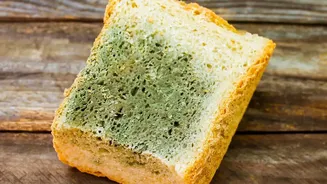


It’s a frustratingly common kitchen mystery: you reach into the pantry for a potato or onion, only to find it has prematurely sprouted or developed fuzzy mold. The culprit might be a surprising neighbor: your loaf of bread.
The Science of Stale Bread
Most people think bread goes
stale simply because it dries out. While some moisture is lost to the air, the primary cause is a process called starch retrogradation. When bread bakes, the starches absorb water and form a soft, gel-like structure. As soon as the loaf cools, these starch molecules begin to reorganize themselves into tighter, more crystalline structures. In doing so, they essentially squeeze water out from within the bread's crumb. This water migrates, moving toward the crust and, if the loaf is in a confined space, into the surrounding air, increasing the local humidity. It’s this internal shift, not just evaporation, that makes bread feel hard and stale. The loaf can feel dry even if it has not lost much of its total water content.
Why More Humidity Is a Problem
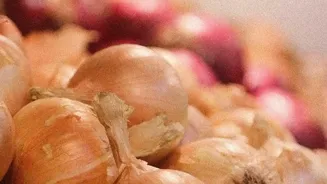
While a little humidity might sound harmless, it's a major problem for many pantry staples. Common vegetables stored at room temperature—like onions, garlic, and potatoes—thrive in cool, dark, and, most importantly, dry and well-ventilated conditions. When you store a loaf of bread next to them in an enclosed pantry, the moisture released during the staling process gets trapped. This extra humidity creates the perfect microclimate for mold and bacteria to flourish on your vegetables. High humidity is one of the key factors that accelerates spoilage, encouraging the growth of fungi and leading to mushy spots, off-flavors, and visible mold.
The Other Pantry Saboteur: Ethylene Gas
Moisture isn't the only invisible force at work in your pantry. Many fruits and vegetables release ethylene, a natural plant hormone that governs ripening. Onions are notable ethylene producers, and when stored near potatoes, the gas can cause the potatoes to sprout prematurely. This is why you should never store onions and potatoes together in the same bin. Keeping these items separate is just as important as managing moisture. A well-organized pantry accounts for both of these factors to maximize the shelf life of your produce.
Better Bread Storage Solutions
So, what’s the best way to store bread? First, never store it in the refrigerator. The cold temperatures actually accelerate the starch retrogradation process, making your bread go stale even faster. For shortterm storage (a few days), a breadbox is an excellent choice. It provides a cool, dark environment with just enough air circulation to manage moisture without drying the bread out. Alternatively, a paper bag works well for crusty loaves, as it allows the bread to breathe. If you won't finish a loaf within a few days, your freezer is your best friend. Freezing almost completely halts the staling process. Slice the loaf before freezing, so you can easily grab a piece and toast it from frozen.
Organizing Your Pantry for Freshness
To prevent a war between your foods, it's time to reorganize with a focus on separation and airflow. Store your bread in a dedicated breadbox or on the counter, away from your produce. Keep potatoes in a cool, dark place with good ventilation, like a paper or mesh bag. Store onions and garlic in a similar way but keep them physically separate from the potatoes—ideally on a different shelf or a few feet away. By giving each item its proper home, you prevent moisture and ethylene from creating a recipe for rot, ensuring your food stays fresher for longer and reducing waste.