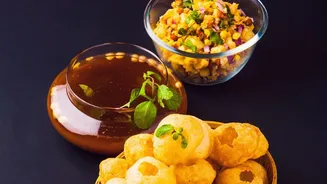


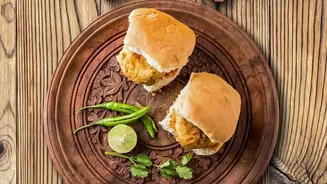

The sizzle of a hot tawa, the tangy punch of pani, the spicy aroma of chaat masala—Indian street food is an experience, a culture, and a joy. But what if you could capture that magic in your own kitchen, with a healthy twist?
The Irresistible Allure of the Streets
Let’s be honest: the charm
of street food is undeniable. From pani puri and vada pav to momos and kathi rolls, these dishes are woven into the fabric of daily life in India. They are quick, affordable, and bursting with flavours that are hard to replicate. For many, grabbing a bite from a favourite roadside stall is a cherished ritual, a moment of pure culinary delight in a busy day. This food isn't just about sustenance; it’s about community, tradition, and the vibrant, fast-paced energy of the city. We love it for its authenticity and the explosion of taste in every bite. The goal isn’t to replace this experience, but to understand how we can enjoy its essence more often without compromising our well-being.
The Hidden Costs of a Roadside Meal
While delicious, street food often comes with hidden health risks. A primary concern is hygiene. Many vendors operate in challenging conditions with limited access to clean water for washing ingredients or utensils. Studies have found that contaminated water and unwashed hands can lead to foodborne illnesses. Another major issue is the cooking oil. To keep costs down, oil is often reused for long periods. When oil is repeatedly heated, it can develop harmful trans fats and other toxic substances that are linked to heart disease and high cholesterol. Furthermore, many popular snacks are deep-fried and loaded with excessive salt and sugar to make them moreish, contributing to health issues like high blood pressure and obesity over time.
You Are the Head Chef and Quality Controller
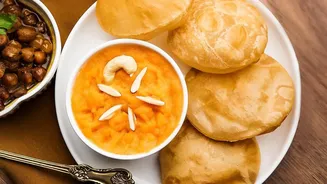
This is where the magic of home cooking comes in. When you make food at home, you have complete control over every single aspect of the meal. You choose the ingredients, ensuring vegetables are fresh and thoroughly washed. You control the oil, using fresh, high-quality oils and deciding on the cooking method. This power of choice is the single biggest advantage for your health. You can decide to use whole wheat flour for your puris or samosa wrappers, increasing the fibre content. You can make your chutneys from scratch, controlling the amount of sugar and salt. You can ensure your paneer is fresh and your chicken is lean. This level of control means you are no longer guessing about the quality or cleanliness of your food.
Simple Swaps for Healthier Favourites
Making street food healthier doesn't mean sacrificing flavour. It's about making smarter choices. Instead of deep-frying, try baking, air-frying, or pan-frying your snacks. Baked samosas or air fried kachoris can be wonderfully crisp without being saturated in oil. When making chaat, you can load it up with fresh vegetables and sprouts to add nutrients and crunch. For dishes like pav bhaji, you can reduce the butter and increase the quantity and variety of vegetables in the mash. Instead of creamy, high fat sauces for rolls, opt for fresh mint coriander chutney or a yogurt based dip. These simple adjustments significantly lower the calorie and fat content while keeping the authentic taste you crave.
Start Simple, Build Confidence
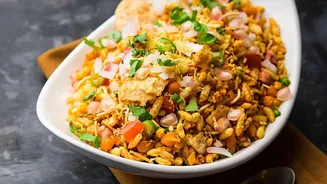
The thought of recreating complex street food recipes can be intimidating, but many classics are surprisingly easy to make. Start with something simple like Bhel Puri, which is mostly an assembly job of puffed rice, onions, potatoes, and chutneys. Or try making Dahi Vada, where you can pan fry the vadas instead of deep frying them. Even something like a paneer tikka or a simple kathi roll is straightforward. Marinate paneer or vegetables in yogurt and spices, grill them on a pan, and wrap them in a whole wheat roti. As you gain confidence, you can move on to more ambitious projects. The key is to start small and discover the joy of creating a healthier version of a dish you love.