

The End of the Catalogue Home
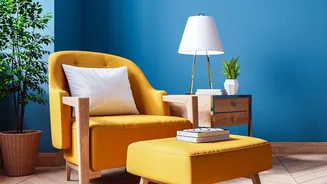
For years, the aspiration for many urban Indian homes was a look borrowed from international catalogues or social media feeds: sleek, minimalist, and often impersonal. But a significant shift is underway. Homeowners are growing tired of 'algorithm homes'
where the same linen curtains, cane furniture, and arched mirrors appear on a loop. There's a growing desire to move beyond generic layouts and create spaces that reflect personal history, taste, and cultural identity. This isn't just about decoration; it's a declaration of individuality. The home is no longer just a backdrop for life but a central character in the family's story, evolving from a space that simply 'looks good' to one that 'feels good' and, most importantly, feels uniquely yours.
The Rise of 'Newstalgia'
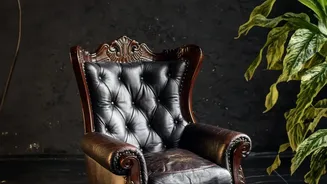
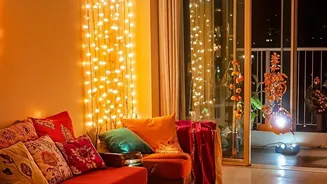
This trend of blending old and new has a name: 'Newstalgia'. It’s a design philosophy that combines modern aesthetics with a deep appreciation for the past. It’s not about creating a museum or a time capsule. Instead, it’s a curated, intentional fusion where every piece has a purpose. Think of a sleek, modern sofa adorned with hand-embroidered cushions, or a lovingly restored teak cabinet from a grandparent's home sitting beside a contemporary piece of art. This approach allows homeowners to honour their heritage and memories while living a thoroughly modern life. These heirloom pieces—a brass lamp, a carved wooden chest, a set of chairs from an ancestral home—bring a story and a layer of emotional resonance that brand-new items simply cannot replicate.
Craftsmanship and Conscious Choices
The move towards personalisation is deeply connected to a renewed appreciation for Indian craftsmanship and a growing consciousness around sustainability. There's a conscious revival of artisanal and culturally rooted decor. Homeowners are increasingly choosing to support local artisans by investing in handcrafted furniture, textiles, and decor items made using age-old techniques. This includes everything from intricately carved wooden furniture to handwoven dhurrie rugs and vibrant, block-printed fabrics. Simultaneously, upcycling and reusing old furniture is gaining traction not just for its economic benefits, but as an eco-friendly choice. Giving a new lease of life to an old piece of furniture by reupholstering it or refinishing it reduces waste and adds a unique character to the home.
Creating a Narrative Through Decor
In this new paradigm, the most luxurious homes are not those filled with the most expensive objects, but those that tell the most compelling story. The juxtaposition of different eras and styles creates a dynamic and interesting interior. An antique teakwood coffee table can become a stunning focal point in a contemporary living room. A refurbished door from an old haveli can be repurposed as a dramatic headboard or a piece of wall art. The key is the contrast; the texture of reclaimed wood looks richer next to a simple linen sofa, and the intricate details of a vintage brass pot shine brighter on a clean, modern shelf. This blending of styles is the ultimate form of self-expression, transforming a home from a collection of things into a cohesive, personal narrative.
How to Achieve the Personalised Look
Embracing this trend doesn't require a complete overhaul. The key is to start small and be intentional. Begin with one statement piece you truly love, perhaps an inherited item or a find from a local market, and build the room around it. Focus on creating a balance between old and new; if you have a traditional carved wooden jhoola (swing), pair it with a sleek modern sofa rather than more heavy, traditional furniture. Pay attention to textiles—cushions, throws, and curtains are easy ways to introduce traditional Indian patterns and textures. Finally, don't be afraid to mix materials. The warmth of unpolished wood, the gleam of brass, and the earthiness of terracotta can all coexist beautifully with modern materials to create a space that is layered, warm, and deeply personal.