




The Soul of Flavour
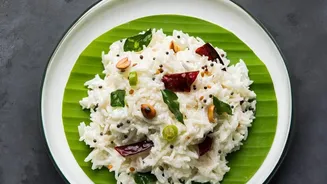
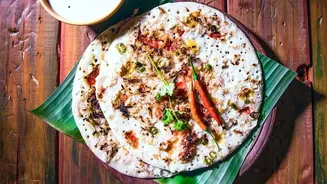
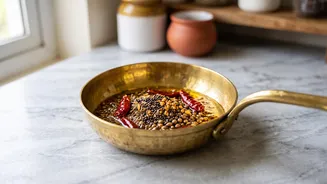
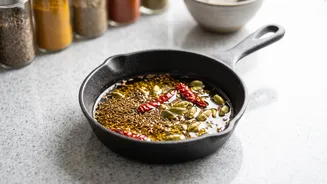
Known as tadka, chaunk, baghar, or phodni across India, spice tempering is the foundational technique of the nation's cuisine. It’s the process of briefly frying whole spices in hot oil or ghee to build a flavour base or add a finishing flourish. This
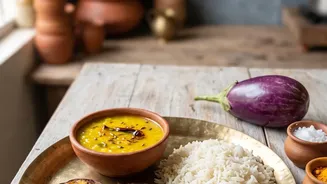
aromatic, infused fat is then added to dals, curries, vegetables, or chutneys, instantly transforming them from simple to sublime. For centuries, cooks have known this ritual is essential. Now, science can explain why this simple, 30-second act has such a profound impact on both taste and wellness.
The Science of the Sizzle
At its core, tempering is a lesson in chemistry and physics. The magic happens because the most important flavour and aroma molecules in spices—compounds like terpenes, aldehydes, and esters—are fat-soluble (lipophilic), not water-soluble. When you add spices directly to a water-based curry or dal, most of their aromatic potential remains locked away. However, when whole spices like cumin or mustard seeds hit hot oil (ideally around 180°C), a few things happen at once. The heat ruptures the tough cellular walls of the spice, releasing the volatile essential oils trapped inside. These aromatic compounds then dissolve into the hot fat, which acts as a perfect carrier, distributing the complex flavours evenly throughout the entire dish.
From Flavour to Pharmacy
This is where the process moves from the culinary to the medicinal. Many of the potent bioactive compounds in spices, lauded for their health benefits, are also fat-soluble. Tempering doesn't just make food taste better; it increases the bioavailability of these compounds, making them easier for our bodies to absorb. The most famous example is the curcumin in turmeric. Curcumin has powerful anti-inflammatory and antioxidant properties, but it's notoriously difficult for the body to absorb on its own. Heating turmeric in fat, as is done in a tadka, is a scientifically validated way to 'unlock' the curcumin, allowing it to dissolve into the oil and be more readily used by the body. Studies show that cooking turmeric with fat dramatically increases curcumin's absorption.
A Symphony of Spices
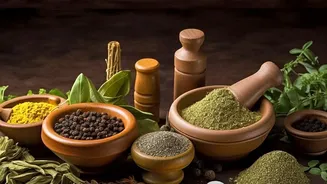
The benefits extend across the spice box. The pungent compounds in asafoetida (hing), known to aid digestion and reduce bloating, are released in hot oil. The piperine in black pepper, which famously boosts curcumin absorption by up to 2,000%, is also activated. Similarly, the essential oils in cumin, mustard seeds, and fenugreek, which have their own digestive and anti-inflammatory benefits, are extracted through tempering. By using hot fat as a solvent, you are essentially creating a small, potent, and highly absorbable medicinal concentrate that gets folded into your meal. Heat activates these properties, making them more impactful.
A Practical Guide to Perfect Tempering
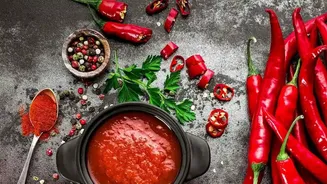
Understanding the science helps perfect the technique. The order in which you add spices is crucial because different spices have different burn points. Hard, dense seeds like mustard and cumin go in first, as they need more time. The audible 'pop' of a mustard seed is the sound of its cell wall fracturing, a sign that the flavour extraction has begun. More delicate items like dried red chillies, curry leaves, and asafoetida are added next as they can burn in seconds. Ground spices like turmeric or chilli powder should always be added last, often with the heat turned off, as their large surface area makes them burn almost instantly. Mastering this sequence ensures every spice is perfectly bloomed without becoming bitter.