



The Grain Revolution: Millets and Brown Rice
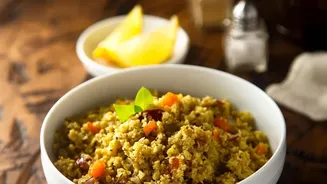
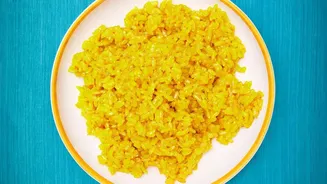
The most common swap is replacing polished white rice with whole grains. While brown rice is a great start, offering significantly more fibre, Indian millets are the true champions. Varieties like jowar, bajra, ragi, and foxtail millet contain vastly
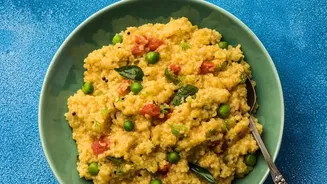
more dietary fibre than even brown rice. For instance, foxtail millet has about 8g of fibre per 100g, whereas white rice has a mere 0.2g. This high fibre content helps you feel full for longer and provides a slower, more sustained release of energy. Start by mixing a small portion of millets or brown rice with your regular white rice to get accustomed to the texture. They work wonderfully in khichdi, pulao, and even as a side for your favourite dal.
Flour Power: Choose Whole over Refined
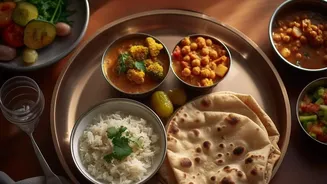
Maida, or refined white flour, is a staple in many snacks and breads like naan. A simple and effective swap is to use whole wheat flour (atta) instead. For an even bigger fibre boost, try mixing other flours like jowar, bajra, or ragi into your regular atta when making rotis or parathas. This not only increases the fibre content, which can be an extra 2-3 grams per roti, but also adds a lovely, earthy flavour and denser texture. You can also use these alternative flours to make healthier versions of pancakes or chillas, often enriched with vegetables for an extra nutrient kick.
Lentil Wisdom: Embrace the Whole Pulse
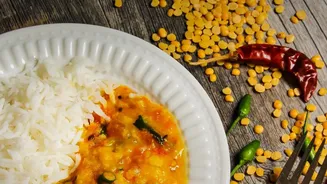
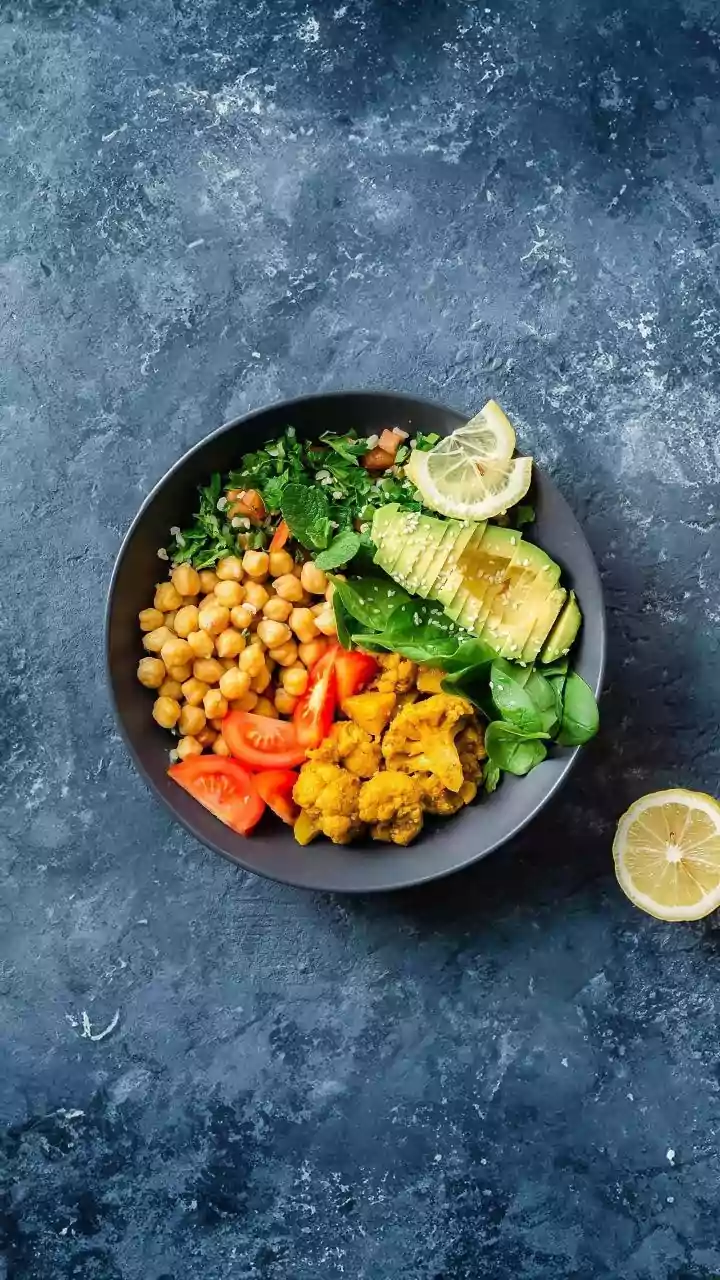
Indian cuisine is celebrated for its dals, but the type you choose matters. Split and polished lentils (like red masoor dal or yellow moong dal) cook faster because their fibrous outer skin has been removed. To increase fibre, opt for whole lentils and legumes with their skin intact, such as whole masoor, black chana, or rajma. These take longer to cook but retain their shape and provide a more substantial, fibre-rich meal. They are perfect for hearty curries, salads, and wholesome soups. A bowl of dal made from whole lentils can be significantly more filling and beneficial for digestive health.
Breakfast Boost: Rethink Your Morning Meal
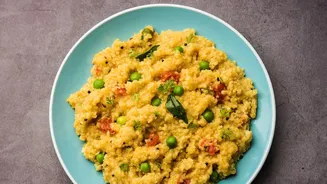
Breakfast is an easy meal to upgrade. Instead of poha made from refined white rice, try using red or brown rice poha, which retains its fibrous outer layer. Swapping instant oats for heartier options like steel-cut oats or daliya (cracked wheat) provides a more complex carbohydrate that digests slower. You can make a savoury daliya with lots of vegetables for a filling and nutritious start to your day. Even adding vegetables like peas and carrots to your regular upma or poha can significantly increase its fibre content without much effort.
Smart Snacking: From Fried to Fibre-Filled
Evening snack time often leads to fried, processed options. A healthier pantry allows for better choices. Roasted chana (chickpeas) and makhana (fox nuts) are excellent high-fibre, low-calorie alternatives. A small handful of nuts like almonds and walnuts, or seeds like flax and sesame, can also add a dose of fibre and healthy fats. Instead of reaching for a packet of chips, a simple bowl of sprouts chaat or some vegetable sticks with hummus can be both satisfying and incredibly beneficial for your gut health.
Fruitful Choices: Whole is Better Than Juice
While not a pantry swap in the traditional sense, changing how you consume fruit is crucial. Packaged fruit juices are often stripped of their natural fibre and can contain added sugars. Choosing to eat a whole fruit—like a guava, apple, or orange—provides you with all the dietary fibre that aids digestion and promotes satiety. Guava, in particular, is one of the most fibre-rich fruits readily available in India. Keeping a fruit bowl on your counter makes for a convenient and healthy snack that's far better than a glass of juice.