




Rethinking the Sweetness
The most significant shift in our daily brew is the conversation around sugar. With rising awareness about diabetes and weight management, many are questioning the spoonfuls of refined sugar that traditionally sweeten their chai. This has led to a surge
in the popularity of natural alternatives. Consumers are increasingly gravitating towards products with “no added sugar” or “reduced sugar” claims. While some are turning to jaggery for a more traditional, mineral-rich sweetness, others are exploring plant-based sweeteners like stevia. The goal isn't to eliminate the pleasure of a sweet cup of tea, but to make a more mindful choice that doesn't compromise on long-term health. This trend reflects a broader shift, with 81% of Indian consumers expressing concern over diabetes and weight gain, driving a demand for healthier options in everyday staples.
A Boost of Functional Ingredients
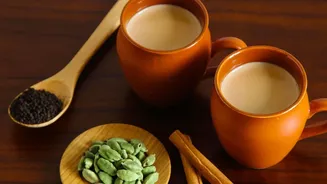
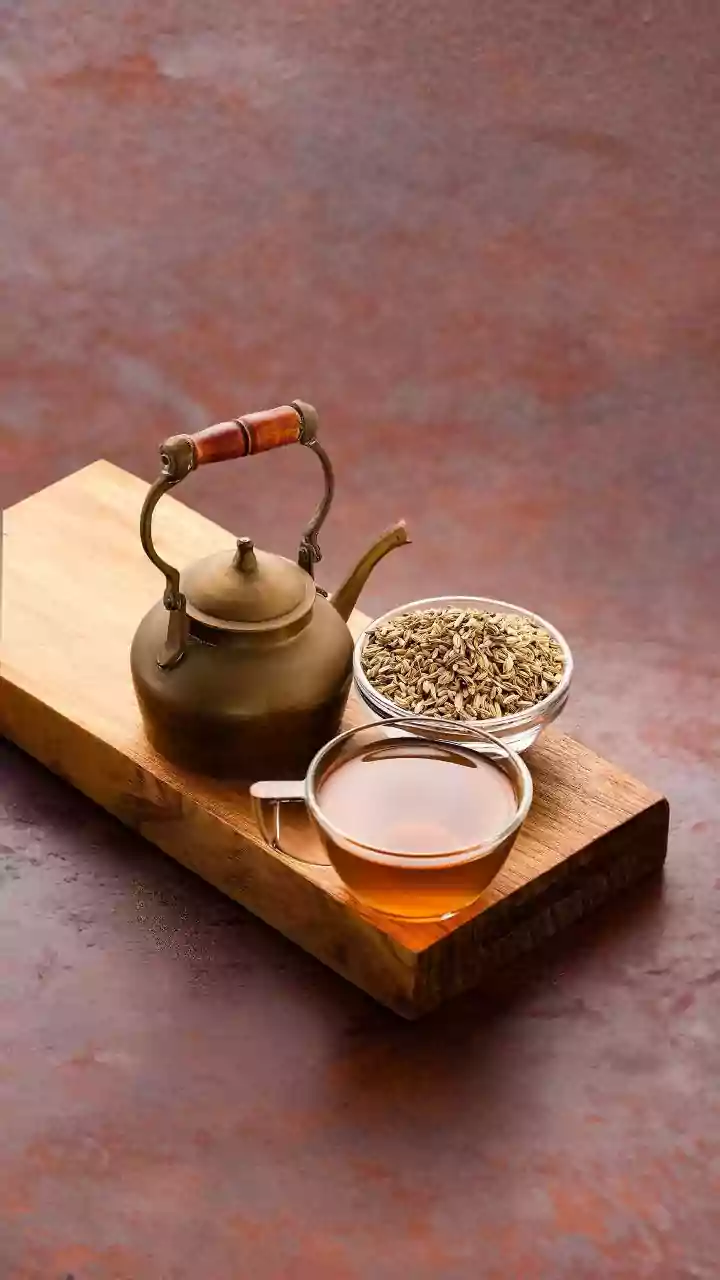
Beyond cutting down on sugar, Indians are actively adding functional ingredients to supercharge their daily tea. This is a modern revival of the ancient Ayurvedic practice of using spices for their medicinal properties. Traditional masala chai spices like ginger, cinnamon, cardamom, and cloves, once prized for flavour, are now celebrated for their health benefits. Ginger is known for boosting immunity and aiding digestion, while cinnamon can help regulate blood sugar. The new wave of wellness goes even further, with adaptogens like Ashwagandha, nutrient-dense moringa, and anti-inflammatory turmeric making their way into the morning cup. These additions are seen as a simple way to support holistic wellness, from managing stress to boosting immunity, turning a daily habit into a proactive health ritual.
The Snack Plate Gets a Makeover
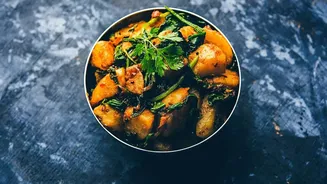
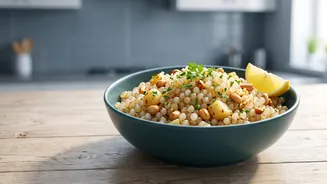
The nutritional lens is also being applied to the snacks that invariably accompany tea time. The deep-fried samosas, oily pakoras, and refined-flour biscuits are being swapped for healthier, yet equally satisfying, alternatives. Nutrition experts highlight that the 4 p.m. chai break is a crucial moment where small changes can lead to significant health gains. The market has responded with a boom in baked, not fried, snacks. Roasted makhana (fox nuts), puffed rice (murmura) bhel, and baked beetroot chips are becoming popular choices. Millets are also making a strong comeback in the form of millet biscuits and crackers, which provide sustained energy compared to their maida-based counterparts. Other options include roasted chana, sprouts chaat, and traditional til laddoos, which prove that healthy snacking doesn't mean sacrificing traditional flavours.
Mindful Choices, Not Sacrifices
This evolution isn't about restriction or giving up a beloved cultural institution. Instead, it's about making informed, mindful upgrades. It's driven by a post-pandemic surge in health consciousness and the accessibility of information. People are not just eating; they are thinking about what they're eating. The shift is from passive consumption to active wellness. This includes everything from choosing whole-wheat crackers over refined flour options to understanding the benefits of the spices in their tea. It's a recognition that long-term health is built on the foundation of small, consistent daily patterns. The idea is to enhance tradition, not erase it, by making choices that nourish the body while still comforting the soul.