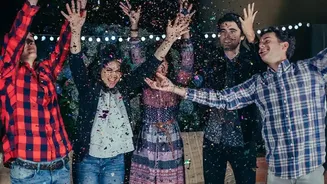






The classic gift box is facing new competition. A quiet but significant shift is underway in India, as more people, especially younger generations, trade material presents for memorable experiences. Here’s a look at why memories are winning.
From Possessions to Personal Stories
For generations,
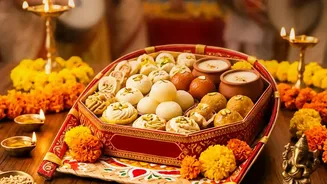
gifting in India has been a tangible affair—a box of sweets, a new saree, or an envelope of cash. But this tradition is evolving. Today, a growing number of Indians believe the best gifts aren't things you can hold, but stories you can tell. This pivot from products to experiences is driven by a deeper psychological shift. Many now see lasting value not in accumulating possessions, but in creating shared memories. According to a report by BookMyShow and EY, a staggering 78% of Indian consumers now prefer spending on experiences over physical products. This change reflects a desire for a more meaningful and less cluttered life, where a weekend getaway, a pottery workshop, or a gourmet cooking class holds more appeal than another gadget.
Millennials and Gen Z Lead the Change
This trend is being championed by India’s younger consumers. Millennials and Gen Z, who are often more digitally connected and globally aware, are redefining what they consider valuable. For them, happiness is often linked to personal growth, adventure, and unique moments worth sharing. Social media plays a significant role, as photos and videos of a trekking adventure or a music festival often feel more personal and expressive than a picture of a new watch. This generation is more intentional with their spending, prioritizing gifts that align with the recipient's interests and personality, making the gesture feel more personal and thoughtful. Instead of asking 'What should I buy them?', the question is becoming 'What can we do together?'.
What an 'Experience Gift' Looks Like
The spectrum of experiential gifts is vast and creative. It goes far beyond just travel vouchers. Popular options include adventure sports like paragliding in the Western Ghats or white-water rafting on the Ganges. For those less inclined towards adventure, wellness retreats offering Ayurvedic treatments, spa days, and yoga sessions are in high demand. Food remains a central part of Indian culture, and this is reflected in the popularity of curated food crawls through Mumbai's street markets, spice plantation tours in the south, or private dining experiences. Workshops and classes, from pottery and painting to learning a new recipe, offer the gift of a new skill. Even corporate gifting, long dominated by diaries and dry fruit boxes, is seeing a shift towards experiences that promote employee well-being and team connection.
The Booming Business of Memories
This consumer shift has fueled a burgeoning 'experience economy' in India. The sector is projected to nearly double from over $32 billion in 2024 to nearly $60 billion by 2029-30. A host of new startups and online platforms like Gifting Owl, Tinggly, and Wondergifts have emerged, curating and selling thousands of experiences across the country. These platforms make it easy to gift anything from a hot air balloon ride over Jaipur to a private tour of the Elephanta Caves. Traditional businesses are also adapting. Hotels are no longer just selling rooms; they are offering curated 'getaways' and local tours. Restaurants are creating special tasting menus and masterclasses to attract those looking for a unique culinary event.
More Than Just a Metro Trend
While the trend is most pronounced in major metropolitan areas like Mumbai, Delhi, and Bengaluru, it is not confined to them. The increasing digital penetration and rising aspirations in Tier‑2 and Tier‑3 cities mean that the desire for unique experiences is spreading. The convenience of online booking and digital gift vouchers makes these experiences accessible to a wider audience. Furthermore, not all experiences are expensive. A thoughtfully planned picnic, a walking tour of one's own city, or a homemade special dinner can be just as meaningful, proving that the trend is more about the intention than the price tag. This democratization of experiential gifting suggests a fundamental change in how Indians across the country are choosing to celebrate life's special moments.