



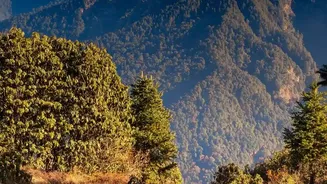
Sikkim's majestic mountains and serene monasteries are no secret. But beyond the popular tourist trails lies a quieter, more pristine world. This curated guide unveils the state's best-kept nature spots for an unforgettable Himalayan escape.
Dzongu Valley: A Protected Paradise
Tucked away
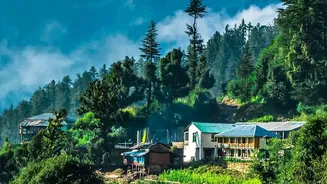
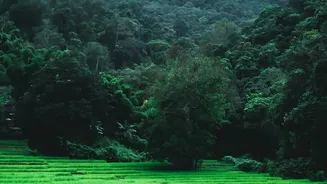
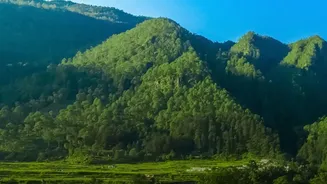
in North Sikkim, Dzongu is a triangular region reserved for the native Lepcha community, the original inhabitants of this land. This special protection means it remains blissfully untouched by commercial tourism. Getting here requires a permit, usually arranged through a local homestay, which is the only way to experience this valley. The landscape is a rich tapestry of dense forests, terraced fields of cardamom and rice, cascading waterfalls, and rushing rivers. Visitors can stay with Lepcha families, gaining intimate insight into their ancient culture, which reveres the mighty Kanchenjunga as a protector deity. It's an ideal destination for those seeking cultural immersion, with opportunities for gentle treks to remote monasteries like Tholung and Lingthem.
Zuluk: The Old Silk Route's Winding Wonder
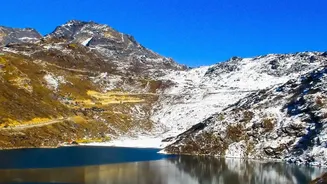
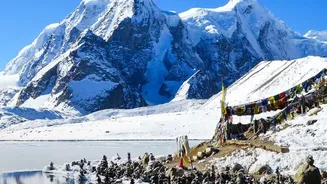
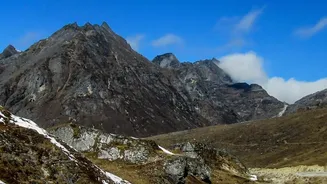
Perched high in East Sikkim, Zuluk is a small village that offers a thrilling journey back in time along the historic Old Silk Route. The main attraction is the astonishing road itself: a series of 32 hairpin bends that snake up the mountainside. Reaching an altitude of around 9,400 feet, Zuluk serves as a base for exploring this dramatic landscape. A pre-dawn drive to Thambi View Point, located at about 11,200 feet, rewards travellers with spectacular sunrise views over the Kanchenjunga range. The journey can be extended to Gnathang Valley, often called the 'Ladakh of the East', and the high-altitude Kupup Lake. As a restricted area, visiting Zuluk requires a permit, making it a well-preserved escape for adventure seekers.
Varsey Rhododendron Sanctuary: A Floral Spectacle
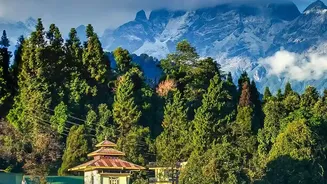
For flower enthusiasts and trekkers, the Varsey Rhododendron Sanctuary in West Sikkim is a slice of heaven. While beautiful year-round, it truly comes alive in spring (March to April) when countless rhododendron trees burst into a vibrant display of red, pink, and white blooms. The most popular way to experience the sanctuary is via a gentle 4-kilometre trek from Hilley. This easy-to-moderate trail winds through a dense forest of firs, junipers, and magnolias, with occasional clearings offering stunning views of the Kanchenjunga massif. The sanctuary, located at an altitude of about 10,000 feet near the Indo-Nepal border, is also a haven for high-altitude birds. For a truly immersive experience, visitors can stay overnight in a trekker's hut within the sanctuary.
Rinchenpong: For Tranquility and Mountain Views
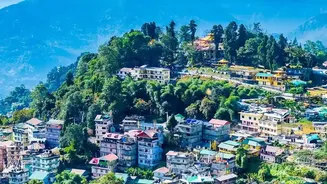
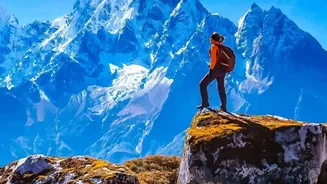
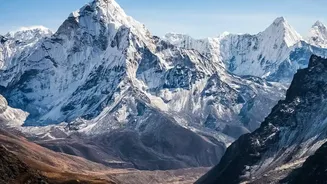
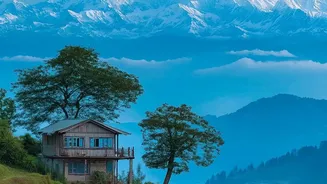
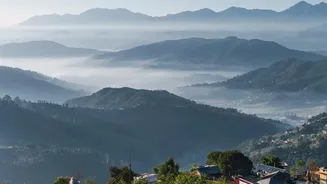
A quiet town in West Sikkim, Rinchenpong is the perfect antidote to crowded tourist hubs. It is celebrated for offering some of the most spectacular, unobstructed views of Mount Kanchenjunga and its surrounding peaks. Life here is slow and peaceful, inviting visitors to simply unwind and soak in the Himalayan atmosphere. The area is dotted with a couple of beautiful and historic monasteries, adding a spiritual dimension to its natural charm. A short distance away is the village of Kaluk, which is slightly more developed but shares similar stunning vistas. Rinchenpong is an ideal spot for those who want to experience the grandeur of the mountains without the rigours of a high-altitude trek, making it a perfect retreat for relaxation and reflection.
Tarey Bhir: A Walk Along the Edge
One of South Sikkim's most dramatic yet lesser-known wonders is Tarey Bhir, a 3-kilometre-long cliffside ridge. The name 'Bhir' means cliff in Nepali, and it aptly describes this natural formation which features a dizzying drop of over 10,000 feet. A stone pathway runs along the top of the ridge, creating a thrilling walkway for adventurous visitors. From here, you are treated to breathtaking panoramic views. On one side, you can see the confluence of the Teesta and Rangeet rivers, two of Sikkim's major waterways. On the other, the vista stretches across the plains of Bengal and, on a clear day, as far as the hills of Darjeeling and Kalimpong. It’s a spectacular spot for photography and for anyone looking to experience the sheer scale and grandeur of the Himalayan foothills away from any crowds.