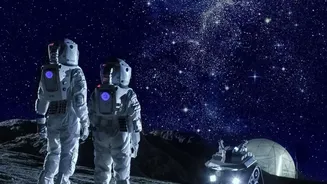



Humanity is returning to the Moon, but this time, the goal isn't just to plant a flag. A new wave of robotic cargo and rover missions is laying the groundwork for a permanent lunar presence, transforming science fiction into logistical reality.
Beyond Footprints: A Permanent Lunar Base
The focus
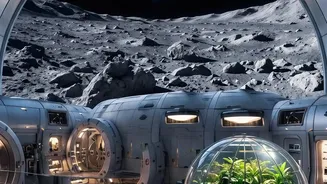
of lunar exploration has fundamentally shifted. Instead of short-term visits, the new ambition, spearheaded by NASA's Artemis program and its commercial partners, is to build a sustainable, long-term outpost on the Moon. In early 2026, NASA outlined a bold, multi-phase plan to establish a 'Moon Base' near the lunar south pole, a region believed to be rich in water ice. This infrastructure is seen as a crucial stepping stone, not only for sustained scientific research and a potential lunar economy but also as a proving ground for future human missions to Mars. The strategy involves moving away from a planned orbital station called the Gateway to prioritize the direct development of surface infrastructure. This ambitious project will require a steady stream of supplies, construction materials, and advanced robotic workers, setting the stage for a new commercial space race.
The Lunar Delivery Service
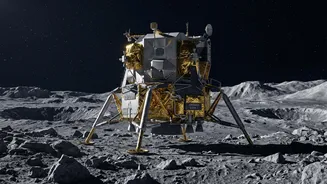
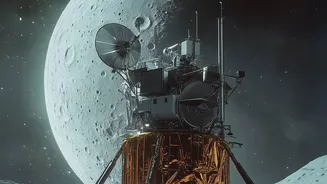
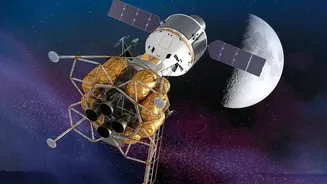
Getting materials from Earth to the Moon is the first major hurdle. To solve this, NASA established the Commercial Lunar Payload Services (CLPS) initiative, essentially creating a delivery service for the Moon. Through CLPS, NASA doesn't build the landers itself but buys space on spacecraft built and operated by private American companies. Companies like Intuitive Machines, Firefly Aerospace, and Blue Origin are developing a fleet of robotic landers capable of carrying scientific instruments, technology demonstrations, and infrastructure components to the lunar surface. Intuitive Machines has already conducted missions, and in June 2026, NASA awarded nearly $590 million in new contracts to the company, along with Astrobotic and Firefly, for a series of logistics flights scheduled for 2028. These missions will deliver everything from science experiments to the foundational hardware needed to begin assembling the base.
Robotic Pioneers on the Ground
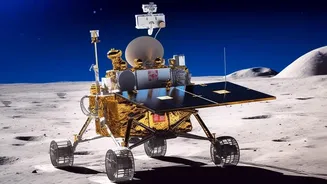
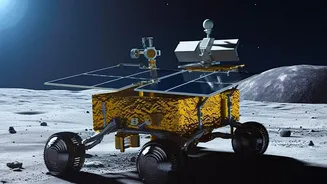
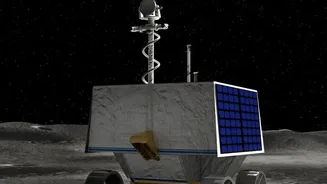
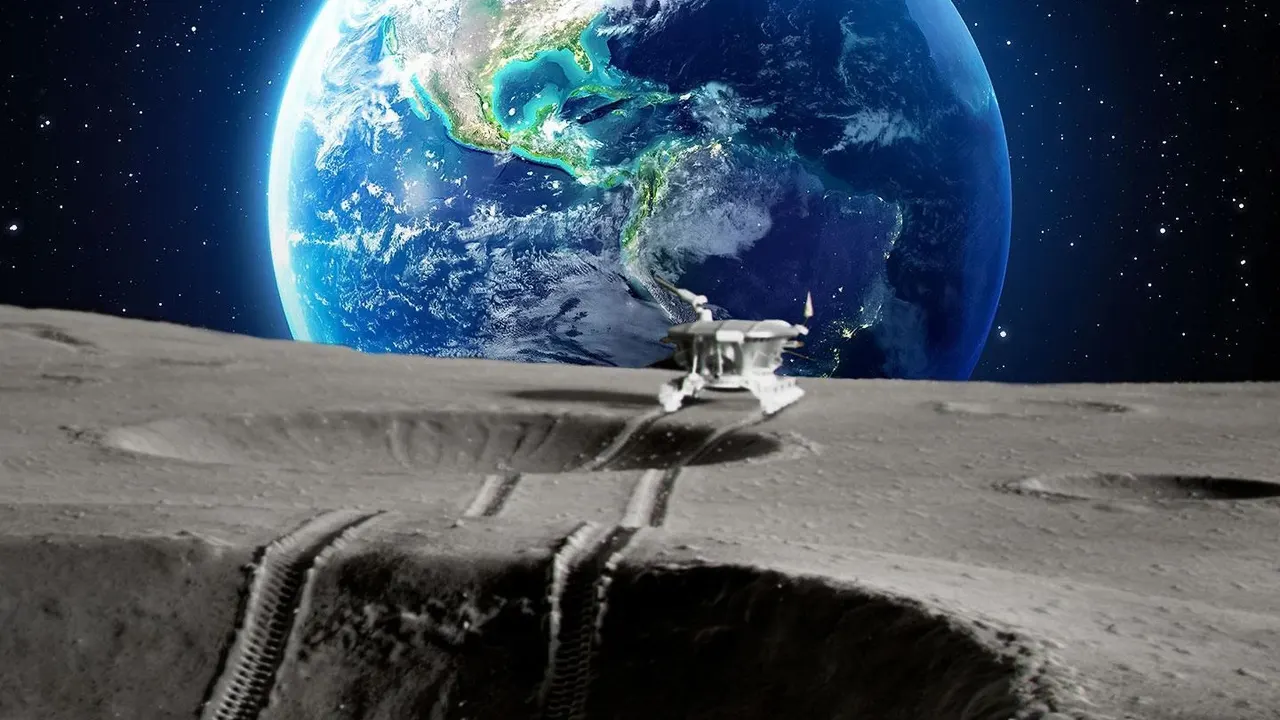
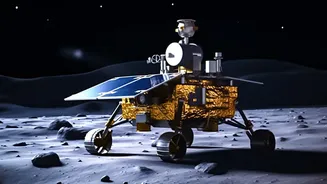
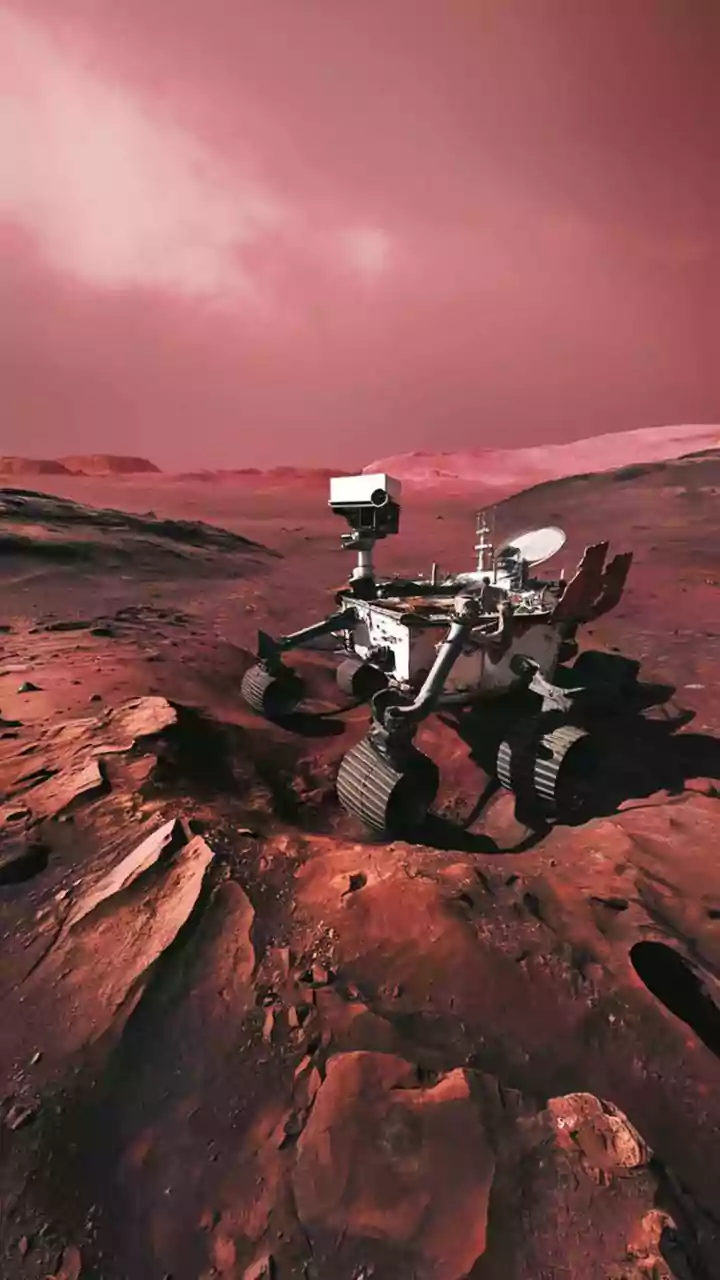
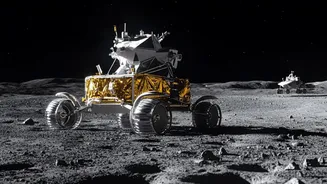
Once the cargo arrives, a ground crew is needed to scout locations, analyze resources, and eventually assist in construction. This is the role of the next generation of lunar rovers. These are not the simple buggies of the Apollo era. NASA's Volatiles Investigating Polar Exploration Rover (VIPER) is a golf-cart-sized robot designed to hunt for water ice in the permanently shadowed craters of the south pole. After being canceled in 2024 due to cost overruns, the nearly-complete VIPER was revived in 2025 and is now scheduled to be delivered by a Blue Origin lander in late 2027. Beyond VIPER, companies like Astrolab and Lunar Outpost are developing larger, more robust rovers under NASA contracts. Astrolab's FLEX rover, for example, is designed for both robotic cargo transport and future crewed missions, with a test version called FLIP slated to land in late 2026 on Astrobotic's Griffin Mission One. These rovers are the autonomous pioneers mapping the terrain and testing the technologies needed to live and work on the Moon.
What Are They Building?
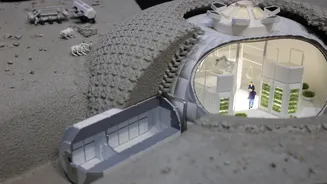
The initial infrastructure missions are focused on creating the foundational elements needed for survival. This includes deploying power systems, like solar arrays on sunlit ridges and potentially a small nuclear fission reactor for continuous power, even during the 14nday lunar night. Another key objective is in_situ resource utilization (ISRU), which means learning to live off the land. Experiments like the Polar Resources Ice Mining Experiment -1 (PRIME -1), delivered by an Intuitive Machines lander, are designed to drill into the lunar soil, or regolith, and analyze it for water ice. This ice could one day be converted into drinking water, breathable air, and even rocket fuel, drastically reducing the cost and complexity of future missions. Other early construction will likely include landing pads to minimize dust contamination from arriving spacecraft and basic habitats, which will be assembled and tested before the first long -duration astronaut crews arrive.