




The Perfect Storm of Accessibility
A few years ago, a trip to Vietnam from India often involved long layovers and complicated visa processes. Today, that has completely changed. A massive expansion of direct flights from airlines like IndiGo, VietJet Air, and Air India has connected major
Indian hubs like Delhi, Mumbai, and Kolkata directly to Hanoi and Ho Chi Minh City. This has slashed travel time to a manageable four to five hours, making a week-long trip feasible without losing two days in transit. Compounding this is Vietnam's simplified e-visa policy for Indian citizens. The online process is quick, often taking just a few business days, and provides a 90-day visa, removing a significant barrier that once made other nearby countries more appealing. This combination of fast flights and easy visas has created a perfect storm of accessibility, putting Vietnam firmly on the map for spontaneous and planned holidays alike.
More Experiences for Every Rupee
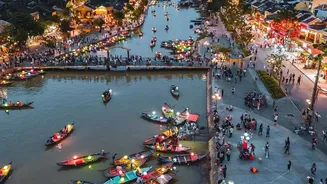
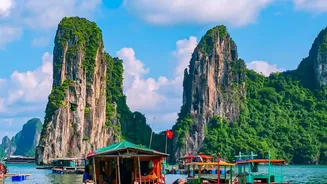
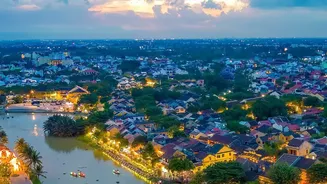
The single most powerful driver of Vietnam's popularity is its incredible value for money. For the cost-conscious but experience-hungry Indian traveller, Vietnam offers a compelling proposition. A mid-range trip can cost between ₹70,000 and ₹1,10,000 per person for about a week, a fraction of what a similar European holiday would demand. Daily expenses on food, internal transport, and accommodation are significantly lower than in many other tourist hotspots. A delicious street food meal can be had for just a couple of hundred rupees, and comfortable hotels are available at prices that would only secure a basic room elsewhere. This affordability allows travellers to do more without constantly worrying about their budget. They can take an overnight cruise in the stunning Ha Long Bay, explore the lantern-lit streets of Hoi An, and experience the vibrant city life of Ho Chi Minh City, all within a single, reasonably priced trip. This isn't about being cheap; it's about being smart with money to maximise experiences.
A New Definition of 'Foreign' Travel
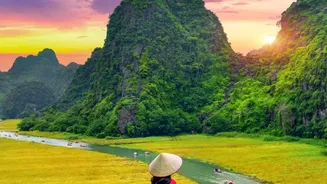
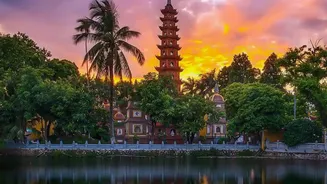
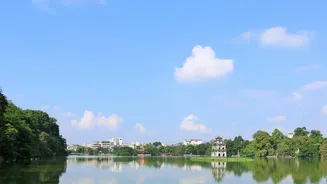
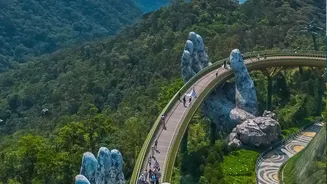
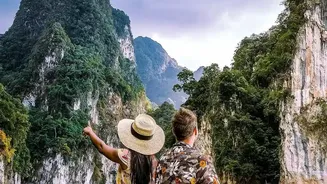
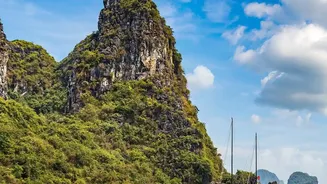
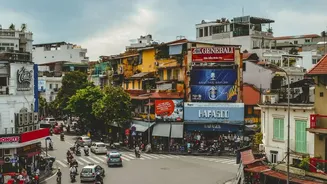
The definition of a great international holiday is changing for many Indians. The prestige of a European or American stamp in the passport is being replaced by the desire for unique, shareable experiences. Vietnam delivers perfectly on this front. Its diverse offerings cater to a wide range of interests, from the dramatic limestone karsts of Ha Long Bay to the terraced rice fields of Sapa and the bustling markets of Hanoi. The country offers a rich cultural and historical tapestry that feels both adventurous and immersive. For many Indian travellers, there's also a sense of cultural familiarity in the vibrant street life and family-centric values. This shift is also visible in the growing demand for services catering to Indians, with a notable increase in Indian restaurants, ensuring comfort for those who crave familiar food. The travel itself has become more purpose-driven, with many exploring MICE (Meetings, Incentives, Conferences, and Exhibitions) tourism, destination weddings, and educational tours.
Portrait of the Smart Indian Traveller
The Vietnam boom is a clear reflection of the modern Indian globetrotter: digitally savvy, research-oriented, and confident. Today’s travellers are moving beyond pre-set package tours and are increasingly planning their own trips, valuing flexibility and control. They are influenced by social media and online content, seeking destinations that are not only beautiful but also offer authentic stories. This new generation of travellers is less focused on traditional status symbols and more on personal enrichment, adventure, and creating memories. The willingness to explore destinations like Vietnam, the Philippines, or Georgia shows a growing confidence in navigating the world on their own terms. They are smart about value, understanding that a lower cost doesn't mean a lesser experience. Instead, it means the freedom to travel more often and more deeply. This evolution from tourist to traveller is perhaps the most significant trend of all.