





Why Price Isn't the Best Measure of Quality
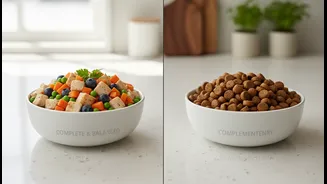
A premium price on pet food doesn't always reflect superior nutrition. Often, the cost is driven by marketing campaigns, elaborate packaging, and the inclusion of trendy or exotic ingredients that appeal more to pet owners than they benefit pets. Ingredients
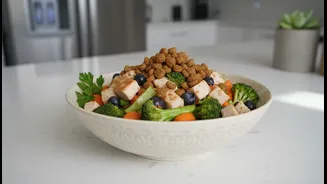
like bison, quinoa, or blueberries can increase the price, but they aren't necessarily more nutritious than classic, well-researched ingredients like chicken and corn when formulated correctly. Conversely, some very inexpensive foods might use lower-quality ingredients or fillers that offer little nutritional value. The key is to look beyond the price and marketing to understand what's actually in the food.
The Most Important Thing to Look For
Instead of focusing on price, turn the bag over and find the nutritional adequacy statement from the Association of American Feed Control Officials (AAFCO). This is the single most important piece of information on the label. This statement confirms that the food is “complete and balanced” for a specific life stage, meaning it contains all the necessary nutrients in the correct ratios. Look for phrases like “formulated to meet the nutritional levels established by the AAFCO Dog Food Nutrient Profiles for...” followed by a life stage, such as “Growth” (for puppies) or “Adult Maintenance.” If a food lacks this statement, it should not be used as your pet's primary source of nutrition.
Decoding Common Marketing Buzzwords
Pet food marketing often mirrors human food trends, leading to a rise in buzzwords that can be confusing or misleading. "Natural" simply means the ingredients come from plant, animal, or mined sources, but it's not a guarantee of nutritional superiority. "Human-grade" suggests the food is made in a facility that follows human food production standards, but it doesn't automatically mean the diet is better formulated for a dog or cat's unique needs. Perhaps the most pervasive trend is "grain-free." For most pets, grains are a valuable source of energy and nutrients, and a grain-free diet is only necessary for the small number of pets with a specific grain allergy diagnosed by a veterinarian.
Matching the Food to Your Pet
The best diet is one that is matched to your pet's individual needs. These needs change throughout their life. Puppies and kittens require more calories and nutrients for development than adult animals. Senior pets, on the other hand, may need fewer calories but more joint support. Breed size is another critical factor. Large-breed puppies have specific calcium requirements to ensure their bones grow at a healthy rate, while small-breed dogs may need smaller, more calorie-dense kibble. If your pet has a health condition like allergies or kidney disease, a special diet recommended by your vet is essential.