





An Economic and Cultural Lifeline
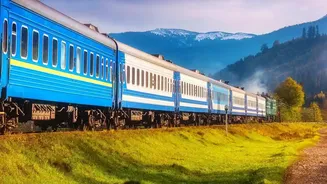
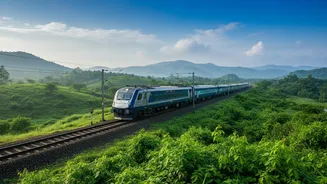
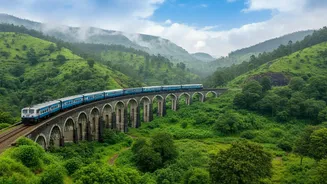
The railway line stretching from Mumbai down the Konkan coast to Sawantwadi is more than just tracks and signals; it's a vital artery. For decades, it has been the primary conduit for workers, students, traders, and families connecting the bustling metropolis
with the scenic, but less economically developed, districts of Ratnagiri and Sindhudurg. People from the Konkan region form a significant part of Mumbai's workforce, and this rail link is often the most affordable and practical way for them to travel to their native places, especially during major festivals like Ganesh Chaturthi. This route is a lifeline, facilitating not just travel but also the flow of goods, money, and culture that sustains communities at both ends.
The Promise of a Daily Express
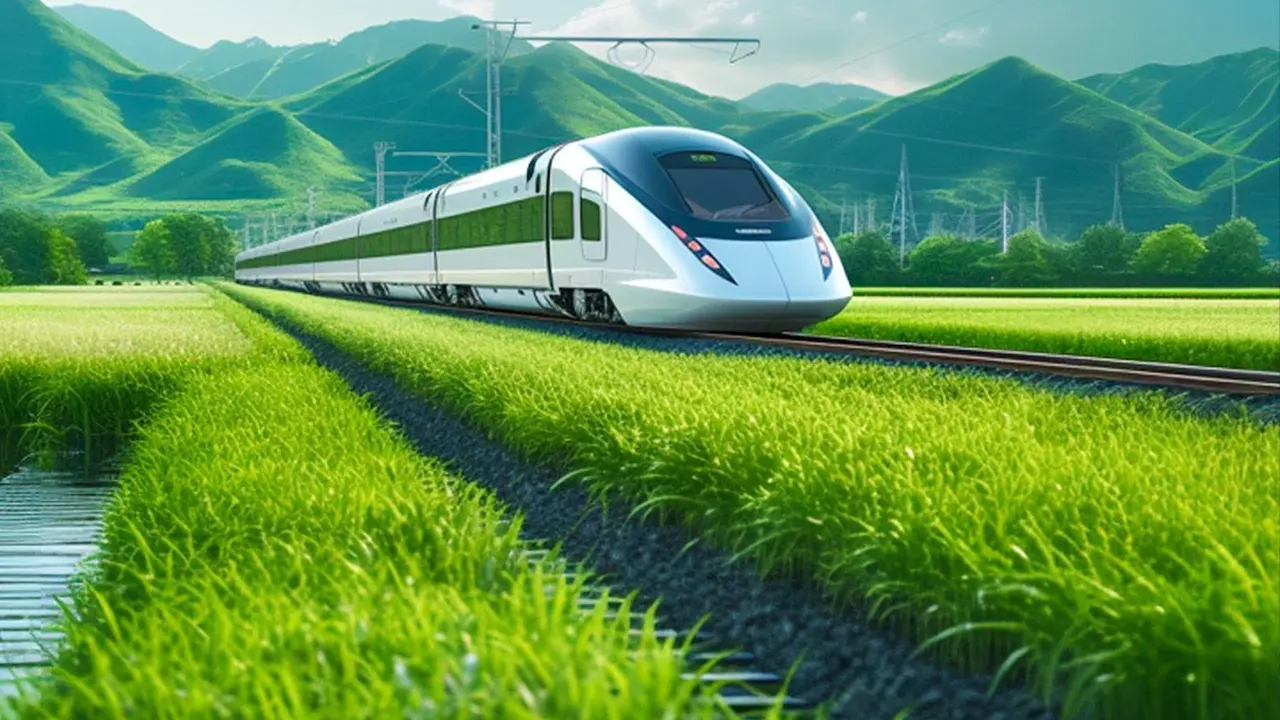
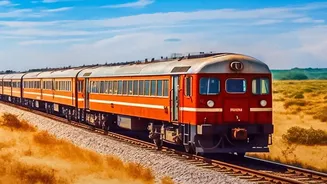
Recently, Indian Railways approved a new daily express service between Mumbai's Chhatrapati Shivaji Maharaj Terminus (CSMT) and Sawantwadi Road. This move is officially aimed at strengthening connectivity, boosting tourism to the Konkan's beaches and temples, and supporting the regional economy. The new train, operating as Train No. 15087/15088, will feature 22 commercial stops, including key towns like Panvel, Roha, Chiplun, and Ratnagiri, covering the 510-kilometre route. For long-distance travellers and tourists, a daily, reliable express service is a significant upgrade, promising faster and more comfortable journeys on one of Maharashtra's busiest railway corridors.
A Disconnect for the Daily Commuter
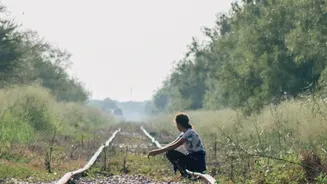
However, the celebration of a new express train overlooks a more granular, daily reality. The very nature of an 'express' train means it is designed for speed between major hubs, often bypassing smaller stations. This is where the headline's 'daily rail access' comes into focus. For a person travelling from a small village to a nearby town for work, or for a student attending a college a few stations away, an express train that doesn't stop at their station is of little use. Passenger associations have long argued that while new long-distance trains are welcome, the more pressing need is for robust local and passenger train services. These are the services that cater to the rhythm of daily life, with timings and halts that serve the actual needs of the local populace, something an express train often fails to do.
The Ripple Effect on Local Life
The distinction between a long-distance express and a local passenger service has tangible consequences. When passenger trains are infrequent or their timings inconvenient, it places a direct strain on the daily commuter. This has been a recurring issue, with passenger rights groups highlighting that Maharashtra, despite being a major equity holder in the Konkan Railway, has historically had few dedicated services for its own residents. The challenge is compounded by the fact that the Konkan Railway is a single-line route, where an increase in services can lead to operational challenges and frequent delays. For those dependent on daily rail access, a new express service can feel like a solution that doesn't address their fundamental problem: getting to work and back home reliably and affordably each day.