


Start with a Visual Sweep
Your first step should be a simple walk-around. Look for obvious hazards that weren't there before the rain. This includes large puddles that might conceal uneven ground or tripping hazards like exposed roots or rocks. Heavy rain can also wash away or displace
loose-fill surfaces like wood chips or gravel, creating an unstable footing. Pay attention to the overall area, not just the equipment itself. Check for any new debris, broken glass, or fallen branches that could interfere with your workout or cause an injury. A quick scan can save you from a nasty surprise mid-lunge.
Check for Slipperiness on All Surfaces
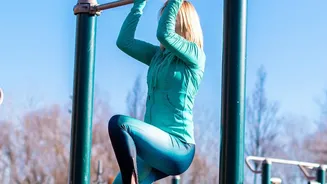
This might seem obvious, but it’s the most immediate risk. Metal bars, plastic seats, and footplates can become extremely slick when wet, increasing the risk of falls and strains. Firmly grasp pull-up bars and handles to test your grip. Check the surfaces where you'll place your feet, especially on equipment like leg press machines or steppers. Even if a surface looks dry, a thin film of moisture can be deceptive. It's wise to carry a small towel to wipe down handholds and seats before you begin. This not only improves your grip but also provides a layer of hygiene.
Inspect for Rust and Coating Damage
Rain is a primary catalyst for rust, which occurs when water and oxygen react with iron or steel. Most outdoor equipment has a protective powder coating, but chips, scratches, or general wear can expose the metal underneath. Run your hands carefully over painted surfaces to feel for flaking paint or rough, corroded patches. Rust not only weakens the structural integrity of the equipment over time, making it less safe, but it can also flake off onto your hands and clothes or cause cuts from sharp edges. If you see significant rust, especially at joints or welds, it’s best to avoid that piece of equipment.
Test the Structural Integrity
Before putting your full body weight on any apparatus, give it a good push and pull. Check for any wobbling, shaking, or unusual movement. The ground can soften after a heavy downpour, potentially compromising the stability of the equipment's anchors. Pay close attention to bolts and fasteners, which can loosen over time due to vibration and temperature changes. This is especially critical for equipment that involves hanging or swinging, such as pull-up bars and parallel bars, where equipment failure could lead to a serious fall. If anything feels loose or unstable, move on to a different machine.
Examine Moving Parts
For equipment with moving components, like outdoor ellipticals, exercise bikes, or chest presses, rain can cause issues beyond just surface slipperiness. Water can seep into bearings and joints, washing away lubricant and causing parts to grind or seize. Move the parts through their full range of motion. Listen for any grinding, squeaking, or scraping noises, and feel for resistance that wasn’t there before. A smooth, quiet motion is a sign that the machine is in good working order. If the movement is jerky or noisy, it's a signal that the internal mechanisms may be compromised.
Don't Forget About Hygiene
Standing water in seats or on surfaces doesn't just make things wet; it can become a breeding ground for bacteria and mould. Wiping down surfaces is not just for grip but also for cleanliness. Health experts recommend using a simple disinfectant wipe or a cloth with a mild cleaning solution to clean any surfaces your skin will touch. Pay extra attention to handles, seats, and backrests. And if you have any cuts or open wounds on your hands, it's best to reconsider your workout or wear protective gloves to prevent infection.