






An Emerald Paradise Awaits
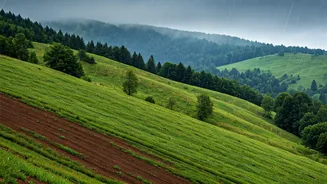
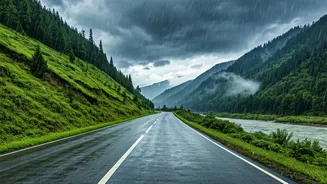
Imagine a landscape washed in a million shades of green, where mist hangs mysteriously over rolling hills and waterfalls roar back to life. This is Sikkim from June to September. While many parts of India's mountains become inaccessible, Sikkim's beauty
is simply transformed, offering a different kind of magic. The monsoon accentuates the state's raw, natural charm, with lush forests, vibrant wildflowers, and an atmosphere of profound peace. The weather is often a pleasant mix of moderately warm days and cool nights, perfect for enjoying a hot cup of local Temi tea. It’s a time of fewer tourists, meaning more space and silence to connect with the serene environment, often at lower off-season prices.
Monsoon-Friendly Destinations
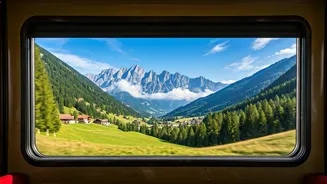
While some high-altitude areas in North Sikkim, like Lachen and Gurudongmar Lake, can be risky due to landslides, much of the state remains safe and welcoming. East, West, and South Sikkim are fantastic choices for a monsoon journey. Gangtok, the capital, buzzes with a cosy charm; its car-free MG Marg is perfect for a rainy day stroll, ducking into cafes for hot momos and thukpa. Pelling, in West Sikkim, offers dramatic views of clouds parting to reveal the Kanchenjunga range, alongside visits to the historic Pemayangtse Monastery and the ancient Rabdentse Palace Ruins. In the south, the peaceful towns of Namchi and Ravangla, with their giant statues and tranquil monasteries, feel even more spiritual when enveloped in mist.
Experiences Unique to the Season
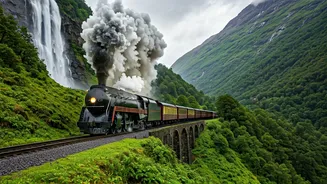
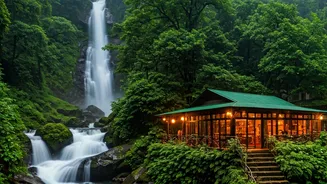
The monsoon unlocks experiences you can't have at any other time of year. Waterfalls like Banjhakri Falls near Gangtok and Kanchenjunga Falls near Pelling are at their most spectacular, thundering down with immense force. A drive through the countryside reveals countless temporary cascades streaming down emerald hillsides. It's the perfect season for what the locals call 'slow travel'—lingering in a monastery like Rumtek, listening to the rain and chanting monks, or simply watching the clouds drift by from your hotel window. For the culturally inclined, some local festivals, like the Drukpa Tshechi festival, fall during this period, offering a glimpse into Sikkimese traditions.
Travel Smart and Stay Safe
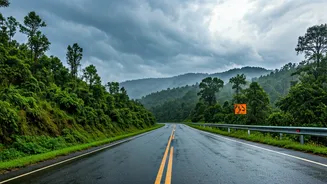
Travelling to Sikkim during the monsoon does require some planning and flexibility. Landslides and road closures, particularly on the main highway NH-10, can cause delays. It's crucial to build buffer days into your itinerary and avoid travelling at night. Hiring an experienced local driver who understands the mountain roads is highly recommended. Pack wisely: a high-quality raincoat, waterproof shoes with good grip, quick-drying clothes, and a waterproof cover for your backpack are non-negotiable. Always check daily weather and road condition updates before setting out. While some might see these as challenges, they are part of the adventure, rewarding the prepared traveller with a truly unique Himalayan experience.