


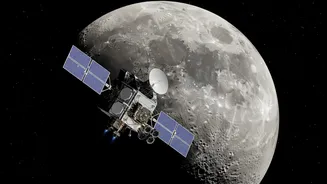


A Pathfinder for Our Return to the Moon
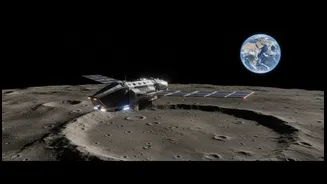
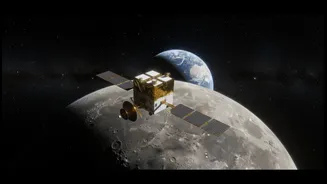
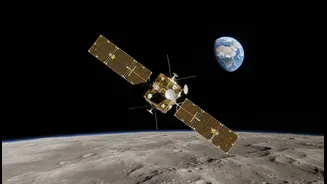
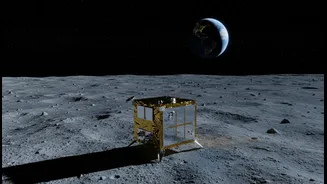
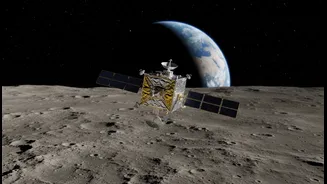
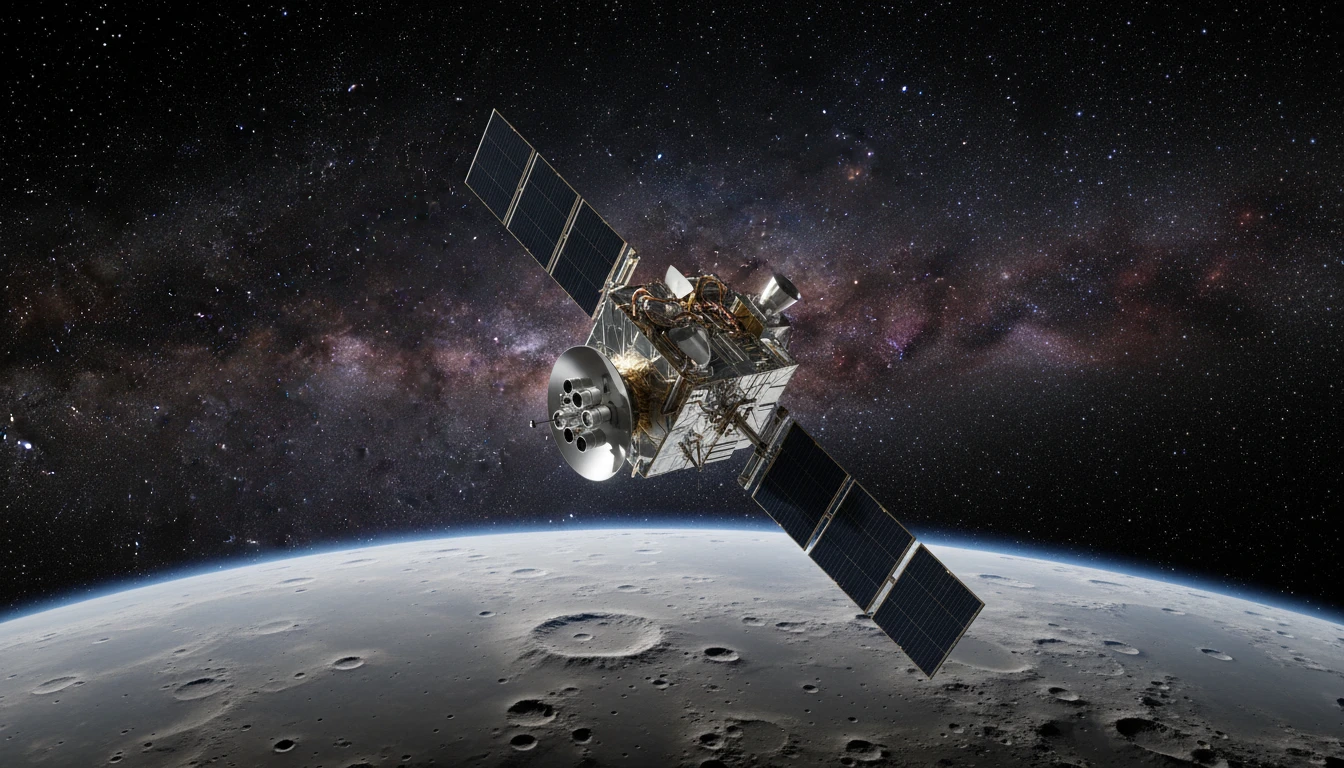
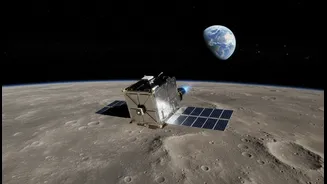
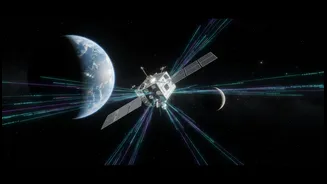
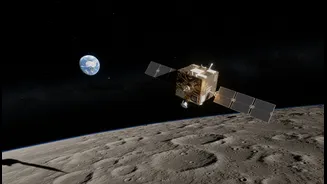
Launched in June 2022, CAPSTONE—short for Cislunar Autonomous Positioning System Technology Operations and Navigation Experiment—had a primary job that was crucial for NASA's Artemis program. Its mission was to be the very first spacecraft to fly in a unique
near-rectilinear halo orbit (NRHO) around the Moon. This highly elliptical path is a gravitational sweet spot, balanced between the Earth and Moon, making it an ideal location for the future Lunar Gateway, a planned orbiting outpost for astronauts. By successfully entering and maintaining this complex orbit for over six months, the 25-kg CubeSat proved the path was stable and viable, reducing risk for future, more complex missions that will rely on it.
The 'Autonomous' Breakthrough
The real game-changer in the CAPSTONE mission lies in its name: Cislunar Autonomous Positioning System (CAPS). For decades, spacecraft have relied almost exclusively on constant communication with the Deep Space Network on Earth for navigation. Ground controllers track the craft, calculate its position, and send commands to adjust its course. CAPSTONE was designed to test a new method. It featured software that allowed it to communicate directly with another spacecraft, NASA's Lunar Reconnaissance Orbiter (LRO), to determine its own position in space. This spacecraft-to-spacecraft navigation experiment demonstrated that a probe could figure out where it is without constantly phoning home, a foundational step towards true autonomy. While the primary mission has concluded, these experiments continue in an extended phase.
Why Autonomy Is No Longer Optional
As humanity sets its sights on Mars and beyond, the need for autonomy becomes critical. The communications delay between Earth and Mars can be up to 20 minutes each way, making real-time remote control impossible. A lander can’t wait 40 minutes for instructions from Houston on how to avoid a last-minute hazard. Spacecraft must be ableto think for themselves. This includes autonomous navigation, like that tested by CAPSTONE, but also self-diagnosis of system health, intelligent decision-making about what scientific data to collect, and automatic hazard avoidance. Autonomous systems can react in milliseconds, ensuring mission safety and success in unpredictable environments where human intervention is simply too slow.
A New Era of Smart Spacecraft
The trend toward autonomy is accelerating across space exploration. On Mars, rovers already use systems like AutoNav to chart their own paths across the rocky terrain, covering more ground than their predecessors ever could. Future missions envision spacecraft that can plan entire scientific campaigns independently, responding to discoveries in real time. This shift is also economic. With the rise of satellite constellations and complex multi-spacecraft missions, automating operations is the only way to manage the workload and cost without needing massive ground teams for every vehicle. Missions like CAPSTONE, developed through partnerships between NASA and commercial companies like Advanced Space, demonstrate a faster, more cost-effective way to develop and test these vital technologies.