


The Unsung Hero of the Indian Kitchen
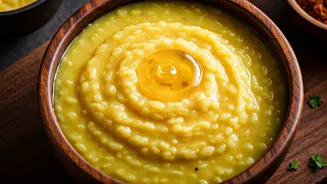
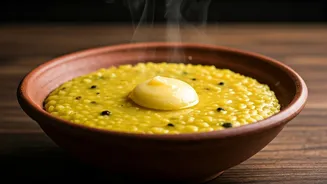
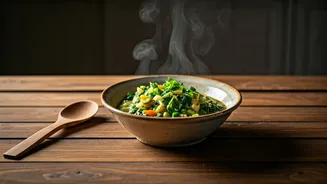
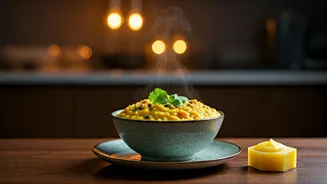
Dal khichdi is more than just a meal; it's a wholesome tradition. [22] A simple combination of rice and lentils, it’s celebrated for being light on the stomach, easy to digest, and deeply nourishing. [20, 21] Across India, it's the go-to dish for recovery,
for a light dinner after a period of indulgence, or for a rainy day when all you crave is simplicity. [20] But its simplicity is also a canvas. While a basic khichdi is satisfying, its true potential is unlocked with the final, flavourful flourish of a 'tadka' (tempering) and a generous dollop of ghee. [25, 32] And this is where the quality of your ghee makes all the difference.
What Makes A2 Ghee Special?
Not all ghee is created equal. The term 'A2' refers to the type of beta-casein protein found in the milk. [2] A2 ghee is made exclusively from the milk of indigenous Indian cow breeds like Gir and Sahiwal, which naturally produce this A2 protein. [5, 13] This is distinct from regular ghee, which is often produced from the milk of hybrid or foreign cow breeds containing A1 protein, a compound some people find harder to digest. [3, 17] The most authentic A2 ghee is prepared using the traditional 'bilona' method. [7] This process involves boiling the milk, fermenting it into curd, hand-churning the curd to separate butter (makhan), and then gently simmering the butter to clarify it into ghee. [9, 18] This slow, deliberate method is believed to preserve more nutrients and results in a product with a superior flavour and aroma. [9]
The Flavour and Aroma Upgrade for Your Khichdi
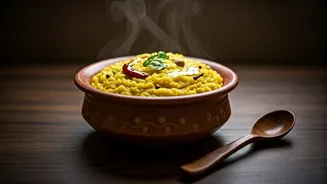
Using A2 ghee in your dal khichdi is a significant upgrade in taste and aroma. It has a distinctly rich, nutty flavour that mass-produced ghee often lacks. [14] This depth of flavour permeates the soft, mushy texture of the rice and dal, adding a layer of luxuriousness. Furthermore, A2 ghee has a high smoke point, around 250°C (482°F), which is higher than most cooking oils and even butter. [10, 24, 30] This makes it the perfect medium for a sizzling tadka. When you heat A2 ghee and add spices like cumin seeds, hing, and chillies, the ghee doesn't burn easily. [26] Instead, it perfectly blooms the spices, releasing their essential oils and creating an intensely aromatic tempering that becomes the soul of the khichdi. [25] A final spoonful stirred in just before serving completes the experience, making every bite richer and more satisfying.
More Than Just Taste: Nourishment and Digestion
Khichdi is prized for its digestive benefits, and A2 ghee complements this perfectly. A2 ghee is a rich source of butyric acid, a short-chain fatty acid that supports gut health and aids digestion. [1, 15] Since the traditional bilona process removes almost all lactose and casein, A2 ghee is often well-tolerated even by those with dairy sensitivities. [6, 7] It is also packed with fat-soluble vitamins like A, D, E, and K, which are essential for everything from immunity to bone health. [4, 12] When you add A2 ghee to your khichdi, you're not just enhancing the taste; you are also helping your body better absorb the nutrients from the meal itself. [10] This synergy between the easily digestible khichdi and the nourishing properties of A2 ghee elevates the dish into a truly holistic and healing meal, just as Ayurveda has prescribed for centuries. [12]
Choosing and Using A2 Ghee
When shopping for A2 ghee, look for transparency. Brands that are confident in their product will mention the cow breed (e.g., Gir), the preparation method ('bilona' or 'curd-churned'), and their sourcing practices. [7, 14] Authentic A2 ghee often has a slightly granular ('danedar') texture and a golden colour, which comes from the beta-carotene in the milk of grass-fed desi cows. [8, 14] To make your ultimate comfort khichdi, use A2 ghee in two stages. First, use it for the initial tempering of onions, ginger, and garlic. [22] Then, after the khichdi is cooked, prepare a final, sizzling tadka with more ghee, cumin seeds, and perhaps a dried red chilli, and pour it over the top just before serving. [28] Don't forget that final, generous spoonful to melt into the warm khichdi for an experience that is truly comforting and restorative.