



What Are Heirloom Grains?
Think of heirloom grains as the original, unadulterated versions of the staples we eat today. These are grains like specific varieties of wheat, rice, and millets that have been passed down through generations of farmers without being significantly altered.
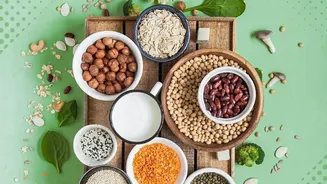
Unlike modern hybrids, which are often bred for high yields and uniformity, heirloom grains were selected for their flavour, nutritional value, and resilience to local conditions like droughts or floods. This category includes a vast diversity of cereals, from nutty Khapli wheat and fragrant black rice to a wide array of millets like jowar, bajra, and ragi.
The Grains Making a Grand Comeback
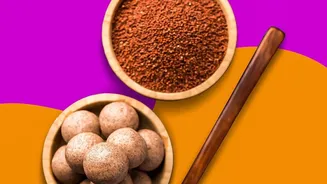
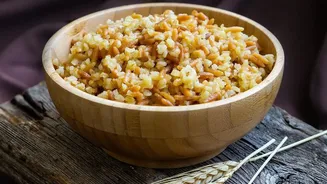
Several standout grains are leading this culinary revival. Khapli wheat (Emmer wheat), one of the first wheats cultivated by humans, is prized for its lower gluten content, high protein and fibre, and a distinctly nutty taste that elevates everything from rotis to panjiri. Then there’s Chak-hao, the aromatic black rice from Manipur, once called 'forbidden rice' because it was reserved for royalty. Its unique texture and beautiful deep purple colour when cooked make it a showstopper in kheers and salads. And we cannot forget the mighty millets—a group of small-seeded grains like foxtail, barnyard, and finger millet (ragi)—that are nutritional powerhouses, packed with calcium, iron, and fibre.
More Than Just a Simple Swap
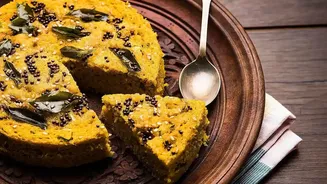
The magic of this trend lies in the fact that these grains aren't just being substituted one-for-one. Cooks are discovering that their unique properties reshape traditional recipes entirely. For instance, the inherent creaminess of foxtail millet can create a richer, more satisfying kheer without needing as much milk. The robust structure of Khapli wheat lends itself beautifully to dishes beyond rotis, including pastas, upma, and even fluffy idlis. Its higher fibre content also means it keeps you feeling full longer. This rediscovery is pushing cooks to experiment, resulting in modern takes like black rice dosas, millet tabbouleh, and jowar pancakes, proving the versatility of these ancient ingredients.
A Taste of Health and Heritage
The return to heirloom grains is driven by a desire for food that is both delicious and deeply nourishing. Many of these grains boast impressive health benefits. Millets, for example, have a lower glycemic index, making them a better option for managing blood sugar levels. They are also naturally gluten-free. Khapli wheat is often easier to digest than modern wheat for many people. Beyond personal health, choosing these grains supports biodiversity and the farmers who cultivate them. It’s a way of participating in a food system that values tradition and sustainability, reconnecting with a culinary heritage that was almost lost.
How Chefs and Home Cooks Are Leading the Charge
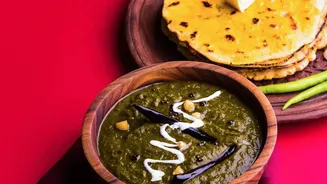
This movement is being championed from all corners, from celebrated chefs to everyday home cooks. Chefs like Ranveer Brar and the late Sabyasachi Gorai have been instrumental in popularising millets, incorporating them into innovative dishes that challenge the perception of these grains as 'old-fashioned'. Restaurants are curating menus around hyper-local, indigenous ingredients, telling the story of a region through its native grains. At the same time, social media is buzzing with home cooks sharing recipes and tips, inspired by a collective desire to eat better—not just for their health, but to feel a tangible connection to their roots.