

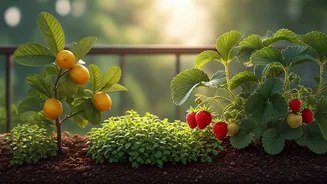
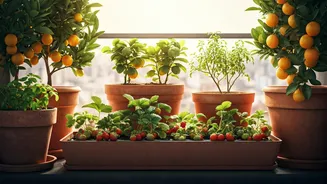



More Than Just a Hobby
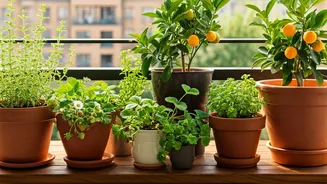
In cities across India, from Mumbai to Bengaluru, a quiet revolution is taking place on balconies and terraces. This isn't just about gardening; it's about a 'green flex'—a way of showcasing a lifestyle that values sustainability, wellness, and self-sufficiency.
Growing your own food has become a statement. It signals a connection to nature amidst the concrete jungle and a commitment to knowing exactly where your food comes from, free of chemicals and long supply chains. This trend is driven by a desire for healthier living, the therapeutic benefits of gardening, and the simple, profound pride of eating something you've nurtured from seed to fruit yourself. It’s a tangible, edible trophy of a greener way of life.
Your Balcony's Fruity Potential
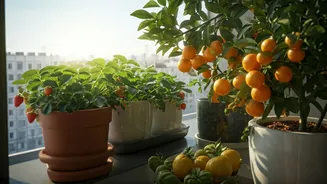
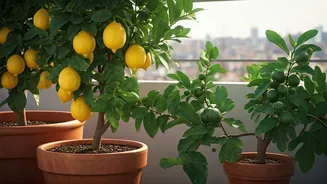
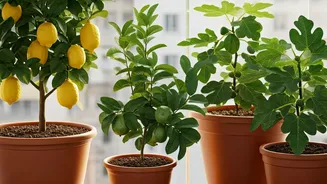
Before you start, assess your space. Most fruit-bearing plants need at least five to six hours of direct sunlight to thrive. A south or west-facing balcony is often ideal. The size of your containers is also crucial. While you don't need a huge garden, you do need pots that are deep and wide enough to support a healthy root system—think 18 to 24 inches for trees like guava or lemon. Thanks to dwarf and grafted varieties, you don't need a sprawling backyard to grow your favourite fruits. These compact versions are specifically bred for container life, allowing them to produce fruit without growing into massive trees.
Best Fruits for Indian Balconies
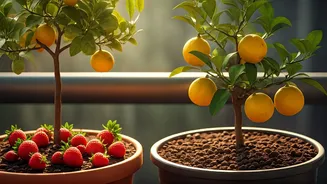
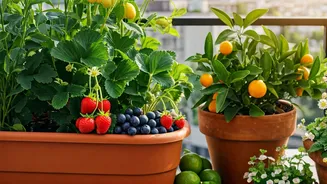
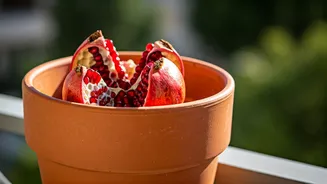
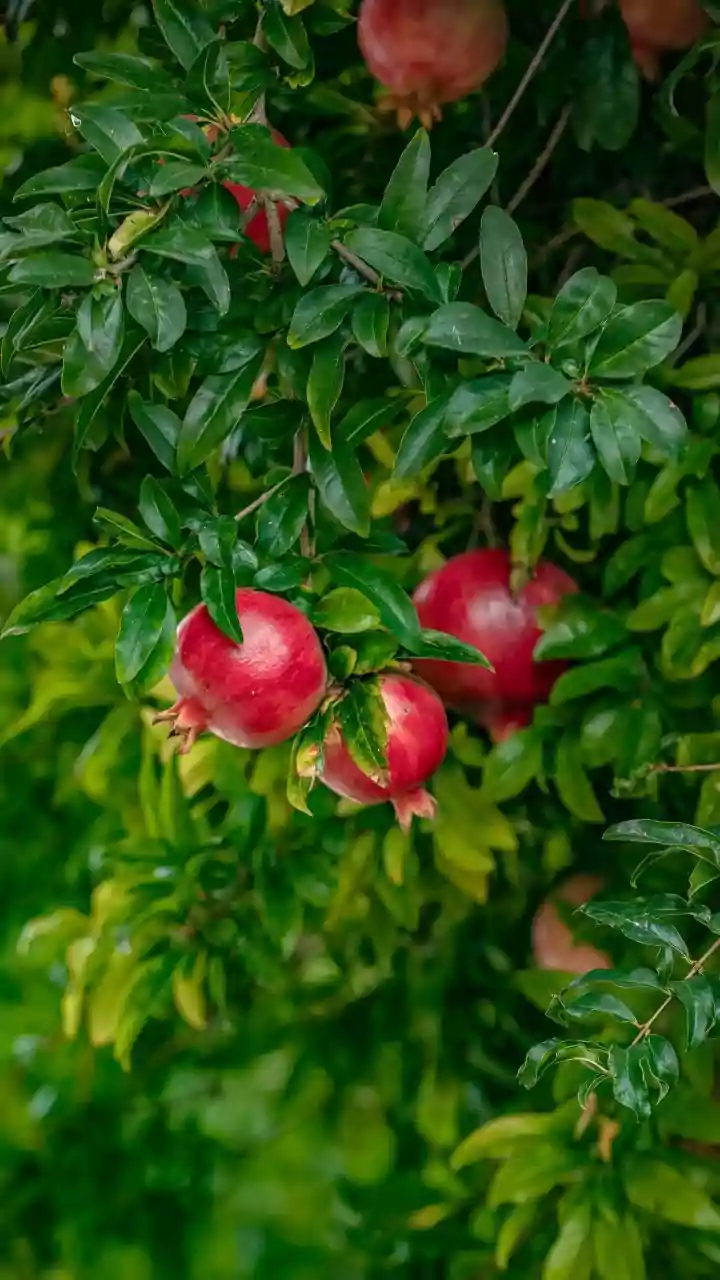
The key to success is choosing the right plant. For Indian climates, several fruits thrive in pots. Dwarf varieties of lemon, especially all-season types like Kagzi, are a fantastic start as they fruit year-round. Guava is another hardy and highly productive choice, with some varieties fruiting twice a year. Figs (Anjeer), pomegranates (Anar), and even dwarf mango varieties like Amrapali are surprisingly well-suited for large containers. For those looking for quicker results, strawberries are perfect for smaller pots or hanging baskets and can produce fruit within a few months. Other great options include chikoo (Sapota), starfruit (Kamrakh), and papaya.
The Essentials of Care
Container gardening has its own set of rules. Regular garden soil is often too heavy for pots and can lead to poor drainage. Instead, use a lightweight, well-draining potting mix, often composed of cocopeat, compost, and perlite. Plants in pots dry out faster than those in the ground, so consistent watering—especially during hot weather—is key. Check if the top inch of soil is dry before watering again to avoid root rot. Potted plants also exhaust their nutrients quickly. Feed them every few weeks during the growing season with an organic fertiliser like compost tea or a balanced liquid feed to encourage flowering and fruiting.
The Sweet Taste of Success
The reward of harvesting your first sun-ripened guava or juicy lemon is immense. The flavour of freshly picked fruit is unparalleled, as it's harvested at peak ripeness, retaining maximum nutrients and taste. Beyond the delicious produce, a balcony orchard offers numerous other benefits. It creates a mini-ecosystem that can attract pollinators like bees and butterflies, turning your small space into a biodiversity hub. The act of gardening itself is a known stress-reducer, offering a mindful escape from the hustle of daily life. It's a journey that teaches patience, resilience, and a deeper appreciation for the food on your plate.